seasoning10 recipes
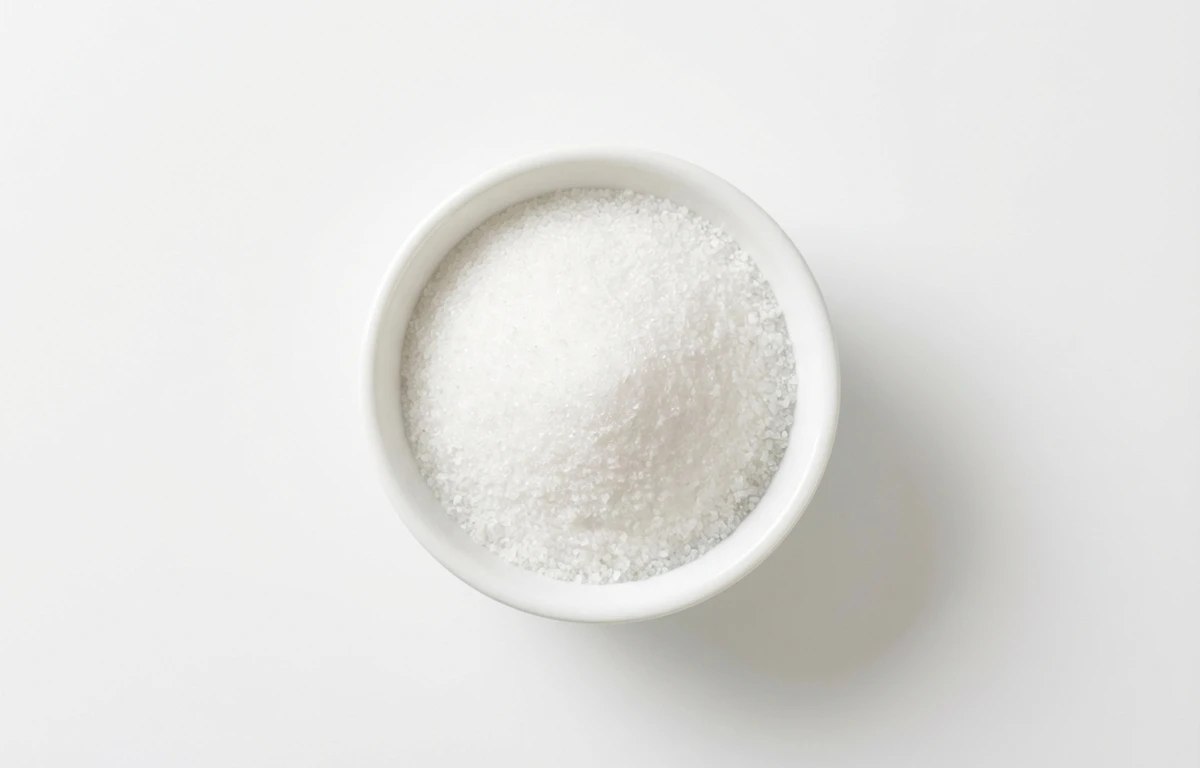
Low Sodium Salt.
VegetarianVeganGluten-freeDairy-freeNut-freePeanut-freeSoy-freeEgg-freeShellfish-freeHoney-freeAlcohol-free
SERVING
CALORIES
0
PROTEIN
0g
CARBS
0g
FAT
0g
FIBER
0g
NUTRITION PROFILE · per 100 g
Everything in this ingredient.
MACRONUTRIENTS
Calories0kcal—
Protein0g0%
Carbohydrates0g0%
Fiber0g0%
Sugar0g0%
Total fat0g0%
Saturated fat0g0%
Trans fat0g—
Cholesterol0mg0%
Water0g—
MINERALS
Sodium19500mg848%
Potassium26000mg553%
%DV based on a 2,000 cal diet. Source: USDA FoodData Central. A dash in the %DV column means there’s no established Daily Value for that nutrient.
MEASUREMENT CONVERSIONS
How much is what.
1 cup0.4g
1 tablespoon6.7g
1 teaspoon20g
1 oz3.5g
1 lb0.2g
1 ml83.3g
1 liter0.1g
HEALTH BENEFITS
Why eat it.
- ✓Helps reduce overall sodium intake
- ✓May support healthy blood pressure for some individuals
- ✓Provides potassium, an essential electrolyte
COOKING TIPS
In the kitchen.
- 1Use as a direct substitute for regular salt in most recipes.
- 2Adjust quantity to taste, as the flavor profile may differ slightly.
- 3Can be used in cooking, baking, and as a table seasoning.
STORAGE
Keep it fresh.
- Store in an airtight container to prevent clumping.
- Keep in a cool, dry place away from direct sunlight.
- Ensure lid is tightly sealed after each use.
FAQ
Frequently asked questions.
Is low sodium salt healthy?
Low sodium salt can be a healthier alternative to regular table salt because it helps reduce overall sodium intake, which is linked to lower blood pressure. It also provides potassium, an essential electrolyte that supports heart and muscle function.
What is low sodium salt made of?
Most low sodium salts are a blend of sodium chloride (regular salt) and potassium chloride. By replacing a portion of the sodium with potassium, the product provides a salty flavor with significantly less sodium per serving.
Is low sodium salt safe for everyone?
No, it is not safe for everyone. Individuals with kidney disease, heart conditions, or those taking specific medications (like ACE inhibitors or potassium-sparing diuretics) should consult a doctor before use, as the high potassium content can be dangerous for them.
Does low sodium salt taste the same as regular salt?
It tastes very similar to regular salt, but some people may notice a slightly metallic or bitter aftertaste, especially when used in large amounts. When used in cooked dishes, the flavor difference is usually unnoticeable.
Can I use low sodium salt for baking?
Yes, you can generally substitute low sodium salt for regular salt in a 1:1 ratio in baking. However, in recipes involving yeast or fermentation, the chemical difference may slightly alter the rising process or texture.
Is low sodium salt keto-friendly?
Yes, it is keto-friendly as it contains zero calories, carbs, and fats. It is often used by those on keto diets to help maintain electrolyte balance and prevent the 'keto flu' by providing necessary potassium.
How much sodium is actually in low sodium salt?
While regular table salt contains about 2,300mg of sodium per teaspoon, low sodium versions typically contain between 1,100mg and 1,500mg. This is usually a 33% to 50% reduction depending on the specific brand.
How should I store low sodium salt?
Store it just like regular salt: in a cool, dry place in an airtight container. Because it can be sensitive to humidity, keeping it sealed prevents clumping and ensures it remains easy to pour.
Is low sodium salt vegan and gluten-free?
Yes, low sodium salt is naturally vegan and gluten-free. It is composed of mineral salts and does not contain any animal-derived ingredients or grain-based fillers.
Can low sodium salt help with weight loss?
While it has zero calories and doesn't directly burn fat, it can help reduce water retention caused by high sodium intake. This may lead to a slight reduction in 'water weight' and bloating.
RECIPES
Cook with low sodium salt.
10 recipes · sorted by what’s quick