
Loading...
Also known as:
Per 100g
Nutrition data source: USDA FoodData Central
Common measurement equivalents in grams
Yes, it's generally considered a healthier alternative to regular table salt for most people. It helps reduce dietary sodium intake, which is beneficial for blood pressure management, and often provides potassium, an essential mineral.
The primary benefits include reducing overall sodium consumption, which can help manage high blood pressure. Many substitutes also provide potassium, which supports heart health, nerve function, and electrolyte balance in the body.
Low-sodium salt substitutes typically replace a significant portion, or all, of the sodium chloride with potassium chloride. This can reduce sodium content by 50% to 100% per serving compared to an equal amount of regular table salt.
No, low-sodium salt substitutes are mineral-based and contain no calories, carbohydrates, protein, or fat. They are simply a blend of salts, primarily potassium chloride, designed to mimic the taste of sodium chloride.
Low-sodium salt substitutes are generally vegan, gluten-free, and keto-friendly as they are mineral products. They do not contain animal products, gluten, or carbohydrates, making them suitable for most common dietary restrictions.
Yes, individuals with kidney disease, those taking certain medications (like ACE inhibitors, ARBs, or potassium-sparing diuretics), or anyone prone to high potassium levels (hyperkalemia) should consult a doctor before using potassium-based salt substitutes.
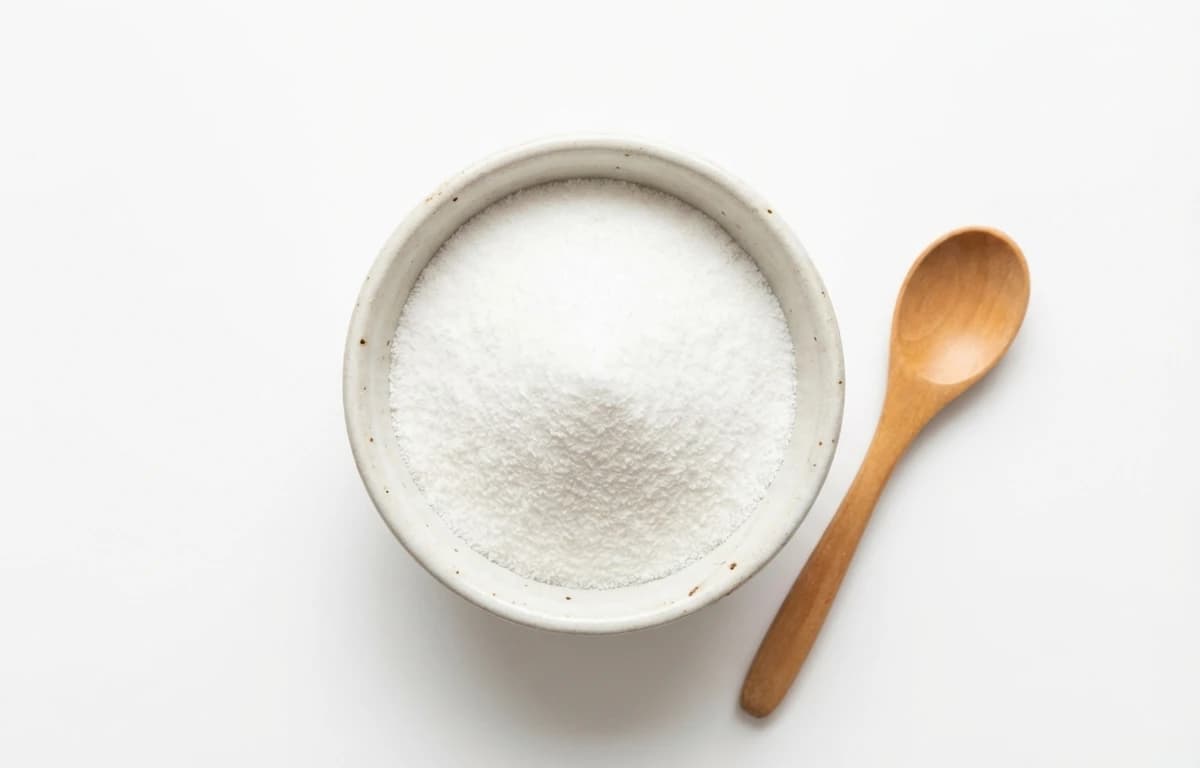
low-sodium salt substitute is a versatile ingredient found in cuisines around the world. With its calories per 100g and valuable grams of protein, it's a nutritious addition to many dishes.
Explore more ingredients in the mineral category with complete nutrition information.
View all mineral →Discover 0 recipes featuring low-sodium salt substitute with step-by-step instructions.
Browse recipes →It can be used as a direct substitute for regular salt in most cooking applications, including seasoning dishes, soups, and vegetables. Start with a smaller amount and adjust to taste, as its flavor profile can be slightly different.
While designed to mimic saltiness, many people find that low-sodium salt substitutes have a slightly different taste. Some describe it as less sharp, slightly metallic, or with a subtle bitter aftertaste, especially when used in large quantities.
Store low-sodium salt substitute in a cool, dry place, similar to regular salt, to prevent clumping from moisture. When stored properly, it has an indefinite shelf life, though it's best to check the "best by" date if one is provided.
Most low-sodium salt substitutes primarily consist of potassium chloride, which provides a salty taste without the sodium. Some blends may also include small amounts of other ingredients like magnesium sulfate, calcium chloride, or flavor enhancers.