
Condiment2 recipes
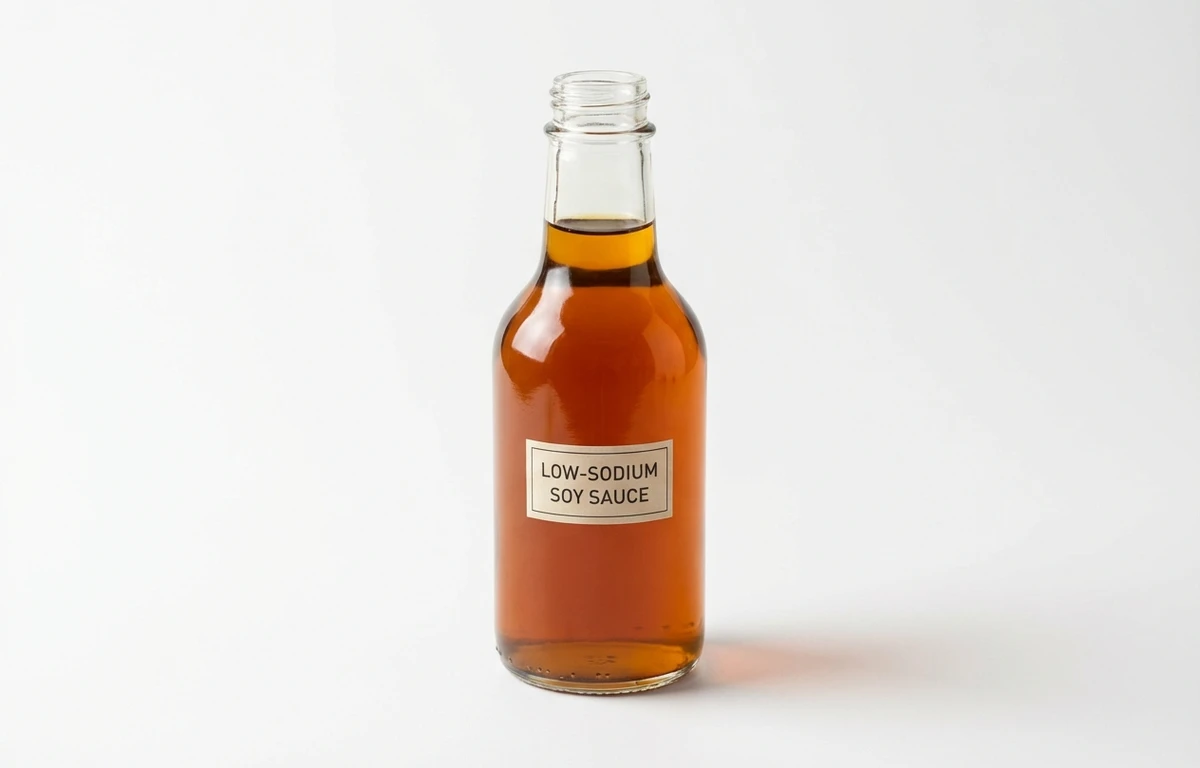
low sodium soy sauce.
VegetarianVeganGluten-freeDairy-freeNut-freePeanut-freeSoy-freeEgg-freeShellfish-freeHoney-freeAlcohol-freeFermented
ALSO KNOWN AS
lite soy sauceshoyu low sodiumlow-sodium soy saucelow sodium soyreduced sodium soy sauceless sodium soy saucelow salt soy saucelow sodium shoyulight soy sauce low sodium
SERVING
CALORIES
53
PROTEIN
5.1g
CARBS
5.9g
FAT
0.10g
FIBER
0g
NUTRITION PROFILE · per 100 g
Everything in this ingredient.
MACRONUTRIENTS
Calories53kcal—
Protein5.1g10%
Carbohydrates5.9g2%
Fiber0g0%
Sugar3.5g7%
Total fat0.10g0%
Saturated fat0g0%
Trans fat0g—
Cholesterol0mg0%
Water75g—
MINERALS
Sodium3650mg159%
Potassium320mg7%
Calcium20mg2%
Iron1.2mg7%
Magnesium35mg8%
Phosphorus130mg10%
Zinc0.40mg4%
Copper0.10mg11%
Manganese0.40mg17%
Selenium0.80µg1%
VITAMINS
Vitamin A0µg0%
Vitamin C0mg0%
Vitamin D0µg0%
Vitamin E0mg0%
Vitamin K0µg0%
Thiamin (B1)0.04mg3%
Riboflavin (B2)0.12mg9%
Niacin (B3)3.2mg20%
Pantothenic acid (B5)0.30mg6%
Vitamin B60.15mg9%
Folate (B9)14µg4%
Vitamin B120µg0%
%DV based on a 2,000 cal diet. Source: USDA FoodData Central. A dash in the %DV column means there’s no established Daily Value for that nutrient.
MEASUREMENT CONVERSIONS
How much is what.
1 cup275g
1 tablespoon17.2g
1 teaspoon5.7g
1 oz28.4g
1 lb453.6g
1 ml1.2g
1 liter1150g
HEALTH BENEFITS
Why eat it.
- ✓Lower sodium alternative to regular soy sauce
- ✓Rich in umami flavor which can reduce the need for added salt
- ✓Contains small amounts of essential minerals like manganese
- ✓Provides antioxidants from the fermentation process
- ✓Source of plant-based amino acids
COOKING TIPS
In the kitchen.
- 1Add toward the end of cooking to preserve its delicate fermented aroma
- 2Use as a base for marinades to tenderize meats and vegetables
- 3Balance its saltiness with an acid like lime juice or rice vinegar
STORAGE
Keep it fresh.
- Store in a cool, dark place away from direct sunlight
- Refrigerate after opening to maintain peak flavor and freshness
- Ensure the cap is tightly sealed to prevent oxidation
FAQ
Frequently asked questions.
How long does low sodium soy sauce last after opening?
Once opened, it is best used within 6 to 12 months if kept refrigerated. While it doesn't 'spoil' easily due to salt content, the flavor and color will degrade over time.
Is low sodium soy sauce gluten-free?
Generally, no. Most soy sauces are brewed with wheat. For a gluten-free alternative, look for 'Tamari' specifically labeled gluten-free.
What is the best substitute for low sodium soy sauce?
Coconut aminos is the best soy-free and lower-sodium substitute. Tamari or liquid aminos are also good alternatives, though their sodium levels vary.
How is the sodium reduced in this product?
It is typically brewed the same way as regular soy sauce, but the salt is removed after the fermentation process using a physical filtration method.
Can I use low sodium soy sauce for sushi?
Yes, it is an excellent choice for dipping sushi as it provides the necessary umami without overpowering the delicate fish with salt.
Does it need to be refrigerated?
While shelf-stable, refrigeration is highly recommended for low sodium varieties because they have less salt (a preservative) than regular soy sauce, making them more prone to flavor changes.
How can I tell if soy sauce has gone bad?
If you notice an off-smell, mold growth around the cap, or a significant change in thickness, it should be discarded. A darkening in color is normal oxidation.
Is it suitable for a Jain diet?
Yes, standard soy sauce does not contain root vegetables like onion or garlic, making it suitable for most Jain dietary patterns.
Can I freeze soy sauce?
Freezing is not recommended. Due to the high salt content, it has a very low freezing point and the texture/flavor may be affected upon thawing.
RECIPES
Cook with low sodium soy sauce.
2 recipes · sorted by what’s quick



















