
Dairy
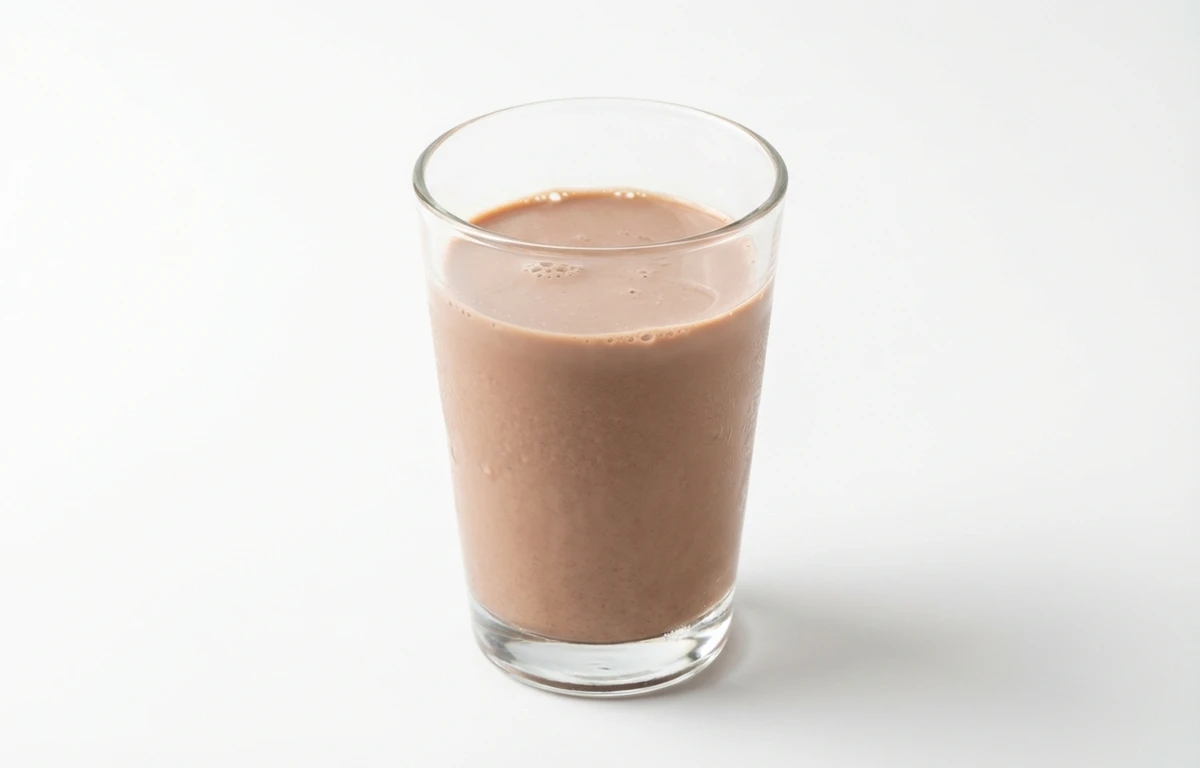
lowfat chocolate milk.
VegetarianVeganGluten-freeDairy-freeNut-freePeanut-freeEgg-freeShellfish-freeHoney-freeAlcohol-free
SERVING
CALORIES
64
PROTEIN
3.5g
CARBS
10.2g
FAT
1.1g
FIBER
0.10g
NUTRITION PROFILE · per 100 g
Everything in this ingredient.
MACRONUTRIENTS
Calories64kcal—
Protein3.5g7%
Carbohydrates10.2g4%
Fiber0.10g0%
Sugar9.9g20%
Total fat1.1g1%
Saturated fat0.62g3%
Cholesterol5.0mg2%
Water84.5g—
MINERALS
Sodium65mg3%
Potassium172mg4%
Calcium129mg10%
Iron0.23mg1%
Magnesium13mg3%
Phosphorus96mg8%
Zinc0.43mg4%
Copper0.03mg3%
Manganese0.03mg1%
Selenium1.9µg3%
VITAMINS
Vitamin A52µg6%
Vitamin C0.40mg0%
Vitamin D1.1µg6%
Vitamin E0mg0%
Vitamin K0.10µg0%
Thiamin (B1)0.03mg3%
Riboflavin (B2)0.25mg19%
Niacin (B3)0.12mg1%
Pantothenic acid (B5)0.43mg9%
Vitamin B60.05mg3%
Folate (B9)3.0µg1%
Vitamin B120.23µg10%
%DV based on a 2,000 cal diet. Source: USDA FoodData Central. A dash in the %DV column means there’s no established Daily Value for that nutrient.
MEASUREMENT CONVERSIONS
How much is what.
1 cup250g
1 tablespoon15.6g
1 teaspoon5.2g
1 ml1g
1 liter1041.7g
HEALTH BENEFITS
Why eat it.
- ✓Excellent for post-workout recovery due to its ideal carbohydrate-to-protein ratio for replenishing glycogen and repairing muscle.
- ✓Rich in calcium and often fortified with Vitamin D, promoting strong bone health and reducing the risk of osteoporosis.
- ✓Provides high-quality complete protein (casein and whey) essential for muscle growth, repair, and overall body function.
- ✓Aids in hydration by providing fluids and electrolytes like potassium and sodium.
COOKING TIPS
In the kitchen.
- 1Gently heat on the stove over low-medium heat for hot chocolate; avoid boiling, as it can cause the milk to curdle and scorch.
- 2Use as a flavorful liquid base for smoothies, milkshakes, or protein shakes, blending well with bananas, peanut butter, or berries.
- 3Incorporate into recipes for pancakes, waffles, or puddings to add moisture, richness, and a mild chocolate flavor.
- 4Freeze in ice cube trays to add to iced coffee or smoothies without watering them down.
STORAGE
Keep it fresh.
- Refrigerate immediately at or below 40°F (4°C) and keep the container sealed tightly to maintain freshness.
- Consume within 5-7 days after opening, regardless of the printed expiration date, as quality degrades quickly.
FAQ
Frequently asked questions.
Is lowfat chocolate milk healthy?
Lowfat chocolate milk can be a healthy part of a balanced diet, especially for active individuals. It provides essential nutrients like calcium, Vitamin D, and high-quality protein. However, it does contain added sugars, so moderation is key to avoid excessive sugar intake.
What are the nutritional benefits of lowfat chocolate milk?
Lowfat chocolate milk is rich in calcium and often fortified with Vitamin D, both crucial for strong bones. It also provides high-quality complete protein (casein and whey) for muscle repair and growth, and electrolytes like potassium and sodium for hydration.
Is lowfat chocolate milk good for post-workout recovery?
Yes, lowfat chocolate milk is excellent for post-workout recovery. Its ideal carbohydrate-to-protein ratio helps replenish muscle glycogen stores and repair muscle tissue efficiently. The fluid and electrolytes also aid in rehydration after exercise.
How many calories, protein, and carbs are in lowfat chocolate milk?
Per 100g, lowfat chocolate milk contains approximately 64 calories, 3.46g of protein, 10.15g of carbohydrates (including sugars), and 1.11g of fat. These values can vary slightly by brand.
Is lowfat chocolate milk suitable for individuals with lactose intolerance?
Traditional lowfat chocolate milk contains lactose, so it is generally not suitable for individuals with lactose intolerance. However, many brands offer lactose-free versions of chocolate milk, which are a good alternative.
Is lowfat chocolate milk vegan?
No, lowfat chocolate milk is not vegan. It is a dairy product made from cow's milk. For a vegan alternative, look for plant-based chocolate milks made from almond, soy, oat, or other non-dairy bases.
Can diabetics drink lowfat chocolate milk?
Diabetics should consume lowfat chocolate milk with caution due to its sugar content, which can impact blood glucose levels. It's best to consult with a healthcare professional or registered dietitian, and consider sugar-free or unsweetened alternatives if available.
How should lowfat chocolate milk be stored, and how long does it last?
Lowfat chocolate milk should always be stored in the refrigerator at 40°F (4°C) or below. Once opened, it typically lasts for about 5-7 days, similar to regular milk. Always check the 'best by' date on the packaging.
Can lowfat chocolate milk be frozen?
Yes, lowfat chocolate milk can be frozen, but its texture may change upon thawing. It might separate or become slightly grainy. It's best used in smoothies or recipes after thawing rather than drinking it plain for optimal enjoyment.
Can lowfat chocolate milk be used in recipes or heated?
Yes, lowfat chocolate milk can be used in various recipes, such as smoothies, hot chocolate, or even in baking for a chocolatey flavor. It can also be gently heated on the stovetop or in the microwave, but avoid boiling to prevent scorching or curdling.



















