
Loading...
Per 100g
Nutrition data source: USDA FoodData Central
Common measurement equivalents in grams
Yes, lowfat cottage cheese is very healthy. It's an excellent source of high-quality protein, particularly casein, which aids muscle repair and satiety. It also provides essential minerals like calcium and phosphorus for bone health, along with vitamins like B12 and riboflavin.
100g of lowfat cottage cheese contains approximately 12.4g of protein. This makes it a highly effective food for meeting daily protein requirements, supporting muscle maintenance and growth.
Yes, lowfat cottage cheese is excellent for weight loss. Its high protein content, especially casein, promotes satiety, helping you feel full longer and reducing overall calorie intake. It's also relatively low in calories and fat, making it a smart choice for calorie-controlled diets.
No, lowfat cottage cheese is not lactose-free, as it is a dairy product. However, the fermentation process reduces some of the lactose content compared to milk, so some individuals with mild lactose intolerance might tolerate it better.
Lowfat cottage cheese can be included in a keto diet in moderation, but it's not strictly low-carb. With approximately 2.7g of carbs per 100g, it's higher than some other dairy products like hard cheeses. Always check the specific brand's carb count and factor it into your daily carb limit.
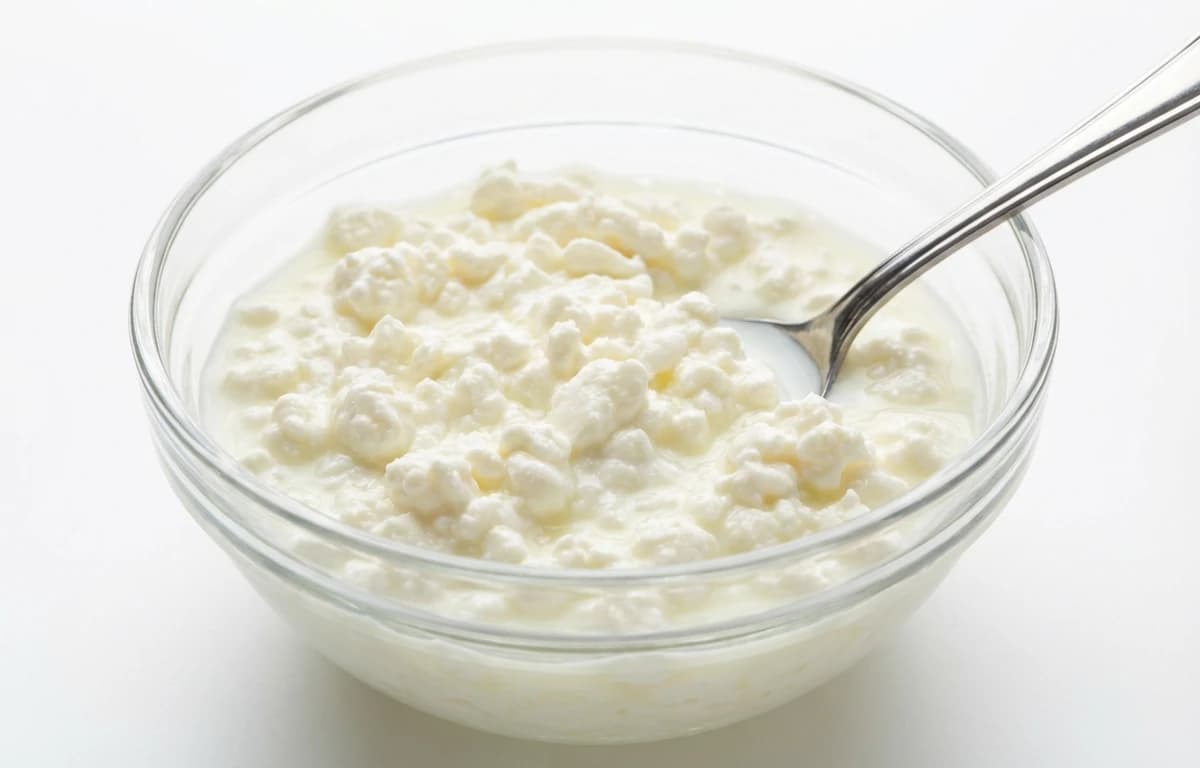
Lowfat cottage cheese has a mild, slightly tangy flavor with a lumpy, creamy texture. It's versatile and can be enjoyed plain, with fruit, nuts, or granola for a snack. It also works well in savory dishes like salads, as a spread, or mixed into scrambled eggs.
lowfat cottage cheese is a versatile ingredient found in cuisines around the world. With 72 calories per 100g and 12.4 grams of protein, it's a nutritious addition to many dishes.
Explore more ingredients in the dairy category with complete nutrition information.
View all dairy →Discover 0 recipes featuring lowfat cottage cheese with step-by-step instructions.
Browse recipes →Yes, you can cook with lowfat cottage cheese. It can be blended into smoothies, used as a creamy base for sauces, added to lasagna or casseroles, or even baked into pancakes and muffins for added protein and moisture.
Store lowfat cottage cheese in its original sealed container in the refrigerator at 34-38°F (1-3°C). Once opened, it typically lasts for about 5-7 days, but always check the 'best by' date on the packaging.
While you can freeze lowfat cottage cheese, its texture will change significantly upon thawing, becoming more watery and grainy. It's generally not recommended for eating plain after freezing, but it can still be used in cooked dishes where texture is less critical, like casseroles or baked goods.
Yes, lowfat cottage cheese can be a good option for diabetics due to its high protein content and relatively low glycemic index. The protein helps stabilize blood sugar levels. However, always choose plain, unsweetened varieties and monitor portion sizes, as carb counts can vary slightly between brands.