
Dairy
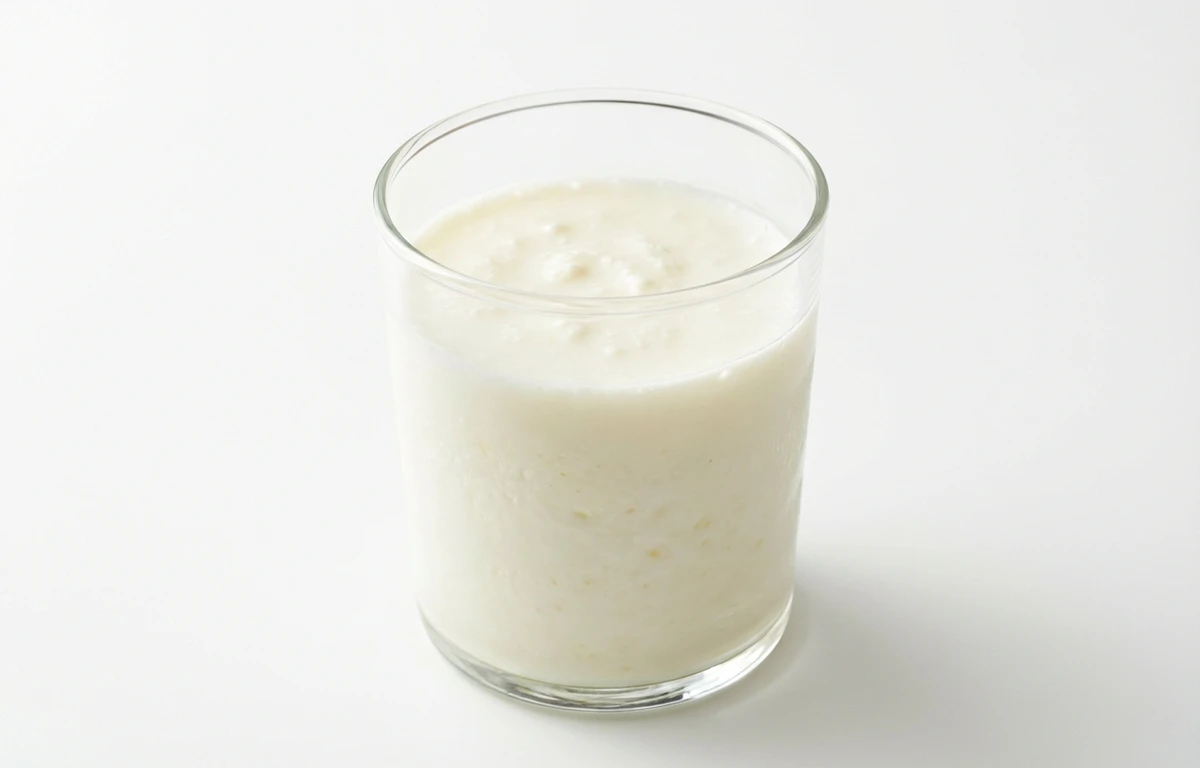
lowfat cultured buttermilk.
VegetarianVeganGluten-freeDairy-freeNut-freePeanut-freeSoy-freeEgg-freeShellfish-freeHoney-freeAlcohol-freeFermented
ALSO KNOWN AS
lowfat buttermilk
SERVING
CALORIES
40
PROTEIN
3.3g
CARBS
4.8g
FAT
1.1g
FIBER
0g
NUTRITION PROFILE · per 100 g
Everything in this ingredient.
MACRONUTRIENTS
Calories40kcal—
Protein3.3g7%
Carbohydrates4.8g2%
Fiber0g0%
Sugar5.4g11%
Total fat1.1g1%
Saturated fat0.66g3%
Cholesterol4.0mg1%
Water90.1g—
MINERALS
Sodium148mg6%
Potassium151mg3%
Calcium116mg9%
Iron0.05mg0%
Magnesium11mg3%
Phosphorus89mg7%
Zinc0.42mg4%
Copper0.01mg1%
Manganese0mg0%
Selenium2.0µg4%
VITAMINS
Vitamin A14µg2%
Vitamin C1.0mg1%
Vitamin D0µg0%
Vitamin E0.05mg0%
Vitamin K0.10µg0%
Thiamin (B1)0.03mg3%
Riboflavin (B2)0.15mg12%
Niacin (B3)0.06mg0%
Pantothenic acid (B5)0.28mg6%
Vitamin B60.03mg2%
Folate (B9)5.0µg1%
Vitamin B120.22µg9%
%DV based on a 2,000 cal diet. Source: USDA FoodData Central. A dash in the %DV column means there’s no established Daily Value for that nutrient.
MEASUREMENT CONVERSIONS
How much is what.
1 cup245g
1 tablespoon15.3g
1 teaspoon5.1g
1 ml1g
1 liter1020.8g
HEALTH BENEFITS
Why eat it.
- ✓A good source of probiotics (live cultures) which support digestive health and a balanced gut microbiome.
- ✓Rich in calcium and phosphorus, essential minerals for building and maintaining strong bones and teeth.
- ✓Provides high-quality protein necessary for muscle repair, growth, and overall body function.
- ✓The fermentation process can make it easier to digest for individuals with mild lactose intolerance as some lactose is converted to lactic acid.
COOKING TIPS
In the kitchen.
- 1Use as a tenderizing marinade for poultry and pork; the acidity helps break down proteins, resulting in more succulent meat.
- 2In baking, its acidity activates baking soda, creating carbon dioxide gas that results in a light, tender crumb in biscuits, pancakes, and cakes.
- 3Create creamy and tangy salad dressings, like ranch or green goddess, by using it as a base instead of mayonnaise or cream.
- 4To prevent curdling when adding to hot dishes like soups or sauces, temper it by slowly whisking a small amount of the hot liquid into the buttermilk before incorporating it into the pot.
STORAGE
Keep it fresh.
- Always keep refrigerated at or below 40°F (4°C) to maintain freshness and prevent spoilage.
- Once opened, consume within 5-7 days for best quality and flavor.
- Buttermilk can be frozen in ice cube trays for up to 3 months; thaw before using in baked goods, though texture may separate.
FAQ
Frequently asked questions.
Is lowfat cultured buttermilk healthy?
Yes, lowfat cultured buttermilk is quite healthy. It's a good source of probiotics, which support gut health and digestion. It also provides essential nutrients like calcium, phosphorus, and high-quality protein, all while being low in fat and calories.
What are the nutritional values of lowfat cultured buttermilk?
Per 100g, lowfat cultured buttermilk contains approximately 40 calories, 3.31g of protein, 4.79g of carbohydrates, and 1.07g of fat. It's also rich in calcium and phosphorus, contributing to bone health.
Is lowfat cultured buttermilk good for weight loss?
Yes, it can be beneficial for weight loss. Being low in calories and fat, yet high in protein, it can help you feel full and satisfied, reducing overall calorie intake. The protein also supports muscle maintenance during weight loss.
Is lowfat cultured buttermilk suitable for people with lactose intolerance?
For individuals with mild lactose intolerance, lowfat cultured buttermilk may be easier to digest than regular milk. The fermentation process converts some of the lactose into lactic acid, reducing the lactose content. However, it is not completely lactose-free.
Is lowfat cultured buttermilk vegan or dairy-free?
No, lowfat cultured buttermilk is not vegan or dairy-free. It is a dairy product made from cow's milk, specifically the liquid left after churning butter, which is then cultured with beneficial bacteria.
What does lowfat cultured buttermilk taste like and how is it used in cooking?
Lowfat cultured buttermilk has a distinct tangy, slightly sour, and creamy taste, thicker than regular milk. It's widely used in baking for tenderizing and leavening (e.g., pancakes, biscuits), in marinades for tenderizing meats, and in dressings or smoothies for a zesty flavor.
How do you store lowfat cultured buttermilk and how long does it last?
Lowfat cultured buttermilk should always be stored in the refrigerator at 40°F (4°C) or below. Once opened, it typically lasts for about 7-10 days, though an unopened carton can last until the "best by" date printed on the package.
Can I freeze lowfat cultured buttermilk?
Yes, you can freeze lowfat cultured buttermilk, but its texture may change upon thawing, becoming slightly grainy or separated. It's best used in cooked or baked recipes after thawing rather than for drinking or in applications where a smooth texture is crucial.
What can I use as a substitute for lowfat cultured buttermilk in recipes?
A common substitute is to add 1 tablespoon of lemon juice or white vinegar to a measuring cup, then fill the rest with lowfat milk to make 1 cup, letting it sit for 5-10 minutes. Plain yogurt or kefir can also be used as a direct substitute in many recipes.
Is lowfat cultured buttermilk keto-friendly?
Lowfat cultured buttermilk is not typically considered strictly keto-friendly due to its carbohydrate content (4.79g per 100g). While lower than some dairy products, these carbs can quickly add up, making it difficult to stay within strict daily carb limits on a ketogenic diet.



















