
Dairy
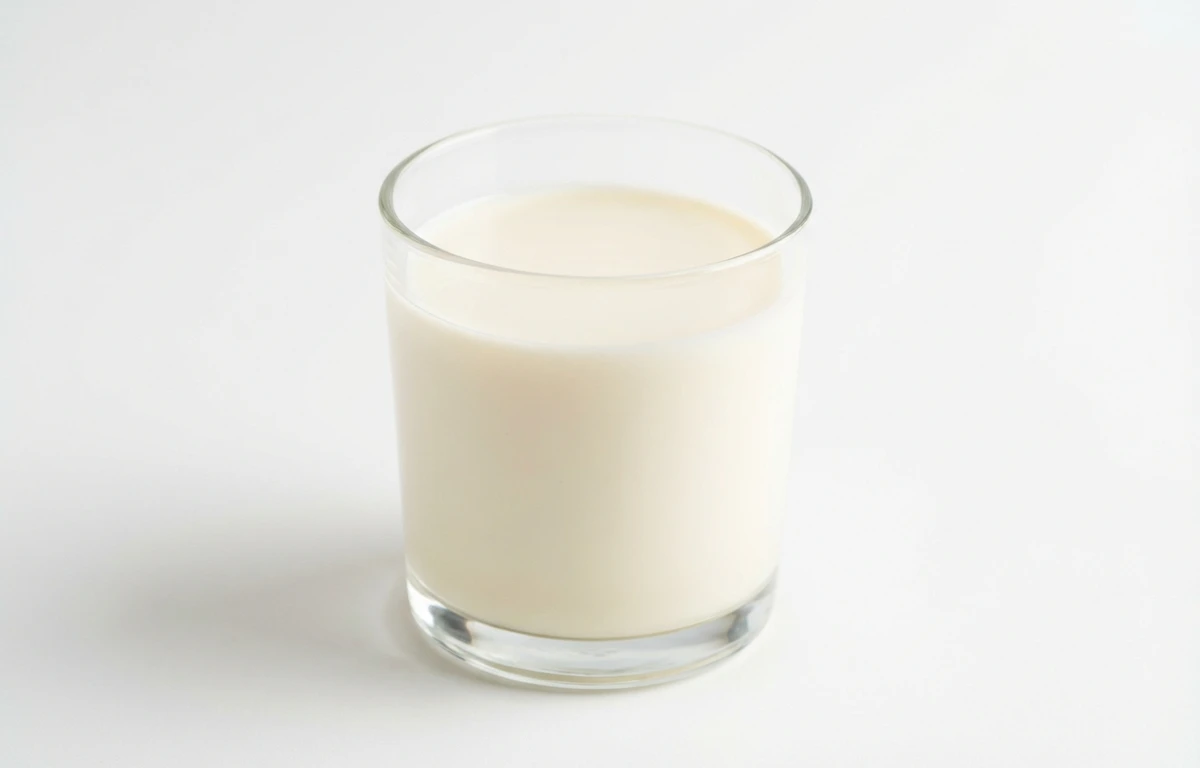
lowfat half and half.
VegetarianVeganGluten-freeDairy-freeNut-freePeanut-freeSoy-freeEgg-freeShellfish-freeHoney-freeAlcohol-free
ALSO KNOWN AS
low-fat half and half
SERVING
CALORIES
72
PROTEIN
3.3g
CARBS
3.3g
FAT
5.0g
FIBER
0g
NUTRITION PROFILE · per 100 g
Everything in this ingredient.
MACRONUTRIENTS
Calories72kcal—
Protein3.3g7%
Carbohydrates3.3g1%
Fiber0g0%
Sugar3.3g7%
Total fat5.0g6%
Saturated fat3.3g16%
Trans fat0g—
Cholesterol17mg6%
Water87.8g—
MINERALS
Sodium50mg2%
Potassium132mg3%
Calcium133mg10%
Iron0mg0%
Magnesium10mg2%
Phosphorus95mg8%
Zinc0.39mg4%
Copper0.01mg1%
Selenium3.2µg6%
VITAMINS
Vitamin A47µg5%
Vitamin C0mg0%
Vitamin D0µg0%
Vitamin E0.12mg1%
Vitamin K0.60µg1%
Thiamin (B1)0.03mg3%
Riboflavin (B2)0.19mg15%
Niacin (B3)0.11mg1%
Vitamin B60.05mg3%
Folate (B9)3.0µg1%
Vitamin B120.19µg8%
%DV based on a 2,000 cal diet. Source: USDA FoodData Central. A dash in the %DV column means there’s no established Daily Value for that nutrient.
MEASUREMENT CONVERSIONS
How much is what.
1 cup244.8g
1 tablespoon15.3g
1 teaspoon5.1g
1 ml1g
1 liter1020g
HEALTH BENEFITS
Why eat it.
- ✓Provides calcium and is often fortified with Vitamin D, both crucial for bone health.
- ✓Offers complete protein (casein and whey) necessary for muscle maintenance and repair.
- ✓A lower-calorie and lower-fat alternative to heavy cream or regular half and half, aiding in calorie management.
- ✓Contains Vitamin A, which supports vision health and immune function.
COOKING TIPS
In the kitchen.
- 1To prevent curdling when adding to hot liquids like soups or sauces, temper it by slowly whisking a small amount of the hot liquid into the half and half before incorporating it into the pot.
- 2Use as a lighter creamer in coffee or tea, or to add richness to scrambled eggs and mashed potatoes without the high fat of heavy cream.
- 3Due to its lower fat content (typically around 10-12%), it will not whip into stiff peaks like heavy cream.
- 4Be aware that lowfat versions may contain thickeners like carrageenan or corn starch, which can affect the final texture of some dishes.
STORAGE
Keep it fresh.
- Keep refrigerated at or below 40°F (4°C) and store in the main compartment of the refrigerator, not the door, for a more stable temperature.
- Once opened, consume within 7-10 days for optimal freshness and safety, regardless of the printed expiration date.
FAQ
Frequently asked questions.
Is lowfat half and half healthy?
Yes, lowfat half and half can be a healthy choice in moderation. It provides essential nutrients like calcium, vitamin D (if fortified), and complete protein, which are beneficial for bone health and muscle maintenance. Its lower fat and calorie content make it a lighter alternative to regular cream products.
How does lowfat half and half compare nutritionally to regular half and half or heavy cream?
Lowfat half and half contains significantly less fat and calories than regular half and half or heavy cream. For example, 100g of lowfat half and half has 5g fat and 72 calories, whereas regular half and half has around 10g fat and 120 calories, and heavy cream has over 35g fat and 350 calories. It offers a similar protein and carbohydrate profile but with reduced fat.
Is lowfat half and half good for weight management?
Yes, lowfat half and half can be a good option for weight management due to its reduced calorie and fat content compared to full-fat dairy creams. By choosing it over heavier creams, you can significantly lower your caloric intake in beverages and recipes without sacrificing creaminess. Portion control is still key for any food item.
Is lowfat half and half vegan or dairy-free?
No, lowfat half and half is not vegan or dairy-free. It is a dairy product made from a blend of milk and cream, meaning it contains animal-derived ingredients. For vegan or dairy-free alternatives, look for plant-based creamers made from ingredients like almond, soy, or oat milk.
Is lowfat half and half lactose-free?
No, standard lowfat half and half is not lactose-free as it is made from cow's milk and cream, which naturally contain lactose. However, some brands offer lactose-free versions of half and half, which are treated with lactase enzyme to break down the lactose. Always check the product label if you have lactose intolerance.
Can lowfat half and half be used in hot beverages like coffee without curdling?
Lowfat half and half can sometimes curdle in very hot or acidic coffee due to its lower fat content and higher protein-to-fat ratio compared to heavier creams. To minimize curdling, allow your coffee to cool slightly before adding the half and half, or warm the half and half gently before mixing.
Can lowfat half and half be used for cooking and baking?
Yes, lowfat half and half can be used in many cooking and baking applications as a lighter alternative to regular half and half or heavy cream. It works well in sauces, soups, and some desserts, adding richness without excessive fat. However, it may not whip like heavy cream and might curdle if boiled vigorously or used in highly acidic dishes.
How should lowfat half and half be stored, and how long does it last?
Lowfat half and half should always be stored in the refrigerator at 40°F (4°C) or below. Unopened, it typically lasts until the "best by" date printed on the carton. Once opened, it should be consumed within 7-10 days for optimal freshness and safety.
Can you freeze lowfat half and half?
While you can technically freeze lowfat half and half, it's generally not recommended for culinary quality. Freezing can cause the fat and milk solids to separate, resulting in a grainy or watery texture when thawed. It might still be suitable for cooking or baking where texture is less critical, but not ideal for coffee or direct consumption.
Is lowfat half and half suitable for people with diabetes?
Lowfat half and half contains a moderate amount of carbohydrates (around 3.33g per 100g), primarily from lactose. It can be suitable for people with diabetes in moderation as part of a balanced diet, but portion sizes should be monitored to manage carbohydrate intake. Always consult with a healthcare professional or registered dietitian for personalized dietary advice.



















