
Other8 recipes
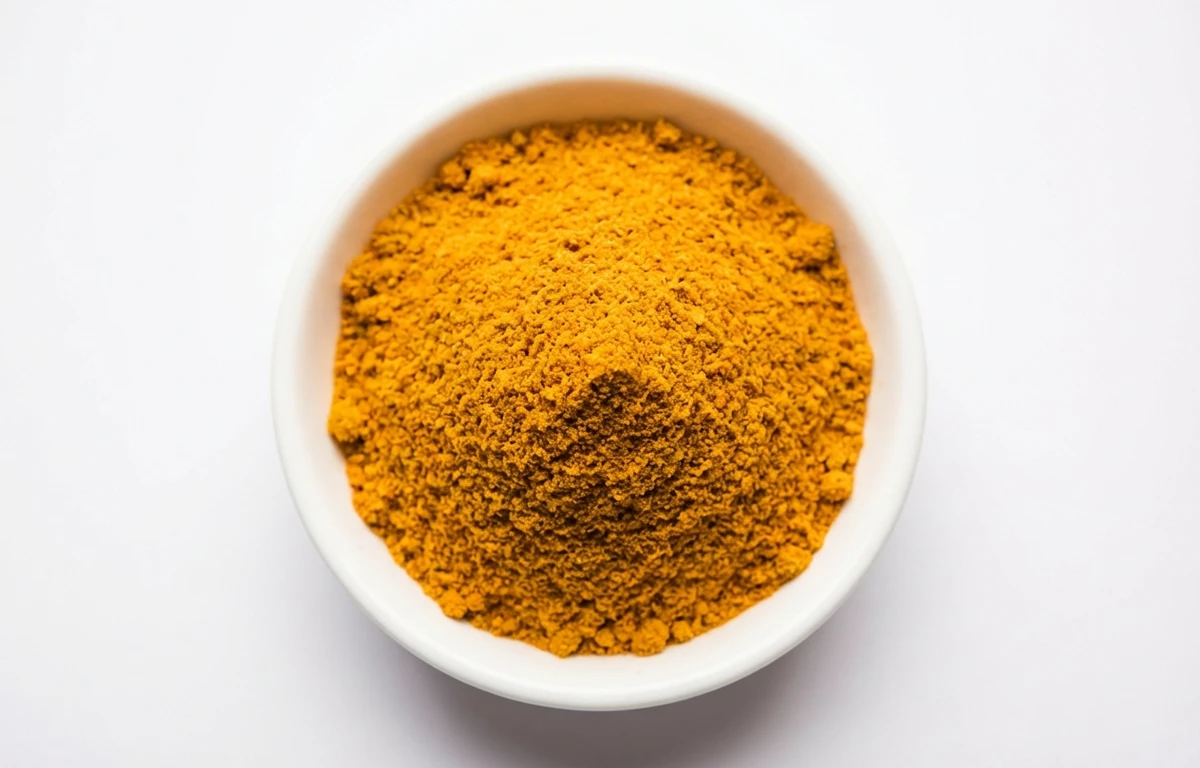
mace powder.
VegetarianVeganGluten-freeDairy-freeNut-freePeanut-freeSoy-freeEgg-freeShellfish-freeHoney-freeAlcohol-free
ALSO KNOWN AS
ground macejavitri powderjavantri powderground javitridried mace powderpowdered macemace powder
SERVING
CALORIES
475
PROTEIN
6.7g
CARBS
50.5g
FAT
32.4g
FIBER
20.2g
NUTRITION PROFILE · per 100 g
Everything in this ingredient.
MACRONUTRIENTS
Calories475kcal—
Protein6.7g13%
Carbohydrates50.5g18%
Fiber20.2g72%
Total fat32.4g42%
Saturated fat9.5g48%
Trans fat0g—
Cholesterol0mg0%
Water8.2g—
MINERALS
Sodium80mg3%
Potassium463mg10%
Calcium252mg19%
Iron13.9mg77%
Magnesium163mg39%
Phosphorus110mg9%
Zinc2.1mg19%
Copper2.5mg278%
Manganese1.5mg65%
Selenium2.7µg5%
VITAMINS
Vitamin A40µg4%
Vitamin C21mg23%
Vitamin D0µg0%
Vitamin E0mg0%
Vitamin K0µg0%
Thiamin (B1)0.31mg26%
Riboflavin (B2)0.45mg35%
Niacin (B3)1.4mg8%
Pantothenic acid (B5)0.10mg2%
Vitamin B60.16mg9%
Folate (B9)76µg19%
Vitamin B120µg0%
%DV based on a 2,000 cal diet. Source: USDA FoodData Central. A dash in the %DV column means there’s no established Daily Value for that nutrient.
MEASUREMENT CONVERSIONS
How much is what.
1 cup100g
1 tablespoon6.3g
1 teaspoon2.1g
1 oz28.4g
1 lb453.6g
1 ml0.4g
HEALTH BENEFITS
Why eat it.
- ✓Aids digestion and helps alleviate bloating
- ✓Rich in antioxidants that protect against cellular damage
- ✓Contains anti-inflammatory compounds
- ✓High iron content supports healthy blood circulation
- ✓Traditionally used to improve appetite and treat nausea
COOKING TIPS
In the kitchen.
- 1Add towards the end of cooking to preserve its delicate aroma
- 2Use sparingly as its flavor is more intense and pungent than nutmeg
- 3Pairs excellently with creamy sauces, stews, and spice cakes
STORAGE
Keep it fresh.
- Store in an airtight glass container to preserve volatile oils
- Keep in a cool, dark, and dry place away from direct sunlight
- Avoid storing near the stove as heat degrades the flavor quickly
FAQ
Frequently asked questions.
What is the difference between mace and nutmeg?
Mace is the lacy, reddish outer covering (aril) of the nutmeg seed. While they come from the same fruit, mace has a more delicate, peppery, and citrus-like flavor compared to the sweeter, woodier nutmeg.
How long does mace powder last?
Ground mace powder typically retains its best flavor for 6 to 12 months if stored correctly in an airtight container. After this, it loses its aromatic potency.
What is a good substitute for mace powder?
Nutmeg is the best substitute. You can also use allspice, cinnamon, or ginger in a pinch, though the flavor profile will shift slightly.
Can I freeze mace powder?
Freezing is not recommended for ground spices as moisture can enter the container and cause clumping or mold. A cool, dry pantry is better.
Is mace powder used in sweet or savory dishes?
It is highly versatile and used in both. It is common in savory Indian biryanis and meat dishes, as well as sweet European pastries, donuts, and custards.
How do I know if my mace powder is still good?
Rub a small amount between your fingers and smell it. If the aroma is weak or non-existent, the spice has lost its essential oils and should be replaced.
Is mace powder spicy like chili?
No, it is 'warm' rather than 'hot.' It has a pungent, peppery depth but does not contain capsaicin like chili peppers.
What are the main nutrients in mace?
Mace is particularly high in minerals like copper, iron, calcium, and magnesium, and contains significant amounts of Vitamin A and C.
RECIPES
Cook with mace powder.
8 recipes · sorted by what’s quick



















