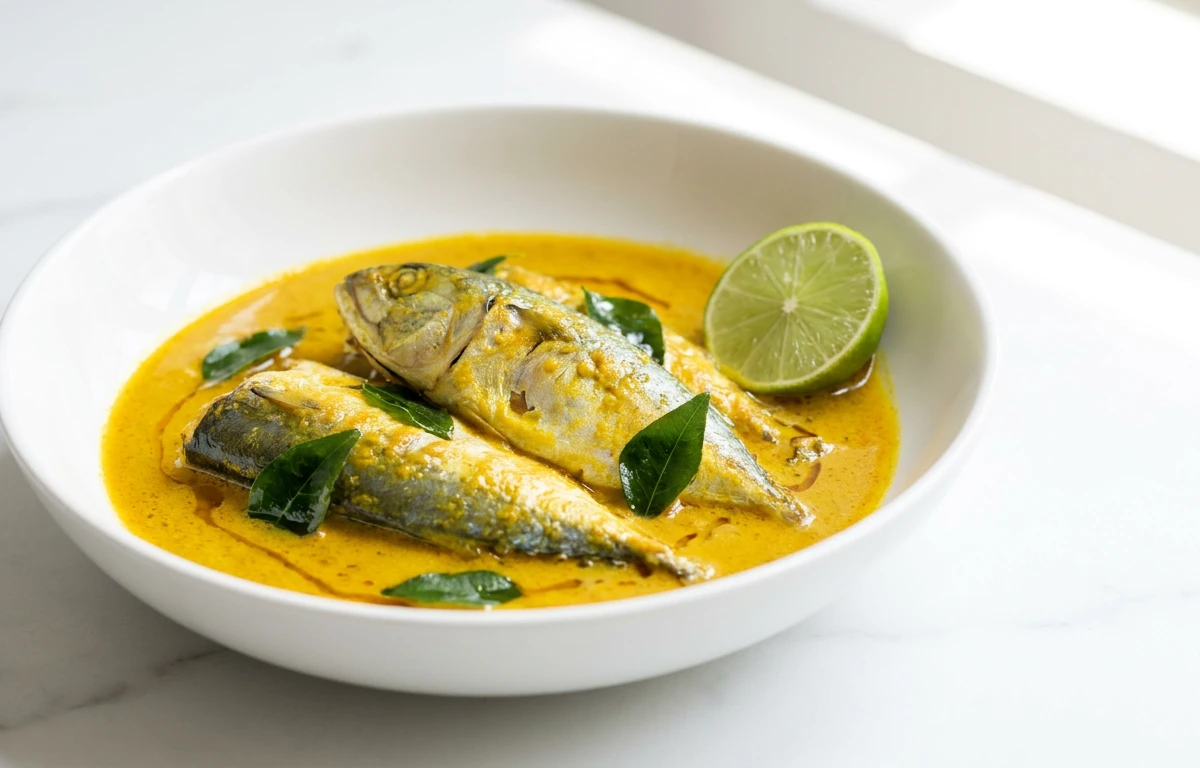
Protein1 recipes
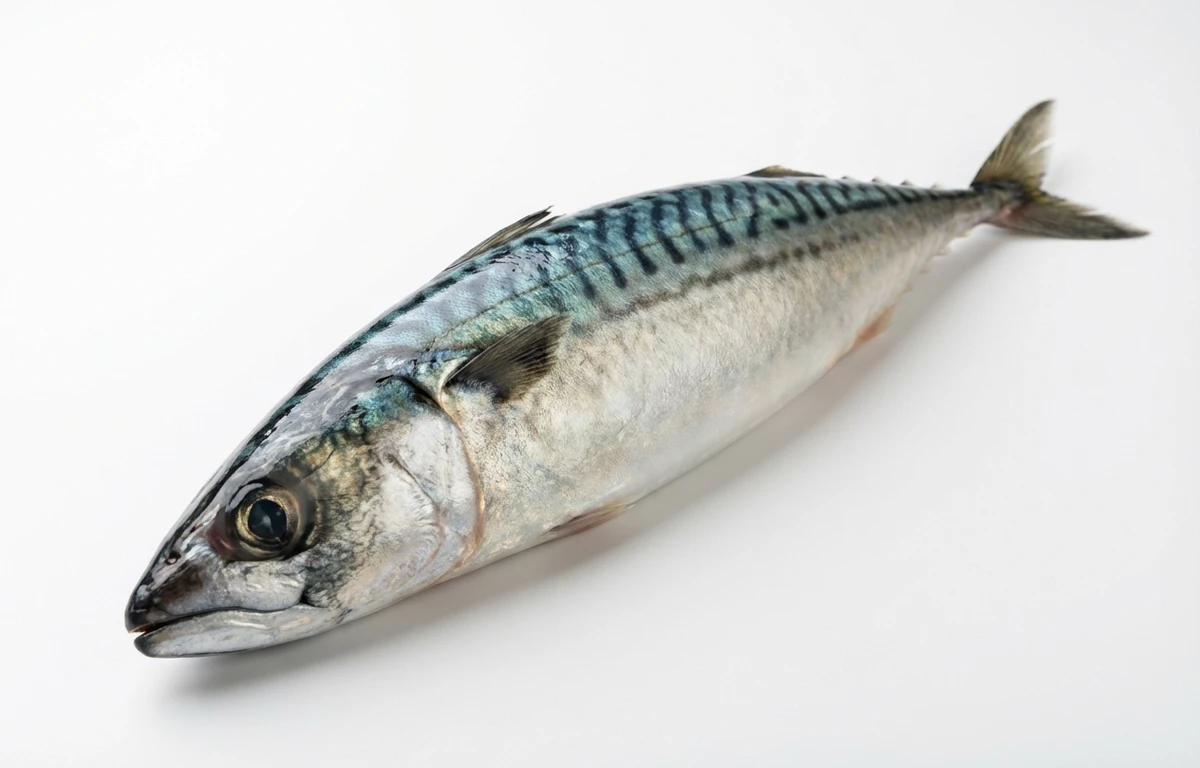
mackerel fish.
VegetarianVeganGluten-freeDairy-freeNut-freePeanut-freeSoy-freeEgg-freeShellfish-freeHoney-freeAlcohol-free
ALSO KNOWN AS
bangda fishbangda
SERVING
CALORIES
205
PROTEIN
18.6g
CARBS
0g
FAT
13.9g
FIBER
0g
NUTRITION PROFILE · per 100 g
Everything in this ingredient.
MACRONUTRIENTS
Calories205kcal—
Protein18.6g37%
Carbohydrates0g0%
Fiber0g0%
Sugar0g0%
Total fat13.9g18%
Saturated fat3.3g16%
Cholesterol70mg23%
Water63.5g—
MINERALS
Sodium90mg4%
Potassium314mg7%
Calcium12mg1%
Iron1.6mg9%
Magnesium76mg18%
Phosphorus217mg17%
Zinc0.63mg6%
Copper0.07mg8%
Manganese0.02mg1%
Selenium44.1µg80%
VITAMINS
Vitamin A50µg6%
Vitamin C0.40mg0%
Vitamin D16.1µg81%
Vitamin E1.5mg10%
Vitamin K5.0µg4%
Thiamin (B1)0.18mg15%
Riboflavin (B2)0.31mg24%
Niacin (B3)9.1mg57%
Pantothenic acid (B5)0.86mg17%
Vitamin B60.40mg24%
Folate (B9)1.0µg0%
Vitamin B128.7µg363%
%DV based on a 2,000 cal diet. Source: USDA FoodData Central. A dash in the %DV column means there’s no established Daily Value for that nutrient.
MEASUREMENT CONVERSIONS
How much is what.
1 cup140g
1 tablespoon8.8g
1 teaspoon2.9g
1 ml0.6g
1 liter583.3g
1 piece120g
HEALTH BENEFITS
Why eat it.
- ✓Extremely rich in Omega-3 fatty acids (EPA and DHA), which support heart health, reduce inflammation, and promote brain function.
- ✓Excellent source of Vitamin D, crucial for calcium absorption, bone health, and immune system regulation.
- ✓High in Vitamin B12, which is essential for red blood cell formation and maintaining a healthy nervous system.
- ✓Provides high-quality complete protein, necessary for building and repairing tissues and muscles.
COOKING TIPS
In the kitchen.
- 1Mackerel's strong, rich flavor pairs well with acidic ingredients like lemon, lime, vinegar, or tomatoes to cut through the oiliness.
- 2Due to its high oil content, it is ideal for grilling, broiling, or smoking, as it stays moist and flavorful.
- 3The skin becomes deliciously crispy when pan-seared. Score the skin first to prevent it from curling.
- 4Mackerel can be cured or pickled (like in Japanese 'shime saba') to firm up the flesh and mellow its strong flavor.
STORAGE
Keep it fresh.
- Store fresh mackerel in the coldest part of the refrigerator (at or below 40°F / 4°C) on a bed of ice and consume within 1-2 days.
- For longer storage, freeze immediately. Pat dry, wrap tightly in plastic wrap then foil or place in a freezer bag, and store at 0°F (-18°C) for up to 3 months.
FAQ
Frequently asked questions.
Is mackerel healthy?
Yes, mackerel is exceptionally healthy, packed with nutrients. It's renowned for its high content of Omega-3 fatty acids, which are vital for heart and brain health, and reducing inflammation. It also provides significant amounts of Vitamin D and B12.
What are the nutritional benefits of mackerel?
Mackerel is a powerhouse of nutrition, offering abundant Omega-3 fatty acids (EPA and DHA) crucial for cardiovascular and cognitive health. It's also an excellent source of Vitamin D, supporting bone health and immunity, and Vitamin B12, essential for nerve function and red blood cell production.
How much protein and calories are in mackerel?
A 100g serving of mackerel contains approximately 205 calories and 18.6g of high-quality protein. It's also rich in healthy fats, with about 13.89g per 100g, and contains no carbohydrates.
Is mackerel suitable for a keto diet?
Yes, mackerel is an excellent choice for a ketogenic diet. It's naturally carb-free and rich in healthy fats and protein, making it ideal for maintaining ketosis. Its high Omega-3 content also provides additional health benefits for keto dieters.
Is mackerel gluten-free?
Yes, fresh, plain mackerel is naturally gluten-free. When purchasing canned or smoked mackerel, always check the ingredient label to ensure no gluten-containing additives or marinades have been used.
How do you cook mackerel?
Mackerel is versatile and can be cooked in various ways. Popular methods include grilling, baking, pan-frying, or smoking. Its rich, oily flesh holds up well to strong flavors and high heat.
What does mackerel taste like?
Mackerel has a rich, distinct, and somewhat oily flavor with a firm, flaky texture. It's often described as having a strong 'fishy' taste compared to milder white fish, which is why it pairs well with acidic or pungent ingredients.
How do you store fresh mackerel?
Fresh mackerel should be stored in the coldest part of your refrigerator, ideally on a bed of ice, and consumed within 1-2 days of purchase. For longer storage, it can be frozen for up to 3 months if properly wrapped to prevent freezer burn.
How do you know if mackerel is fresh?
Look for mackerel with clear, bulging eyes, bright red gills, and shiny, firm skin. It should have a fresh, mild sea smell, not a strong 'fishy' odor. Avoid fish with cloudy eyes, dull skin, or a strong, unpleasant smell.
Is mackerel high in mercury?
No, mackerel is generally considered a low-mercury fish, especially Atlantic and Pacific mackerel. King mackerel, however, is a larger species and tends to have higher mercury levels, so it should be consumed in moderation, particularly by pregnant women and young children.
RECIPES
Cook with mackerel fish.
1 recipes · sorted by what’s quick