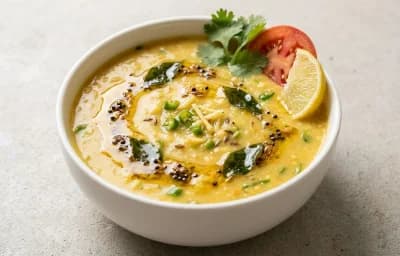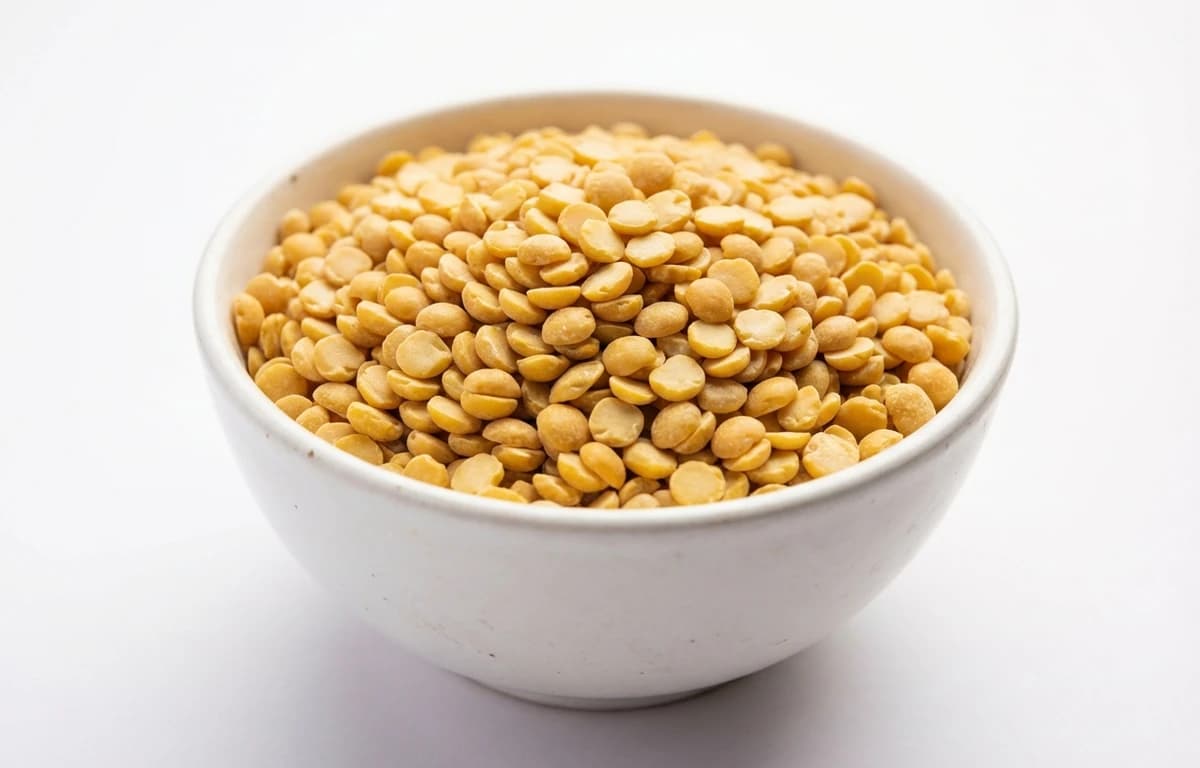
mag ni dal
Also known as: Moong Dal, Split Mung Beans, Mung Bean (split and skinned), मूंग दाल
Loading...
Also known as: Moong Dal, Split Mung Beans, Mung Bean (split and skinned), मूंग दाल
Per 100g
Nutrition data source: USDA FoodData Central
Yes, mag ni dal is very healthy. It's a powerhouse of plant-based protein and dietary fiber, supporting digestion and satiety. It also provides essential nutrients like folate, magnesium, and B vitamins, contributing to overall well-being and heart health.
Mag ni dal is highly nutritious, offering approximately 23.86g of protein and 62.62g of carbohydrates per 100g. It's rich in dietary fiber, which aids digestion, and is an excellent source of folate, magnesium, potassium, and various B vitamins crucial for energy metabolism and heart health.
Yes, mag ni dal can be beneficial for weight loss. Its high protein and fiber content promotes satiety, helping you feel full longer and reducing overall calorie intake. It's also low in fat, making it a nutritious and filling option for managing weight.
Yes, mag ni dal is naturally both vegan and gluten-free. As a legume, it is a plant-based food, making it suitable for vegan diets. It does not contain gluten, making it a safe and healthy option for individuals with celiac disease or gluten sensitivity.
Yes, mag ni dal is an excellent choice for diabetics. It has a low glycemic index, meaning it helps regulate blood sugar levels and prevents sharp spikes after meals. Its high fiber content further supports blood sugar management.
Mag ni dal is typically cooked by rinsing thoroughly and then boiling or pressure cooking until tender. It doesn't usually require pre-soaking like some other lentils, but a short soak can reduce cooking time. It's often cooked into a soft, soupy consistency for dals or thicker preparations.
mag ni dal is a versatile ingredient found in cuisines around the world. With 347 calories per 100g and 23.86 grams of protein, it's a nutritious addition to many dishes.
Explore more ingredients in the legume category with complete nutrition information.
View all legume →Mag ni dal has a mild, slightly sweet, and earthy flavor. It's commonly used in Indian cuisine to make various dishes like "dal" (a thick soup), "khichdi" (a rice and lentil porridge), and savory pancakes or crepes (dosa/cheela). Its soft texture makes it versatile for many preparations.
Mag ni dal should be stored in an airtight container in a cool, dry, and dark place, away from direct sunlight and moisture. This prevents spoilage and keeps insects away. Proper storage ensures its freshness and extends its shelf life.
When stored properly in an airtight container in a cool, dry place, dried mag ni dal can last for up to 1-2 years. While it doesn't truly "spoil" in the same way fresh food does, its quality, flavor, and cooking time may degrade over time.
Yes, mag ni dal is renowned for being one of the easiest lentils to digest. Unlike some other legumes, it causes less gas and bloating, making it particularly suitable for individuals with sensitive digestive systems, young children, and the elderly.