
Vegetable
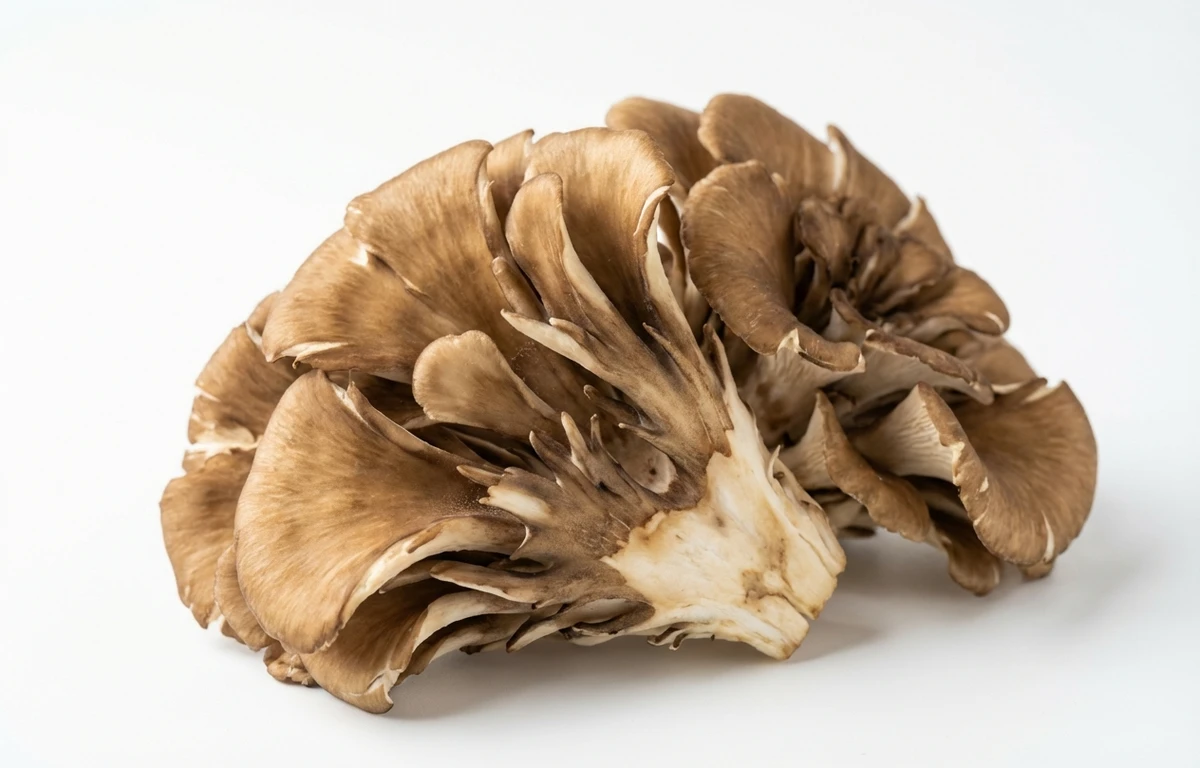
maitake mushroom.
VegetarianVeganGluten-freeDairy-freeNut-freePeanut-freeSoy-freeEgg-freeShellfish-freeHoney-freeAlcohol-free
SERVING
CALORIES
31
PROTEIN
1.9g
CARBS
7.0g
FAT
0.19g
FIBER
2.7g
This ingredient is flagged as naturally gluten-free. Per 100 g, it provides 0 µg of vitamin K.
NUTRITION PROFILE · per 100 g
Everything in this ingredient.
MACRONUTRIENTS
Calories31kcal—
Protein1.9g4%
Carbohydrates7.0g3%
Fiber2.7g10%
Sugar2.1g4%
Total fat0.19g0%
Saturated fat0.03g0%
Trans fat0g—
Cholesterol0mg0%
Water90.4g—
MINERALS
Sodium1.0mg0%
Potassium204mg4%
Calcium1.0mg0%
Iron0.30mg2%
Magnesium10mg2%
Phosphorus74mg6%
Zinc0.75mg7%
Copper0.25mg28%
Manganese0.06mg3%
Selenium0µg0%
VITAMINS
Vitamin A0µg0%
Vitamin C0mg0%
Vitamin D28.1µg141%
Vitamin E0mg0%
Vitamin K0µg0%
Thiamin (B1)0.15mg13%
Riboflavin (B2)0.24mg18%
Niacin (B3)6.6mg41%
Pantothenic acid (B5)0.27mg5%
Vitamin B60.06mg4%
Folate (B9)21µg5%
Vitamin B120µg0%
%DV based on a 2,000 cal diet. Source: USDA FoodData Central. A dash in the %DV column means there’s no established Daily Value for that nutrient.
MEASUREMENT CONVERSIONS
How much is what.
1 cup65g
1 tablespoon4.1g
1 teaspoon1.4g
1 oz28.4g
1 lb453.6g
1 ml0.3g
1 liter275g
HEALTH BENEFITS
Why eat it.
- ✓Can contribute to healthy cholesterol levels.
COOKING TIPS
In the kitchen.
- 1Roast or grill large clusters with olive oil until the edges are crispy for a delicious, meaty texture.
- 2Sauté with garlic, thyme, and butter or oil to bring out its rich, earthy flavor.
- 3Its robust structure makes it an excellent meat substitute in stir-fries, tacos, and pasta dishes.
- 4Gently pull the clusters apart by hand instead of chopping to preserve their unique fan-like shape.
STORAGE
Keep it fresh.
- Store fresh maitake mushrooms in a paper bag in the main compartment of the refrigerator for 5-7 days.
- Avoid washing until just before use to prevent them from becoming slimy and spoiling quickly.
FAQ
Frequently asked questions.
What are the nutritional values of maitake mushrooms?
Per 100 grams, maitake mushrooms contain approximately 31 calories, 1.94g of protein, 6.97g of carbohydrates, and only 0.19g of fat. They also provide dietary fiber, vitamins (like B vitamins), and minerals, contributing to overall health.
Are maitake mushrooms keto-friendly?
Yes, maitake mushrooms can be included in a ketogenic diet. With approximately 6.97g of carbohydrates per 100g, they are relatively low in net carbs, especially when consumed in moderate portions. Their low-calorie and low-fat profile also fits well into keto meal plans.
How do you cook maitake mushrooms?
Maitake mushrooms are versatile and can be sautéed, roasted, grilled, or added to soups and stir-fries. They have a delicate texture and absorb flavors well. Try tearing them into florets and pan-frying with a little oil until crispy for a delicious side dish.
What do maitake mushrooms taste like?
Maitake mushrooms have a rich, earthy, and slightly peppery flavor with a unique umami depth. Their texture is tender yet firm, often described as meaty or slightly crunchy when cooked properly, making them a flavorful addition to many dishes.
Can maitake mushrooms be eaten raw?
While some mushrooms can be eaten raw, it's generally recommended to cook maitake mushrooms. Cooking helps break down chitin, making their nutrients more bioavailable and improving digestibility. It also enhances their flavor and texture significantly.
How should I store maitake mushrooms?
Store fresh maitake mushrooms in a paper bag in the refrigerator for up to a week. Avoid plastic bags, as they trap moisture and can cause the mushrooms to spoil faster. Do not wash them until just before use to maintain freshness.
How do I choose fresh maitake mushrooms?
Look for maitake mushrooms with firm, dry, and intact clusters of caps. The edges should not be slimy, discolored, or show signs of wilting. A fresh maitake will have a pleasant, earthy aroma, indicating good quality.



















