
Loading...
Per 100g
Nutrition data source: USDA FoodData Central
Common measurement equivalents in grams
Per 100g, Malabar cucumber contains approximately 16 calories, 0.63g protein, 2.95g carbohydrates, and 0.18g fat. It's a low-calorie, low-fat vegetable rich in water and beneficial for hydration.
Yes, Malabar cucumber is excellent for weight loss diets. Its high water content and very low-calorie count (16 calories per 100g) help promote satiety without adding significant calories, making it a filling and healthy choice.
Yes, Malabar cucumber is naturally vegan as it is a plant-based vegetable. It is also naturally gluten-free, making it suitable for individuals with celiac disease or gluten sensitivities.
Yes, Malabar cucumber is suitable for diabetics. It has a low carbohydrate content (2.95g per 100g) and a low glycemic index, which helps manage blood sugar levels. Its fiber content also aids in slowing sugar absorption.
Malabar cucumber can be cooked in various ways. It's commonly used in curries, stews, and stir-fries, especially in South Indian cuisine. It can also be sautéed, roasted, or added to soups.
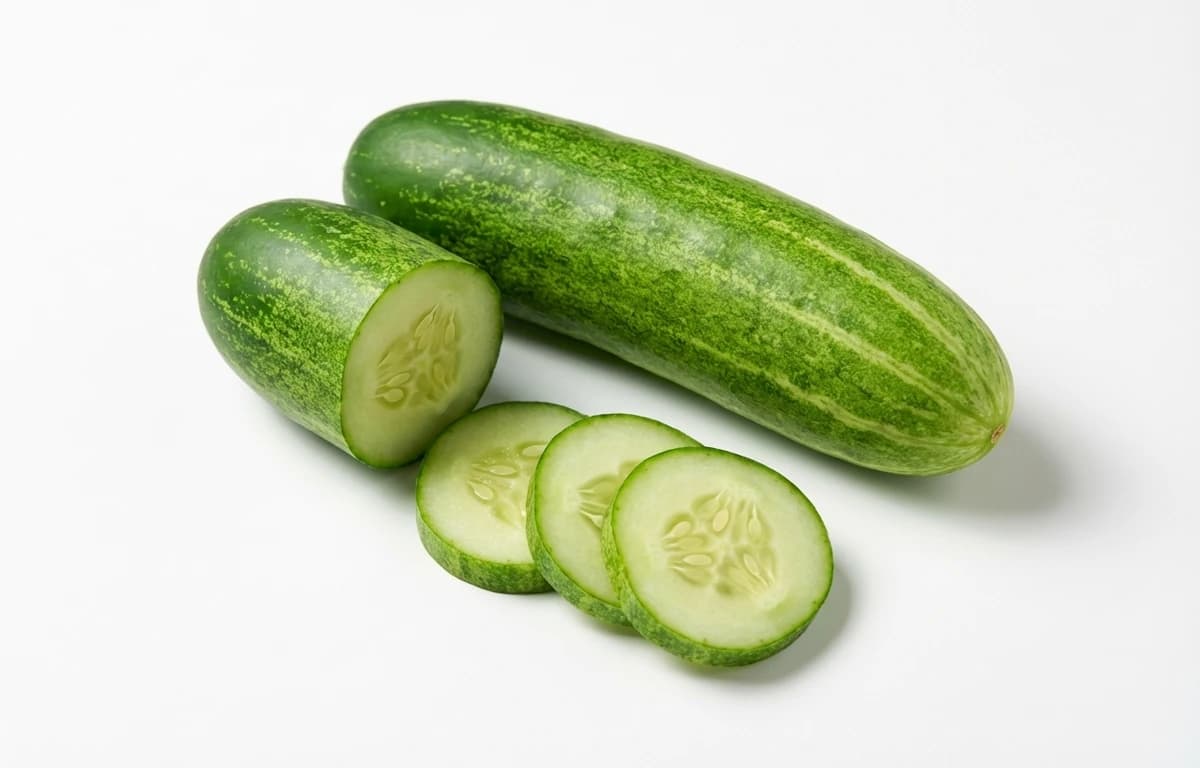
Malabar cucumber has a mild, slightly sweet, and refreshing taste, similar to regular cucumber but often with a firmer texture and a hint more sweetness when mature. It absorbs flavors well from spices and other ingredients.
Store whole Malabar cucumbers in a cool, dry place or in the refrigerator's crisper drawer. They can last for up to 1-2 weeks when stored properly. Avoid washing them until just before use to prolong freshness.
malabar cucumber is a versatile ingredient found in cuisines around the world. With 16 calories per 100g and 0.63 grams of protein, it's a nutritious addition to many dishes.
Explore more ingredients in the vegetable category with complete nutrition information.
View all vegetable →Discover 0 recipes featuring malabar cucumber with step-by-step instructions.
Browse recipes →Peeling Malabar cucumber is optional. The skin is edible and contains fiber and nutrients, but it can be thicker than regular cucumber skin, especially in mature fruits. Many prefer to peel it for a smoother texture in cooked dishes.
While typically cooked in many cuisines, Malabar cucumber can be eaten raw, especially when young and tender. It can be sliced and added to salads or used in refreshing drinks, similar to common cucumbers.