
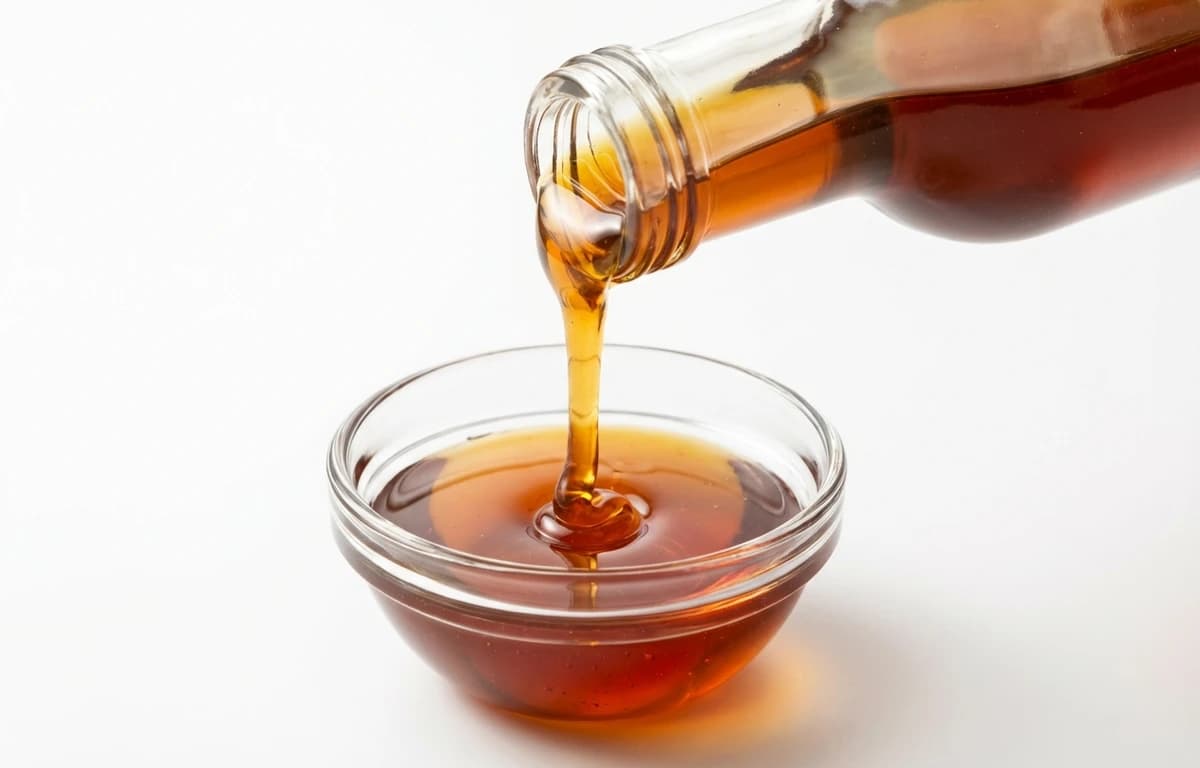
malt syrup
Also known as:
Loading...
Also known as:
Per 100g
Nutrition data source: USDA FoodData Central
Common measurement equivalents in grams
Malt syrup offers some nutritional advantages over refined sugar, providing B vitamins, minerals like iron and magnesium, soluble fiber, and antioxidants. It also has a lower glycemic index, leading to a slower rise in blood sugar. However, it is still a concentrated source of carbohydrates and calories, so moderation is key.
Per 100g, malt syrup contains approximately 318 calories, 6.2g of protein, 71.3g of carbohydrates, and 0g of fat. While it offers a small amount of protein and some micronutrients, its primary contribution to the diet is carbohydrates.
Malt syrup is calorie-dense, with 318 calories per 100g, and primarily composed of carbohydrates. While it offers some nutrients and a lower glycemic index than refined sugar, it's not inherently beneficial for weight loss due to its high caloric content. Portion control is essential when incorporating any sweetener into a weight management plan.
No, malt syrup is typically not gluten-free. It is derived from malted barley, which is a grain containing gluten. Individuals with celiac disease or gluten sensitivity should avoid malt syrup unless specifically labeled as gluten-free and made from a gluten-free source.
While malt syrup has a lower glycemic index than refined sugar, meaning it causes a slower rise in blood sugar, it is still a carbohydrate-rich sweetener. Diabetics should consume it in very limited quantities and monitor their blood sugar levels, as it can still impact glucose control. Consultation with a healthcare professional is recommended.
Malt syrup has a distinct malty, slightly caramel-like flavor with a less intense sweetness than refined sugar. It's commonly used in baking, especially for bagels, pretzels, and dark breads, to add flavor, color, and a chewy texture. It can also be used in beverages or as a topping.
malt syrup is a versatile ingredient found in cuisines around the world. With 318 calories per 100g and 6.2 grams of protein, it's a nutritious addition to many dishes.
Explore more ingredients in the sweetener category with complete nutrition information.
View all sweetener →You can substitute malt syrup with other liquid sweeteners like honey, maple syrup, or agave nectar, but the flavor and sweetness intensity will differ. For baking, especially where the malty flavor and specific texture are desired (e.g., bagels), a direct substitute might alter the final product significantly. Adjust quantities based on desired sweetness.
Malt syrup should be stored in a cool, dark place, away from direct sunlight and heat. Once opened, ensure the container is tightly sealed to prevent crystallization and contamination. It generally has a long shelf life, often several years, but always check the best-by date on the packaging.
Yes, malt syrup is typically vegan. It is derived from plant-based ingredients, primarily malted barley, and does not involve any animal products in its production process.
Malt syrup generally has a lower glycemic index (GI) compared to refined sugar (sucrose) or high-fructose corn syrup. While specific values can vary, it typically falls in the range of 40-55, indicating a slower and more gradual impact on blood sugar levels.