Other2 recipes
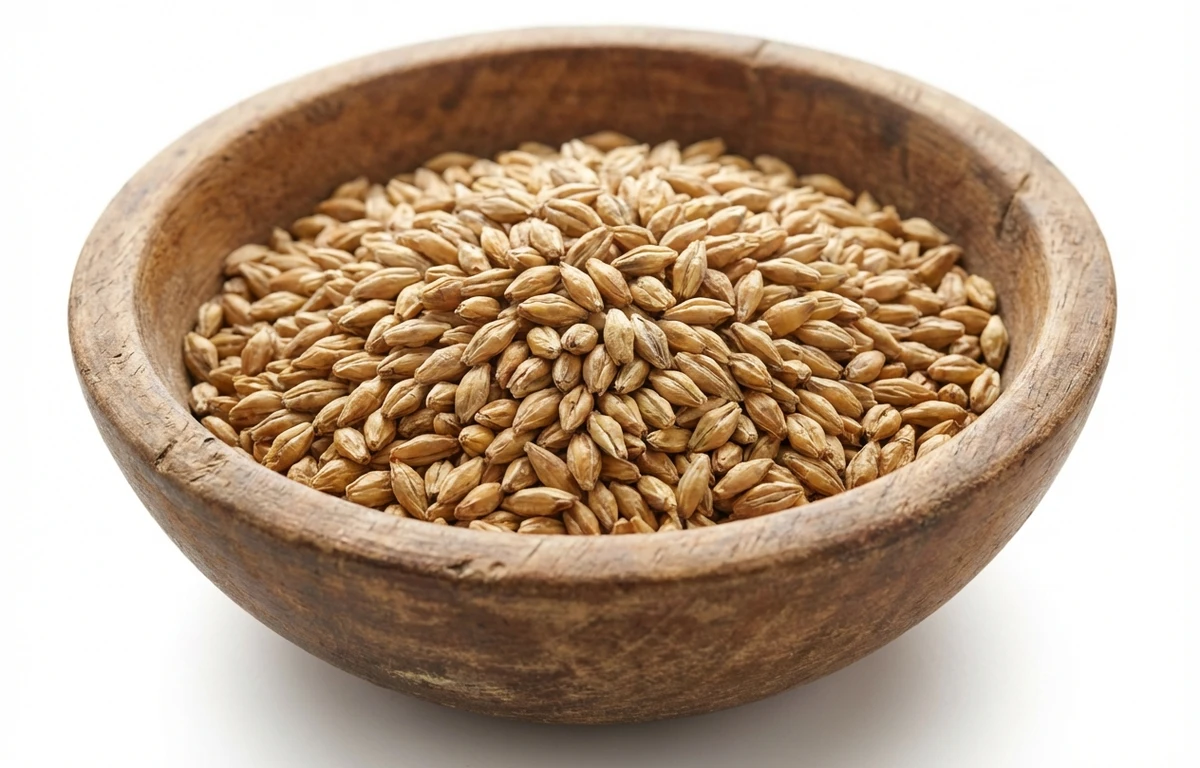
malted barley.
VegetarianVeganGluten-freeDairy-freeNut-freePeanut-freeSoy-freeEgg-freeShellfish-freeHoney-freeAlcohol-freeWhole grain
SERVING
CALORIES
361
PROTEIN
10.3g
CARBS
78.3g
FAT
1.8g
FIBER
7.1g
Per 100 g, it provides 2.2 µg of vitamin K.
NUTRITION PROFILE · per 100 g
Everything in this ingredient.
MACRONUTRIENTS
Calories361kcal—
Protein10.3g21%
Carbohydrates78.3g28%
Fiber7.1g25%
Sugar0.80g2%
Total fat1.8g2%
Saturated fat0.39g2%
Cholesterol0mg0%
Water8.2g—
MINERALS
Sodium11mg0%
Potassium224mg5%
Calcium37mg3%
Iron4.7mg26%
Magnesium97mg23%
Phosphorus303mg24%
Zinc2.1mg19%
Copper0.27mg30%
Manganese1.2mg52%
Selenium37.7µg69%
VITAMINS
Vitamin A1.0µg0%
Vitamin C0.60mg1%
Vitamin D0µg0%
Vitamin E0.57mg4%
Vitamin K2.2µg2%
Thiamin (B1)0.31mg26%
Riboflavin (B2)0.31mg24%
Niacin (B3)5.6mg35%
Pantothenic acid (B5)0.58mg12%
Vitamin B60.66mg39%
Folate (B9)38µg10%
Vitamin B120µg0%
%DV based on a 2,000 cal diet. Source: USDA FoodData Central. A dash in the %DV column means there’s no established Daily Value for that nutrient.
MEASUREMENT CONVERSIONS
How much is what.
1 cup162g
1 tablespoon10.1g
1 teaspoon3.4g
1 oz28.4g
1 lb453.6g
1 ml0.7g
1 liter675g
HEALTH BENEFITS
Why eat it.
- ✓Rich in B vitamins, including niacin, thiamine, and vitamin B6, which support energy metabolism.
- ✓Contains soluble fiber, particularly beta-glucan, which can help lower cholesterol and improve heart health.
- ✓Offers a lower glycemic index compared to refined sugars, providing a more sustained energy release.
COOKING TIPS
In the kitchen.
- 1Add a small amount of diastatic malt powder to bread dough to improve yeast activity, rise, and crust browning.
- 2Use malt syrup as a natural sweetener in baked goods, milkshakes (malted milk), or marinades for a distinctive, rich flavor.
- 3Toast whole malted barley grains and use them in granolas or as a topping for yogurt to add a crunchy texture and nutty taste.
- 4Steep crushed malted barley in hot water to create a sweet, non-alcoholic wort that can be used as a base for drinks or desserts.
STORAGE
Keep it fresh.
- Store whole malted barley grains or flour in a cool, dark, and dry place in an airtight container to prevent moisture and pests.
- Refrigerate malt syrup or extract after opening and use within 3-6 months for best quality.
FAQ
Frequently asked questions.
Is malted barley healthy?
Yes, malted barley offers several health benefits. It's a good source of B vitamins, including niacin, thiamine, and B6, which are vital for energy metabolism. It also contains soluble fiber, particularly beta-glucan, known for its potential to lower cholesterol and support heart health.
How is malted barley typically used?
Malted barley is primarily used in brewing beer and distilling spirits, where its enzymes convert starches into fermentable sugars. It's also a key ingredient in malted milk products, some breakfast cereals, and baked goods, adding a distinct sweet, nutty flavor.
What does malted barley taste like?
Malted barley has a distinctive sweet, slightly nutty, and toasty flavor profile. The malting process develops complex sugars and aromatic compounds, giving it a rich, caramel-like taste that is less intensely sweet than refined sugar.
Is malted barley suitable for a vegan diet?
Yes, malted barley is suitable for a vegan diet. It is a plant-based product derived solely from barley grains through a natural germination and drying process. No animal products are involved in its production.
What is the difference between barley and malted barley?
Barley is the raw grain, while malted barley has undergone a controlled germination process (malting). This process activates enzymes that break down starches into simpler sugars, enhancing flavor, aroma, and making it more suitable for brewing and other applications.
Does malted barley offer any benefits for heart health?
Yes, malted barley contains soluble fiber, particularly beta-glucan, which is well-known for its heart-healthy properties. Beta-glucan can help reduce levels of LDL (bad) cholesterol, contributing to improved cardiovascular health when consumed as part of a balanced diet.
RECIPES
Cook with malted barley.
2 recipes · sorted by what’s quick