
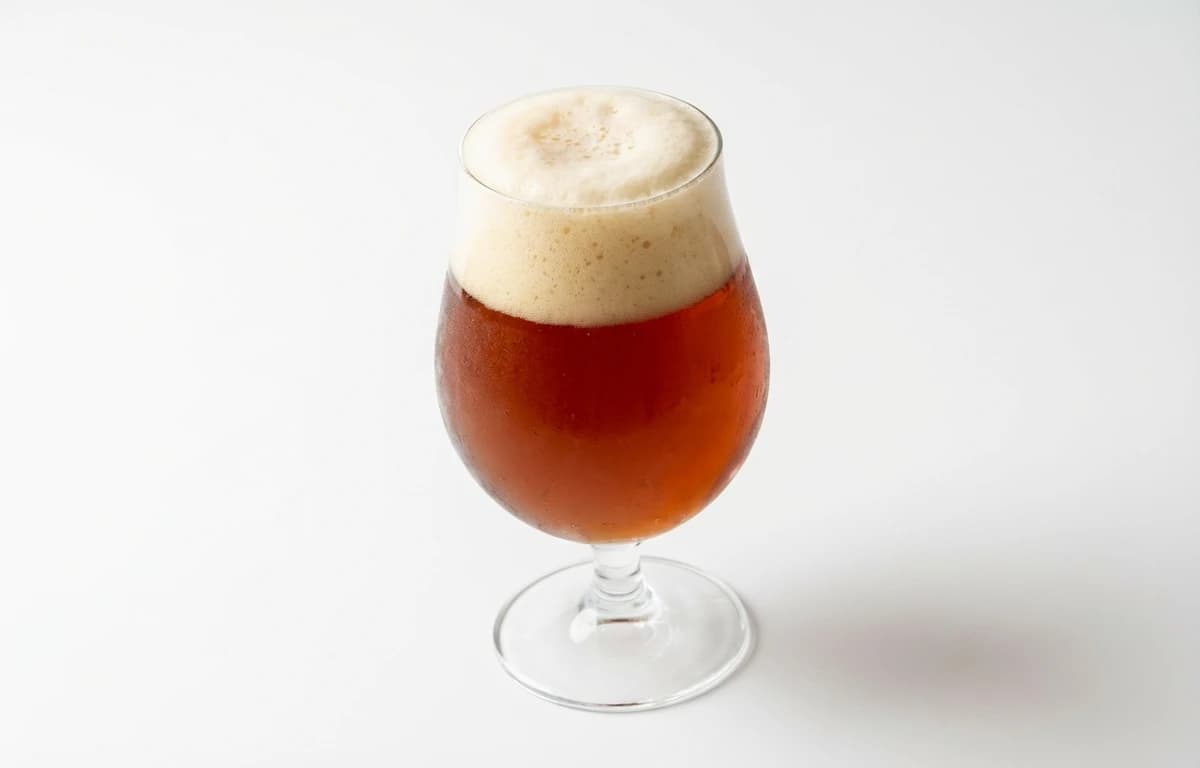
malty beer
Also known as: malty ale, stout, porter, amber ale, brown ale, bock
Loading...
Also known as: malty ale, stout, porter, amber ale, brown ale, bock
Per 100g
Nutrition data source: USDA FoodData Central
Common measurement equivalents in grams
In moderation, malty beer can offer some health benefits. It contains antioxidants from malt and hops that may support heart health, B vitamins (niacin, riboflavin, folate) from yeast and grains, and dietary silicon which may contribute to bone health. However, it's also caloric and contains alcohol, so moderation is key.
A typical malty beer contains approximately 43 calories and 3.55 grams of carbohydrates per 100g. The exact values can vary based on the specific beer's alcohol content and residual sugars.
Malty beer is not typically considered good for weight loss due to its caloric content (43 calories per 100g) and carbohydrates. While moderate consumption might fit into a balanced diet, excessive intake can contribute to calorie surplus and hinder weight loss efforts.
Most malty beers are not gluten-free as they are brewed using malted barley, which contains gluten. However, there are specially crafted gluten-free beers available that use alternative grains like sorghum or rice, or have gluten removed during processing.
Diabetics should consume malty beer with caution and in moderation due to its carbohydrate content (3.55g per 100g), which can affect blood sugar levels. It's advisable to consult a doctor or dietitian and monitor blood glucose carefully, opting for lower-carb beer options if available.
Malty beer typically features flavors and aromas reminiscent of caramel, toffee, bread, roasted nuts, chocolate, or coffee, depending on the specific malt bill. It often has a fuller body and a sweeter, less bitter profile compared to hoppy beers.
malty beer is a versatile ingredient found in cuisines around the world. With 50 calories per 100g and 0.5 grams of protein, it's a nutritious addition to many dishes.
Explore more ingredients in the other category with complete nutrition information.
View all other →Malty beer is excellent for cooking, adding depth and richness to dishes. It can be used in stews, braises (like beef stew or pot roast), marinades for meats, bread recipes, and even in desserts like chocolate cake or ice cream floats.
Malty beer should generally be stored in a cool, dark place, away from direct sunlight and temperature fluctuations. For optimal freshness, store bottles upright to minimize oxidation, and keep cans chilled if possible, especially after purchase.
A beer is considered 'malty' when its flavor and aroma profile is dominated by characteristics derived from the malted grains used in brewing. This often means a focus on sweet, bready, caramel, or roasted notes, rather than hop bitterness or yeast esters.
Many malty beers are vegan, but not all. Some brewers use fining agents like isinglass (derived from fish bladders) or gelatin to clarify the beer, which makes them non-vegan. Always check the label or the brewer's website for specific vegan certifications.