
Fruit
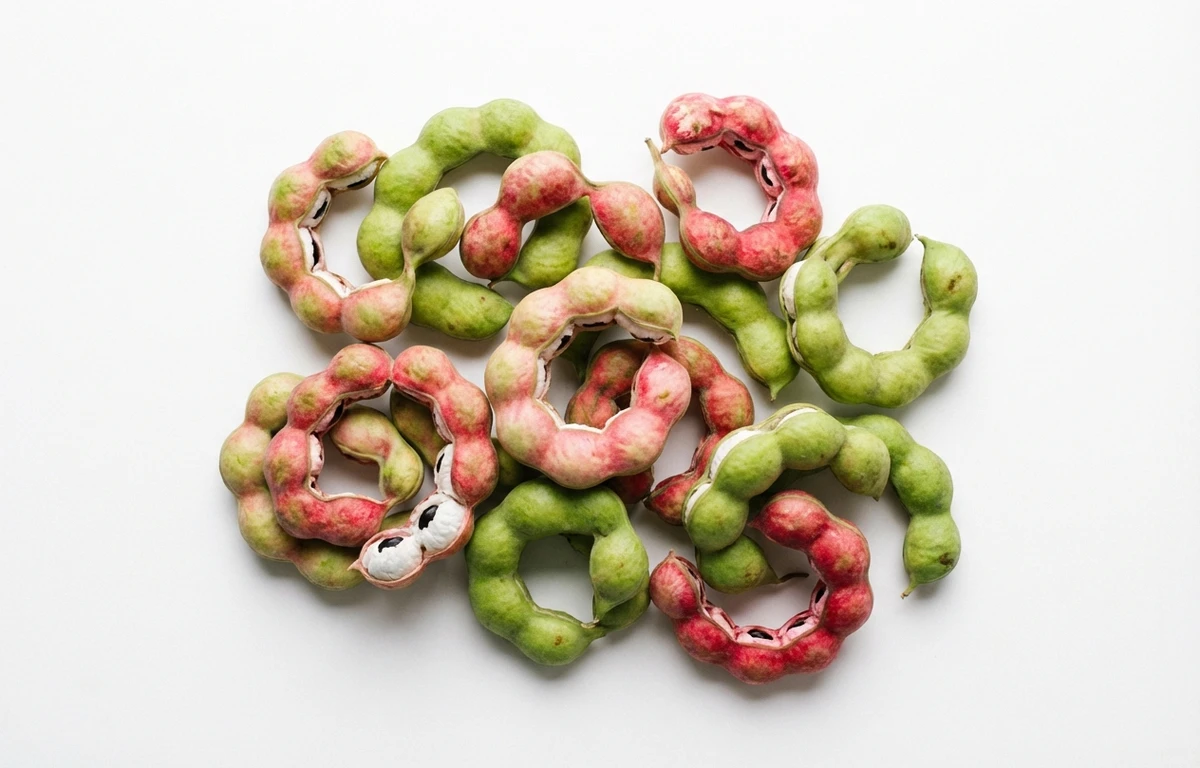
manila tamarind.
VegetarianVeganGluten-freeDairy-freeNut-freePeanut-freeSoy-freeEgg-freeShellfish-freeHoney-freeAlcohol-freeHalalKosher
SERVING
CALORIES
82
PROTEIN
3.6g
CARBS
13.5g
FAT
1.1g
FIBER
4.4g
NUTRITION PROFILE · per 100 g
Everything in this ingredient.
MACRONUTRIENTS
Calories81.7kcal—
Protein3.6g7%
Carbohydrates13.5g5%
Fiber4.4g16%
Sugar12.1g24%
Total fat1.1g1%
Saturated fat0.03g0%
Trans fat0g—
Cholesterol0mg0%
Water74.5g—
MINERALS
Sodium1.4mg0%
Potassium376mg8%
Calcium8.5mg1%
Iron0.71mg4%
Magnesium33mg8%
Phosphorus73.5mg6%
Zinc0.56mg5%
Copper0.22mg24%
Manganese0.27mg12%
Selenium0µg0%
VITAMINS
Vitamin A2.2µg0%
Vitamin C55.8mg62%
Vitamin D0µg0%
Vitamin E0.38mg3%
Vitamin K33.2µg28%
Thiamin (B1)0.18mg15%
Riboflavin (B2)0.14mg11%
Niacin (B3)0.40mg3%
Pantothenic acid (B5)0.18mg4%
Vitamin B60.04mg2%
Biotin (B7)0.22µg1%
Folate (B9)4.2µg1%
%DV based on a 2,000 cal diet. Source: USDA FoodData Central. A dash in the %DV column means there’s no established Daily Value for that nutrient.
MEASUREMENT CONVERSIONS
How much is what.
1 oz28.4g
1 lb453.6g
1 piece18g
HEALTH BENEFITS
Why eat it.
- ✓Rich in antioxidants, including flavonoids and saponins, which help combat oxidative stress.
- ✓Good source of Vitamin C, which is essential for immune system support and collagen production.
- ✓Contains dietary fiber, aiding in digestion, promoting satiety, and helping to regulate blood sugar levels.
- ✓Provides essential minerals like calcium, phosphorus, and iron, which support bone health and energy metabolism.
COOKING TIPS
In the kitchen.
- 1Most commonly eaten raw; simply break open the brittle pod and consume the fleshy pulp, discarding the hard black seeds.
- 2Blend the pulp with water, lime juice, and a sweetener to create a refreshing beverage known as 'agua de guamúchil'.
- 3The sweet-tart flavor profile makes it an excellent base for chutneys, sauces, or as a tangy element in savory meat or vegetable dishes.
- 4While the seeds are inedible raw, they can be roasted and eaten, offering a nutty flavor.
STORAGE
Keep it fresh.
- Store fresh, unpeeled pods in a cool, dry place at room temperature for up to 5 days.
- For longer storage of 1-2 weeks, place the pods in a breathable bag inside the refrigerator's crisper drawer.
- The extracted pulp can be frozen in an airtight container for several months.
FAQ
Frequently asked questions.
Is manila tamarind healthy?
Yes, manila tamarind is quite healthy. It's rich in antioxidants like flavonoids and saponins, which protect against oxidative stress. It also provides a good amount of Vitamin C for immune support and collagen production, along with dietary fiber for digestion and essential minerals like calcium, phosphorus, and iron.
What are the key nutritional values of manila tamarind?
Per 100 grams, manila tamarind contains approximately 81.74 calories, 3.56 grams of protein, 13.54 grams of carbohydrates, and 1.14 grams of fat. It's a relatively low-calorie fruit with a decent protein content for a fruit.
Is manila tamarind good for digestion?
Yes, manila tamarind is beneficial for digestion due to its dietary fiber content. Fiber aids in promoting regular bowel movements, preventing constipation, and supporting a healthy gut microbiome. It also contributes to satiety, which can help with weight management.
Is manila tamarind suitable for people with diabetes?
Manila tamarind contains carbohydrates (13.54g per 100g), so diabetics should consume it in moderation and account for its carb content in their meal plan. However, its dietary fiber can help regulate blood sugar levels by slowing down sugar absorption, making it a better choice than high-sugar, low-fiber fruits.
Is manila tamarind keto-friendly?
With approximately 13.54 grams of carbohydrates per 100 grams, manila tamarind is generally not considered keto-friendly. Most ketogenic diets aim for a much lower daily net carb intake, typically under 20-50 grams, making it difficult to fit this fruit into a strict keto regimen.
Is manila tamarind vegan and gluten-free?
Yes, as a natural fruit, manila tamarind is inherently vegan and gluten-free. It is a plant-based food and does not contain any animal products or gluten-containing grains.
How do you eat or prepare manila tamarind?
Manila tamarind can be eaten raw directly from the pod, where the pulp around the seeds is consumed. It can also be used in various culinary applications, including making refreshing drinks, jams, jellies, and desserts. In some cultures, it's incorporated into savory dishes or used as a souring agent.
What does manila tamarind taste like?
The taste of manila tamarind is unique, often described as a sweet and sour combination, with a slightly tangy and sometimes subtly earthy flavor. The pulp is soft, somewhat cottony, and can vary in sweetness depending on ripeness and variety.
How should I store manila tamarind?
Fresh manila tamarind pods should be stored in a cool, dry place or in the refrigerator. When refrigerated in a breathable bag, they can last for about 1-2 weeks. Avoid storing them in airtight containers as this can promote spoilage.
Can manila tamarind be used in both sweet and savory dishes?
Yes, manila tamarind is quite versatile and can be used in both sweet and savory preparations. Its sweet-tart flavor makes it suitable for desserts, beverages, and preserves, while its tanginess can also complement savory dishes, sauces, and even curries, similar to how other tamarinds are used.



















