Condiment10 recipes
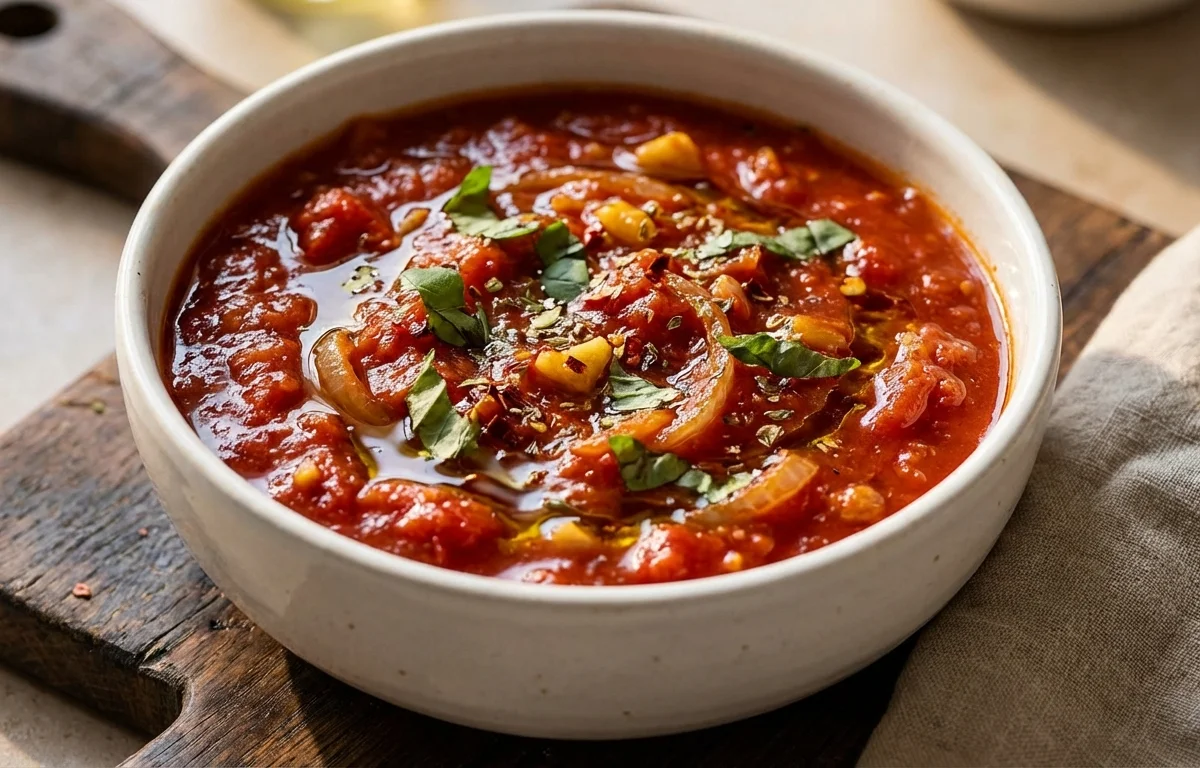
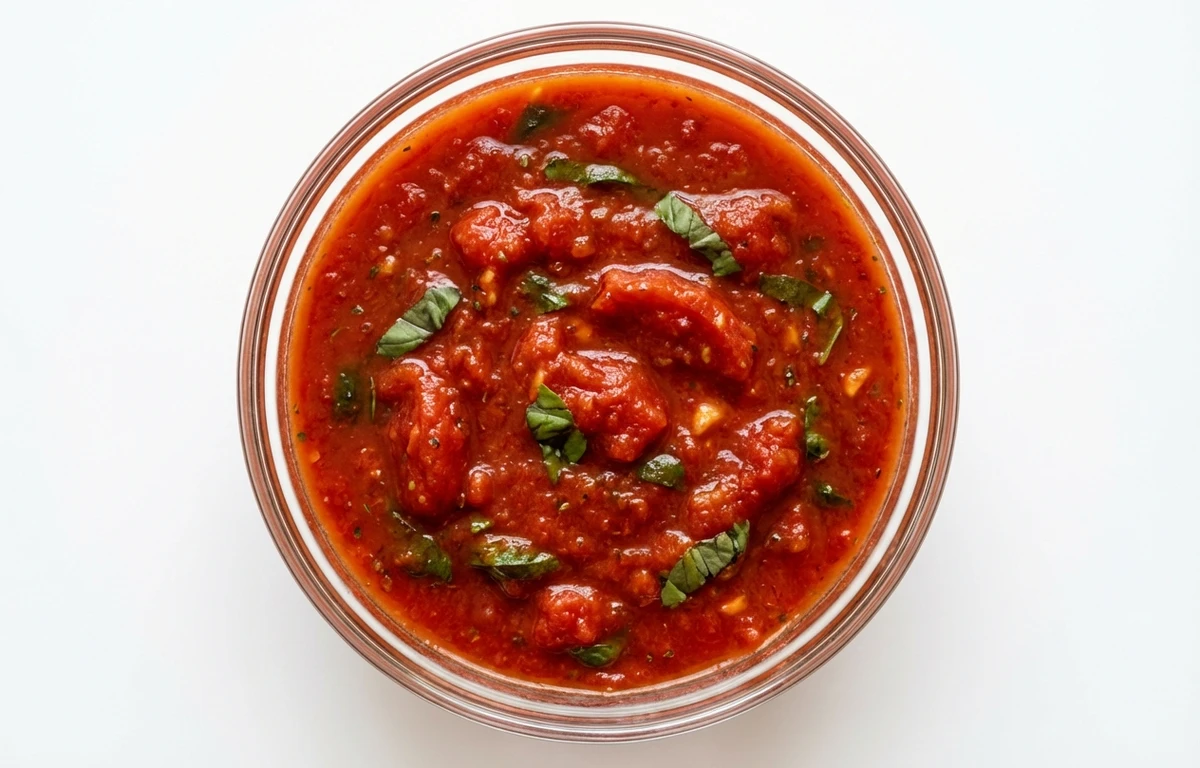
marinara sauce.
VegetarianVeganGluten-freeDairy-freeNut-freePeanut-freeSoy-freeEgg-freeShellfish-freeHoney-freeAlcohol-free
ALSO KNOWN AS
pasta saucespaghetti saucered sauce
SERVING
CALORIES
51
PROTEIN
1.4g
CARBS
8.5g
FAT
1.3g
FIBER
1.9g
NUTRITION PROFILE · per 100 g
Everything in this ingredient.
MACRONUTRIENTS
Calories51kcal—
Protein1.4g3%
Carbohydrates8.5g3%
Fiber1.9g7%
Sugar4.8g10%
Total fat1.3g2%
Saturated fat0.20g1%
Trans fat0g—
Cholesterol0mg0%
Water86g—
MINERALS
Sodium420mg18%
Potassium340mg7%
Calcium18mg1%
Iron0.80mg4%
Magnesium15mg4%
Phosphorus28mg2%
Zinc0.20mg2%
Copper0.10mg11%
Manganese0.10mg4%
Selenium0.40µg1%
VITAMINS
Vitamin A35µg4%
Vitamin C6.0mg7%
Vitamin D0µg0%
Vitamin E1.2mg8%
Vitamin K8.0µg7%
Thiamin (B1)0.04mg3%
Riboflavin (B2)0.04mg3%
Niacin (B3)1.1mg7%
Pantothenic acid (B5)0.20mg4%
Vitamin B60.10mg6%
Folate (B9)10µg3%
Vitamin B120µg0%
%DV based on a 2,000 cal diet. Source: USDA FoodData Central. A dash in the %DV column means there’s no established Daily Value for that nutrient.
MEASUREMENT CONVERSIONS
How much is what.
1 cup250g
1 tablespoon15.8g
1 teaspoon5.2g
1 oz28.4g
1 lb453.6g
1 ml1g
1 liter1050g
HEALTH BENEFITS
Why eat it.
- ✓Rich in lycopene, a powerful antioxidant that supports heart health
- ✓Good source of Vitamin C and Vitamin A for immune support
- ✓Low in calories compared to cream-based pasta sauces
- ✓Contains potassium which helps regulate blood pressure
- ✓Provides dietary fiber which aids in digestive health
COOKING TIPS
In the kitchen.
- 1Simmer on low heat for at least 20 minutes to allow flavors to meld and deepen
- 2Add a pinch of sugar or a splash of balsamic vinegar to balance tomato acidity
- 3Stir in fresh basil or parsley at the very end of cooking to preserve their bright flavor
STORAGE
Keep it fresh.
- Refrigerate in an airtight glass or plastic container for up to 5-7 days
- Freeze in freezer-safe bags or containers for up to 4 months
- Store unopened store-bought jars in a cool, dark pantry until the expiration date
FAQ
Frequently asked questions.
How long does opened marinara sauce last in the fridge?
Once opened, marinara sauce typically lasts for 5 to 7 days when stored in an airtight container in the refrigerator.
Can I freeze marinara sauce?
Yes, marinara sauce freezes exceptionally well. Store it in airtight containers or heavy-duty freezer bags for up to 4 months.
What is the difference between marinara and spaghetti sauce?
Marinara is a simple sauce made with tomatoes, garlic, oil, and herbs. Spaghetti sauce is often thicker and may contain meat, vegetables, and more complex seasonings.
How can I make store-bought marinara taste homemade?
Sauté fresh garlic and onions before adding the sauce, and finish with fresh herbs, a drizzle of high-quality olive oil, or a splash of red wine.
Is marinara sauce usually gluten-free?
Most traditional marinara sauces are naturally gluten-free, but some processed brands may use thickeners containing gluten, so always check the label.
How do I fix a marinara sauce that is too acidic?
You can neutralize the acidity by adding a tiny pinch of baking soda or a teaspoon of sugar to the sauce while it simmers.
Can I use marinara sauce as a substitute for pizza sauce?
Yes, though marinara is usually thinner and chunkier than pizza sauce. You may want to simmer it longer to thicken it or blend it for a smoother texture.
What are the best herbs to add to marinara?
Basil and oregano are the most traditional. Thyme and rosemary can also be used for a more earthy flavor profile.
Is marinara sauce healthy?
Yes, it is generally healthy as it is low in fat and high in vitamins and antioxidants, though store-bought versions can be high in sodium and added sugar.
How do I know if marinara sauce has gone bad?
Signs of spoilage include the presence of mold, a sour or off-putting smell, or a significant change in color or texture.
RECIPES
Cook with marinara sauce.
10 recipes · sorted by what’s quick