Other10 recipes
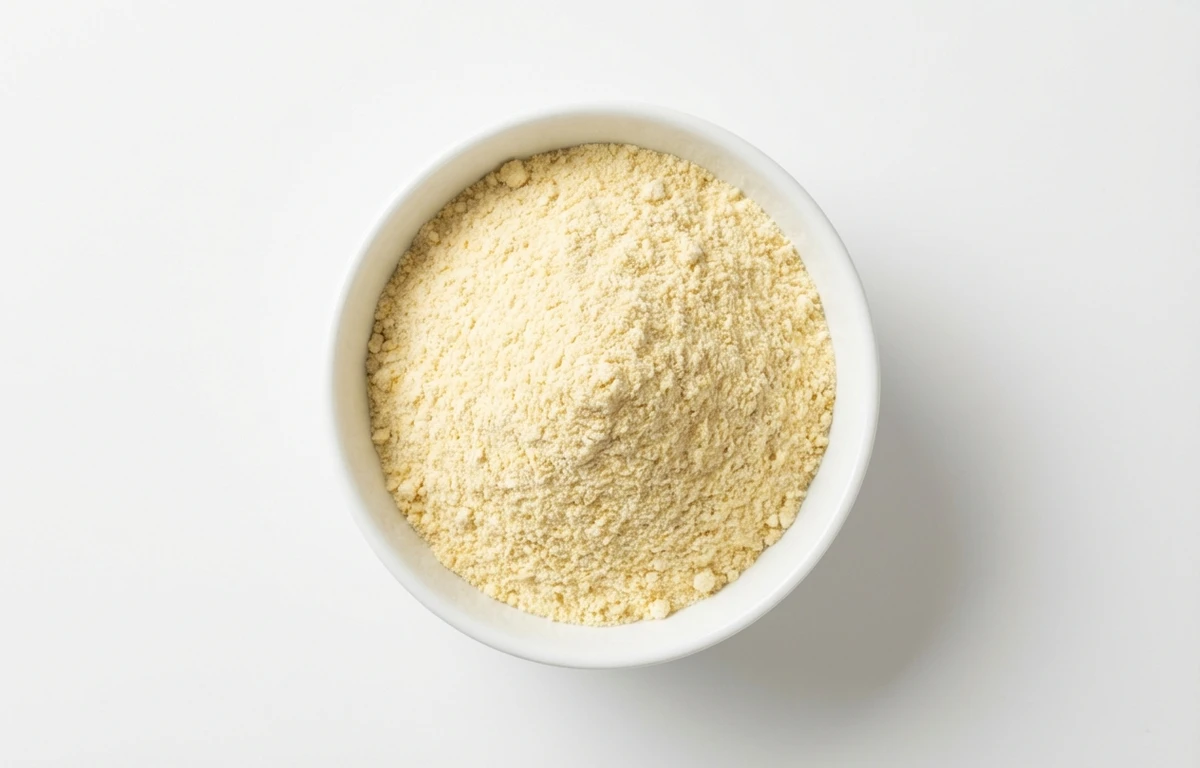
masa harina.
VegetarianVeganGluten-freeDairy-freeNut-freePeanut-freeSoy-freeEgg-freeShellfish-freeHoney-freeAlcohol-freeWhole grain
ALSO KNOWN AS
corn flour for tortillas
SERVING
CALORIES
365
PROTEIN
7.9g
CARBS
77.5g
FAT
2.4g
FIBER
7.2g
This ingredient is flagged as naturally gluten-free. Per 100 g, it provides 1.0 µg of vitamin K.
NUTRITION PROFILE · per 100 g
Everything in this ingredient.
MACRONUTRIENTS
Calories365kcal—
Protein7.9g16%
Carbohydrates77.5g28%
Fiber7.2g26%
Sugar0.60g1%
Total fat2.4g3%
Saturated fat0.34g2%
Cholesterol0mg0%
Water11.5g—
MINERALS
Sodium12mg1%
Potassium168mg4%
Calcium106mg8%
Iron3.2mg18%
Magnesium64.8mg15%
Phosphorus149mg12%
Zinc1.2mg11%
Copper0.19mg21%
Selenium6.7µg12%
VITAMINS
Vitamin A0µg0%
Vitamin C0mg0%
Vitamin D0µg0%
Vitamin E0.07mg0%
Vitamin K1.0µg1%
Thiamin (B1)0.44mg37%
Riboflavin (B2)0.26mg20%
Niacin (B3)3.3mg21%
Vitamin B60.27mg16%
Folate (B9)64.8µg16%
Vitamin B120µg0%
%DV based on a 2,000 cal diet. Source: USDA FoodData Central. A dash in the %DV column means there’s no established Daily Value for that nutrient.
MEASUREMENT CONVERSIONS
How much is what.
1 cup120g
1 tablespoon7.5g
1 teaspoon2.5g
1 ml0.5g
1 liter500g
COOKING TIPS
In the kitchen.
- 1When preparing dough (masa), use warm water and add it gradually, kneading until the dough is soft and pliable but not sticky. The ideal texture is similar to play-doh.
- 2Always let the prepared masa rest, covered with a damp cloth or plastic wrap, for at least 15-30 minutes before shaping. This allows the flour to fully hydrate.
- 3Masa harina is not interchangeable with cornmeal or corn flour in recipes, as the nixtamalization process gives it a distinct flavor and texture.
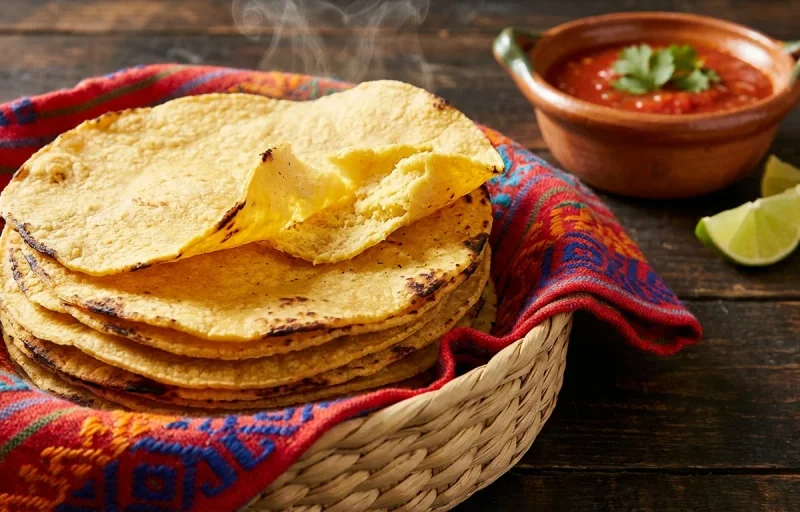
- 4For making tortillas, use a tortilla press lined with plastic for even thickness. Cook on a hot, ungreased comal or cast-iron skillet until puffed and lightly browned.
STORAGE
Keep it fresh.
- Store in a cool, dark, dry place, such as a pantry, in an airtight container to prevent moisture and pests. It can last for up to a year.
- For extended freshness, especially in humid climates, store masa harina in the refrigerator or freezer to prevent the natural oils from going rancid.
FAQ
Frequently asked questions.
What are the nutritional values of masa harina?
Per 100 grams, masa harina contains approximately 365 calories, 7.9 grams of protein, 77.5 grams of carbohydrates, and 2.4 grams of fat. It's a calorie-dense ingredient primarily providing energy from carbohydrates.
Is masa harina suitable for a keto diet?
No, masa harina is not suitable for a ketogenic diet. With approximately 77.5 grams of carbohydrates per 100 grams, it is very high in carbs and would quickly exceed the daily carbohydrate limits for a keto diet.
Is masa harina vegan?
Yes, masa harina is vegan. It is made solely from dried corn kernels that have been cooked and soaked in an alkaline solution (nixtamalized), then ground into a flour. No animal products are used in its production.
What is masa harina primarily used for?
Masa harina is the essential ingredient for making traditional Mexican and Central American dishes. Its primary uses include crafting fresh corn tortillas, tamales, sopes, pupusas, and gorditas, providing their characteristic flavor and texture.
How do you prepare masa harina for making tortillas?
To prepare masa harina for tortillas, you typically mix it with warm water or broth and a pinch of salt. The mixture is kneaded until a soft, pliable dough forms, which is then pressed into thin rounds and cooked on a comal or griddle.
How long does masa harina last?
Unopened masa harina typically lasts for about 6-12 months when stored properly. Once opened, it's best to use it within 3-6 months for optimal freshness and flavor. Always check the 'best by' date on the package.
RECIPES
Cook with masa harina.
10 recipes · sorted by what’s quick