
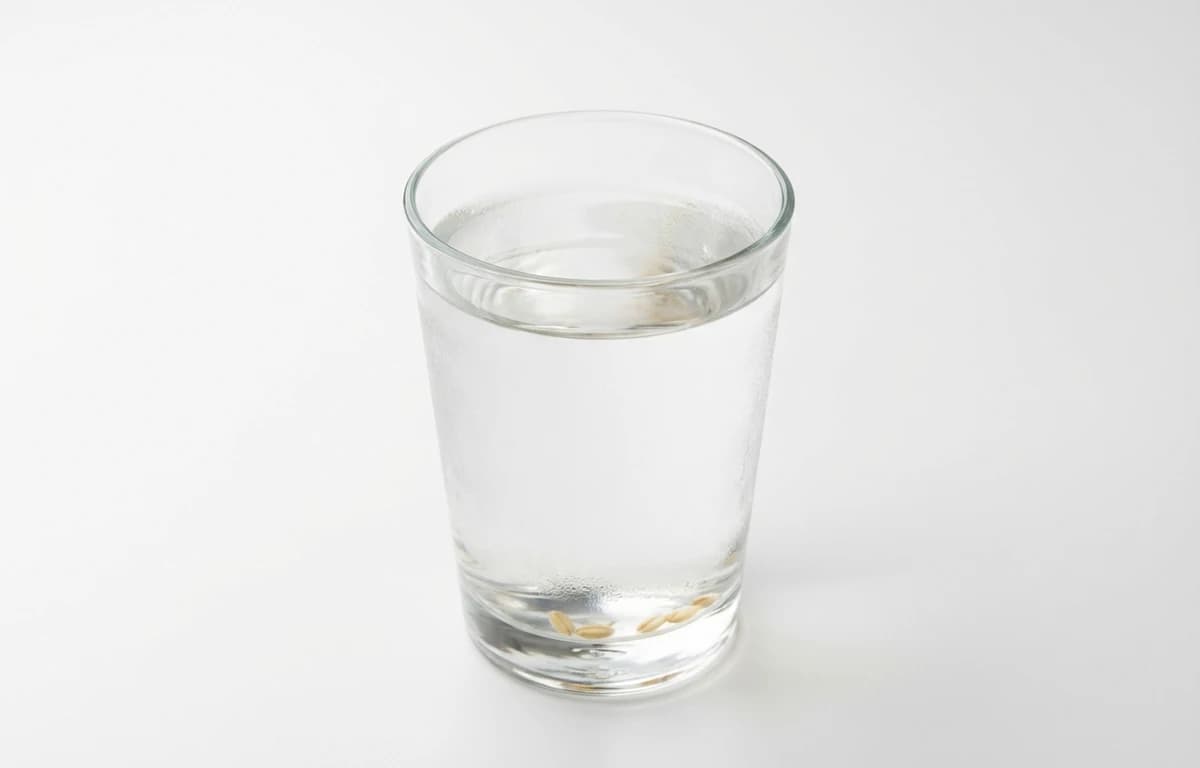
Mash Water
Also known as:
Loading...
Also known as:
Per 100g
Nutrition data source: USDA FoodData Central
Common measurement equivalents in grams
Yes, mash water is essentially water and is vital for overall health. It supports essential bodily functions such as hydration, nutrient transport, and waste removal without adding any calories, fats, or sugars to your diet.
No, mash water contains 0 calories, 0g of protein, 0g of carbohydrates, and 0g of fat per 100g. It is a calorie-free liquid used primarily as a base for cooking, mashing, or brewing processes.
Yes, mash water is an excellent choice for weight loss because it provides necessary hydration with zero caloric intake. Staying well-hydrated can also help regulate appetite and support a healthy metabolism.
Yes, mash water is naturally vegan and gluten-free. It consists of water and does not contain any animal-derived ingredients or grain proteins, making it safe for individuals with celiac disease or those following a plant-based diet.
Absolutely. Since mash water contains zero carbohydrates and zero sugars, it is perfectly suited for ketogenic and other low-carb lifestyles.
In brewing, mash water is used to soak grains to extract fermentable sugars. In general cooking, it refers to the water used to boil or soften vegetables like potatoes before mashing them, acting as a heat conductor and texture modifier.
Yes, regular tap or filtered water is typically what is used to create mash water. However, in professional brewing, the mineral content of the water is often adjusted to specifically influence the enzyme activity and final flavor profile.
Mash Water is a versatile ingredient found in cuisines around the world. With its calories per 100g and valuable grams of protein, it's a nutritious addition to many dishes.
Explore more ingredients in the liquid category with complete nutrition information.
View all liquid →Plain water intended for mashing should be stored in a clean, food-grade sealed container at room temperature or in a cool, dark place. If the water has already been mixed with grains or vegetables, it should be refrigerated and used within 24 hours.
Pure water has an almost indefinite shelf life if kept in a sealed container, though it may lose its freshness over time. Once it has been used in a mashing process with organic materials, it becomes highly perishable and should be processed or consumed quickly.
Yes, temperature is critical depending on the use. In brewing, mash water must be precisely heated (usually between 145°F and 158°F) to activate enzymes. For culinary mashing, using hot water helps maintain the temperature of the food and ensures a smoother consistency.