
Loading...
Per 100g
Nutrition data source: USDA FoodData Central
Common measurement equivalents in grams
Yes, Mati Kaduri Saaga is highly nutritious. It is low in calories and fat while being packed with essential vitamins like A, C, and K, along with minerals like iron and calcium that support overall wellness.
It supports vision and immunity through high Vitamin A and C content. Additionally, its Vitamin K and calcium levels promote bone health, while its iron content is beneficial for healthy blood production.
Absolutely. With only 23 calories per 100g and a high fiber content, it helps you feel full longer without adding significant calories, making it an ideal addition to a weight management diet.
Yes, as a leafy green vegetable, it is naturally vegan and gluten-free. It is a safe and healthy choice for individuals following plant-based or gluten-restricted diets.
Yes, it is very keto-friendly. It contains only 4g of carbohydrates per 100g, much of which is fiber, resulting in a very low net carb count suitable for ketogenic lifestyles.
It is most commonly prepared by sautéing with garlic, onions, and green chilies. It can also be added to lentil dishes (dal) or stir-fried with other vegetables like potatoes or pumpkin for a hearty meal.
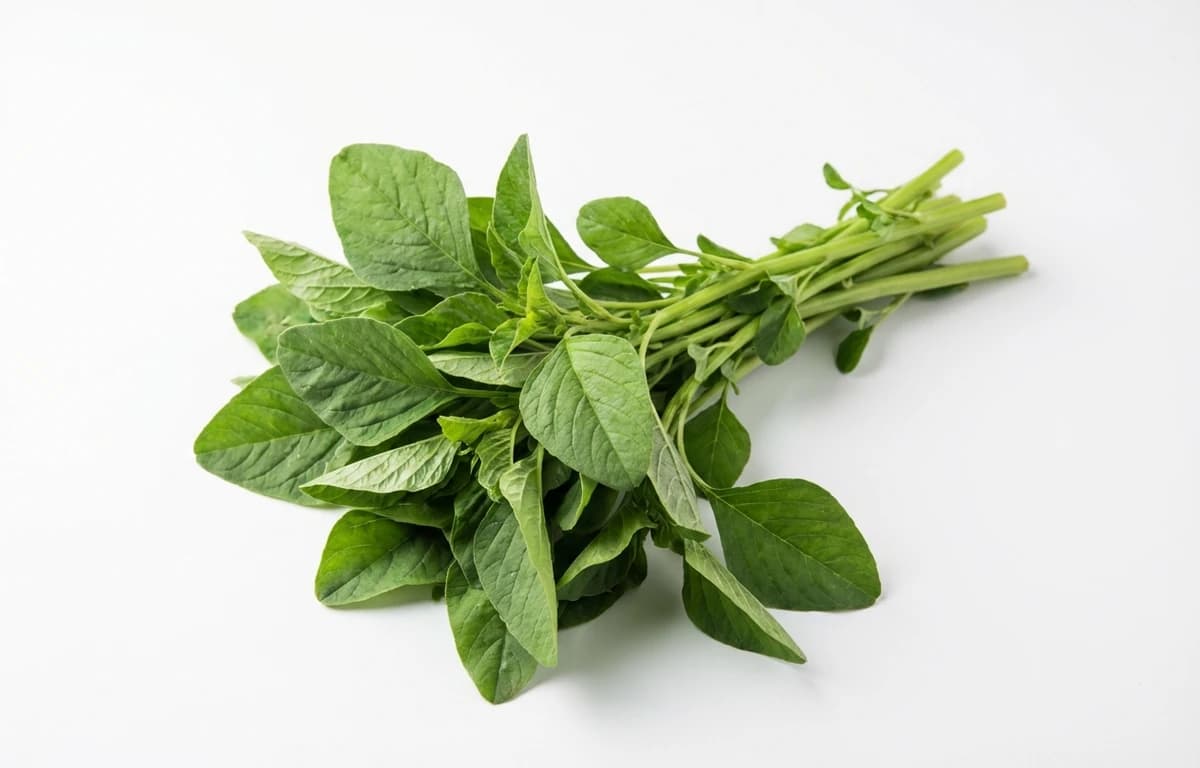
It has a mild, earthy, and slightly sweet flavor, similar to spinach or amaranth leaves. When cooked, the leaves become tender and readily absorb the flavors of the spices used in the dish.
Mati Kaduri Saaga is a versatile ingredient found in cuisines around the world. With 23 calories per 100g and 2.3 grams of protein, it's a nutritious addition to many dishes.
Explore more ingredients in the vegetable category with complete nutrition information.
View all vegetable →Discover 1 recipes featuring mati kaduri saaga with step-by-step instructions.
Browse recipes →Store unwashed leaves in a breathable bag or wrap them in a paper towel inside a container in the refrigerator. For the best taste and nutritional value, it should be consumed within 2 to 3 days.
Fresh leaves should be vibrant green and crisp. If the leaves appear yellow, feel slimy to the touch, or emit a pungent, sour odor, the vegetable has spoiled and should be discarded.
While it can be eaten raw in small amounts, it is traditionally cooked. Lightly cooking the leaves helps reduce oxalate levels and increases the bioavailability of its iron and calcium content.