
Loading...
Per 100g
Nutrition data source: USDA FoodData Central
Common measurement equivalents in grams
Yes, mature spinach is highly nutritious and very healthy. It's an excellent source of vitamins K, A, and C, as well as iron and antioxidants. These nutrients support bone health, blood clotting, vision, and can help lower blood pressure.
Mature spinach is particularly rich in Vitamin K, crucial for bone health and blood clotting. It's also a great source of iron, vital for red blood cell production, and contains antioxidants like lutein and zeaxanthin, which protect eye health. Additionally, its high nitrate content can benefit cardiovascular health.
Per 100 grams, mature spinach is very low in calories, containing approximately 23 calories. It provides about 2.86g of protein, 3.63g of carbohydrates (mostly fiber), and a minimal 0.39g of fat, making it a nutrient-dense, low-calorie vegetable.
Yes, mature spinach is naturally vegan and gluten-free. As a leafy green vegetable, it fits perfectly into plant-based diets and is safe for individuals with celiac disease or gluten sensitivity.
Absolutely, mature spinach is an excellent food choice for people with diabetes. It is very low in carbohydrates and calories, has a low glycemic index, and is packed with fiber and nutrients that can help manage blood sugar levels and support overall health.
Mature spinach is best cooked to reduce its volume and soften its texture. Popular methods include sautéing with garlic and olive oil, steaming, or wilting it into soups, stews, and pasta dishes. Cooking also helps increase the bioavailability of some nutrients like iron and calcium.
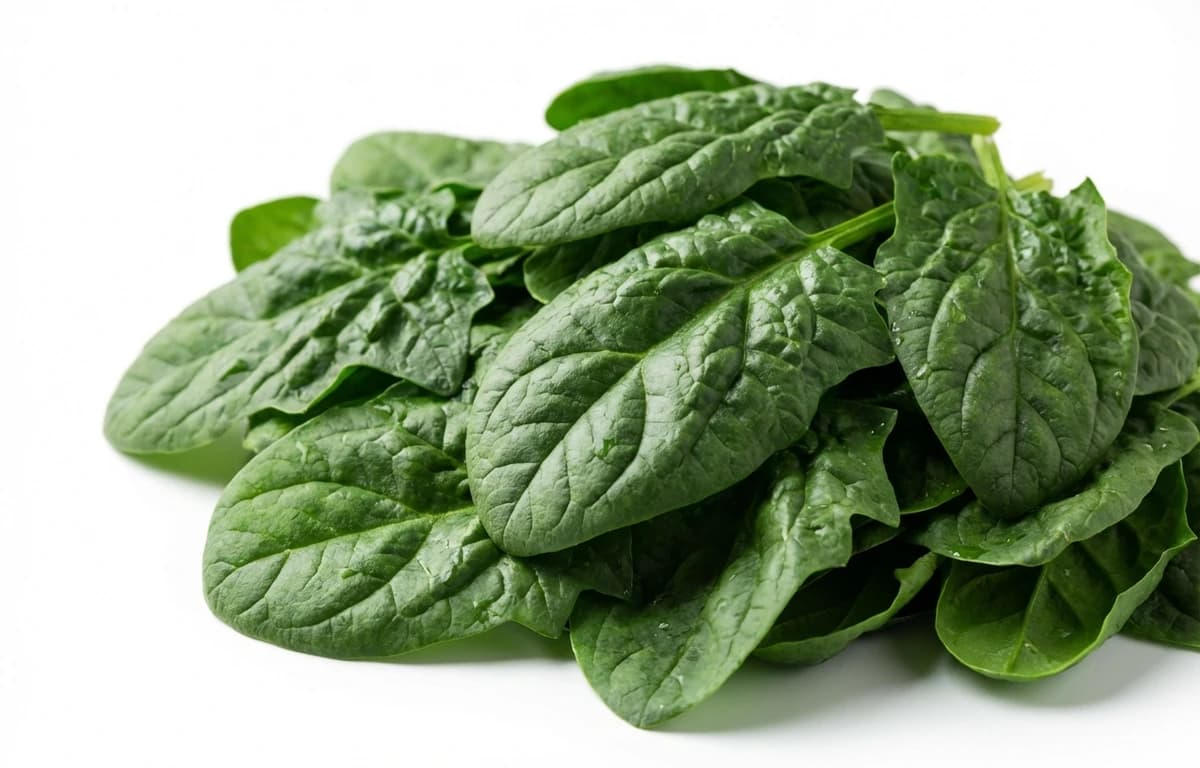
mature spinach is a versatile ingredient found in cuisines around the world. With 23 calories per 100g and 2.86 grams of protein, it's a nutritious addition to many dishes.
Explore more ingredients in the vegetable category with complete nutrition information.
View all vegetable →Discover 0 recipes featuring mature spinach with step-by-step instructions.
Browse recipes →While mature spinach can be eaten raw, its tougher texture and slightly more bitter taste compared to baby spinach make it less ideal for salads. Cooking is generally preferred as it wilts the leaves, making them more palatable and easier to consume in larger quantities.
To keep mature spinach fresh, store it unwashed in a loose plastic bag or wrapped in a damp paper towel in the crisper drawer of your refrigerator. Avoid washing it until just before use, as excess moisture can cause it to spoil faster. It typically lasts 3-7 days.
Mature spinach has larger, thicker leaves and a more robust, slightly bitter, and earthy flavor compared to the milder, sweeter taste of baby spinach. Its texture is also tougher and more fibrous, which is why it's often preferred for cooking rather than raw consumption.
Yes, mature spinach contains oxalates, which can bind with calcium and other minerals, potentially reducing their absorption. For most healthy individuals, this is not a concern. Cooking spinach can help reduce oxalate levels, and consuming a varied diet ensures adequate mineral intake.