
Loading...
Per 100g
Nutrition data source: USDA FoodData Central
Common measurement equivalents in grams
Yes, medium rye flour is considered healthy due to its high dietary fiber content, particularly soluble fiber, which aids digestion and helps regulate blood sugar. It also provides essential minerals like manganese, selenium, and magnesium, and contains beneficial lignans with antioxidant properties.
Per 100g, medium rye flour contains approximately 349 calories, 10.88g of protein, 75.43g of carbohydrates, and 1.52g of fat. It is also a good source of dietary fiber, contributing to digestive health and satiety.
Yes, medium rye flour can be beneficial for weight management. Its high fiber content promotes satiety, helping you feel fuller for longer and potentially reducing overall calorie intake. This can assist in controlling appetite and supporting weight loss efforts.
No, medium rye flour is not gluten-free. Rye contains gluten, though it is a different type of gluten than that found in wheat. Therefore, it is not suitable for individuals with celiac disease or a gluten sensitivity.
Yes, medium rye flour can be a good choice for people with diabetes in moderation. Its high soluble fiber content helps slow down sugar absorption, which can contribute to more stable blood glucose levels compared to highly refined flours. Always consult with a healthcare professional for personalized dietary advice.
Medium rye flour has a distinct, slightly sour, and robust flavor that is less intense than dark rye but more pronounced than light rye. It's excellent for baking traditional rye breads, sourdoughs, and dense loaves, often blended with wheat flour to improve texture.
medium rye flour is a versatile ingredient found in cuisines around the world. With 349 calories per 100g and 10.88 grams of protein, it's a nutritious addition to many dishes.
Explore more ingredients in the grain category with complete nutrition information.
View all grain →Discover 0 recipes featuring medium rye flour with step-by-step instructions.
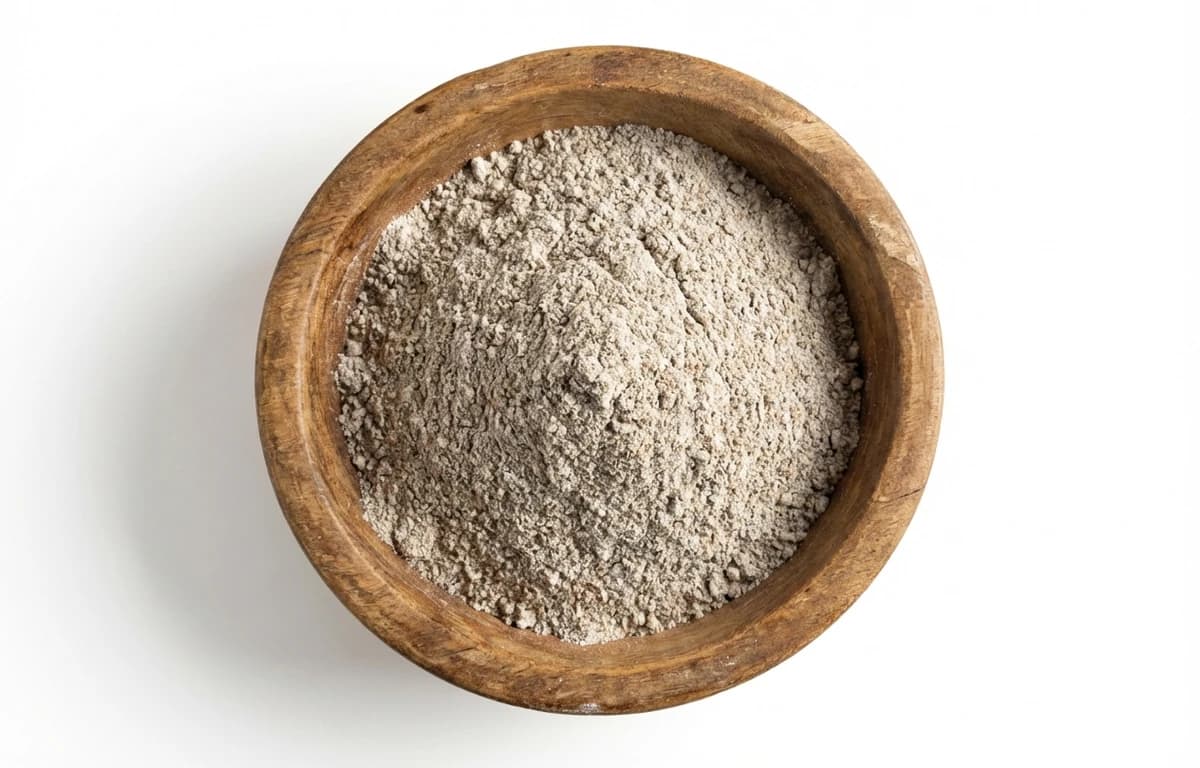
Browse recipes →Medium rye flour is milled to remove some of the bran and germ, making it lighter in color and milder in flavor than dark rye flour, which contains more of the outer layers. It has a higher protein and fiber content than light rye flour, which is more refined.
To maintain freshness, medium rye flour should be stored in an airtight container in a cool, dry, and dark place. For longer shelf life, especially in warmer climates, it can be stored in the refrigerator or freezer, which helps prevent rancidity and insect infestation.
While medium rye flour can be used in baking, it cannot be directly substituted for wheat flour in equal amounts in most recipes. Rye flour has lower gluten-forming proteins, resulting in denser, less elastic dough. It's often combined with strong wheat flour to achieve a better rise and texture.
No, medium rye flour is not considered a whole grain flour because some of the bran and germ are removed during the milling process. While it retains more nutrients and fiber than highly refined light rye flour, it does not contain all parts of the rye kernel.