
Loading...
Per 100g
Nutrition data source: USDA FoodData Central
Common measurement equivalents in grams
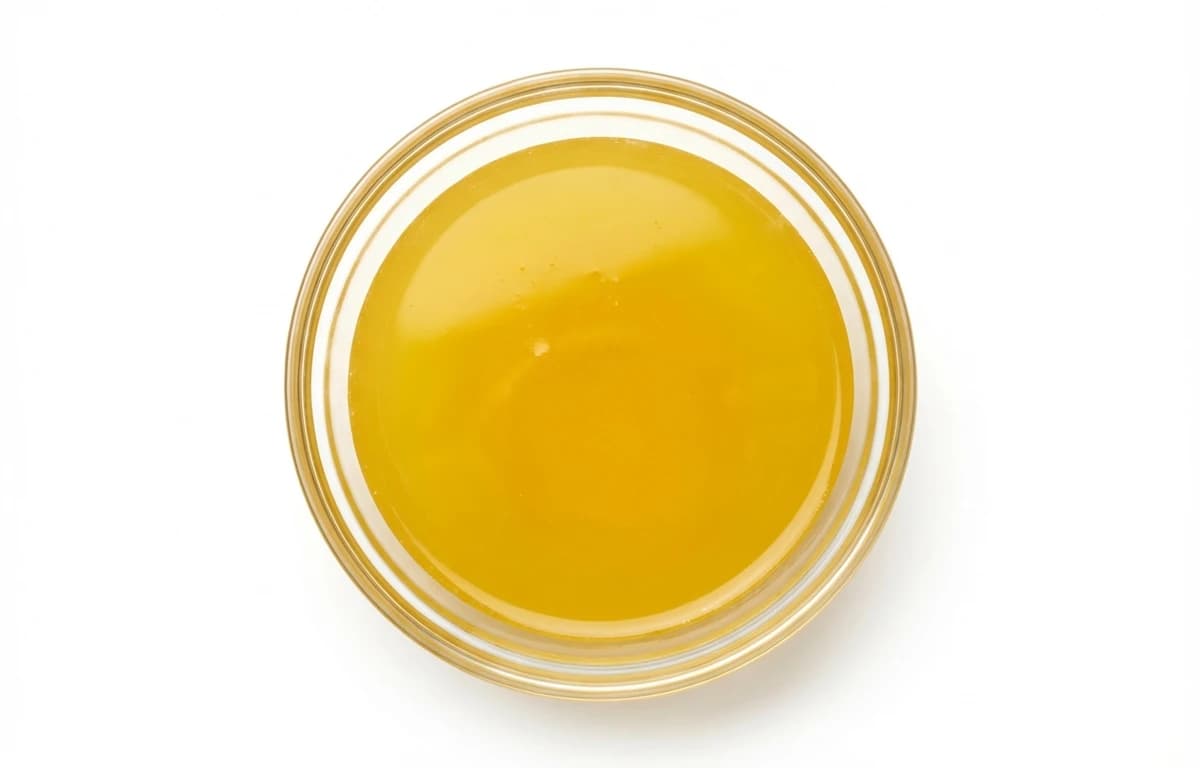
Melted unsalted butter is a rich source of fat-soluble vitamins A, D, E, and K, and contains butyrate, which supports gut health. While it provides concentrated energy and beneficial fatty acids like CLA, it is high in saturated fat and should be consumed in moderation as part of a balanced diet.
100g of melted unsalted butter contains approximately 717 calories and 81.11g of fat. It is very low in protein (0.85g) and carbohydrates (0.06g), making it a dense source of dietary fat and energy.
Yes, melted unsalted butter is highly keto-friendly because it is almost entirely composed of fat with negligible carbohydrates. It is a staple in ketogenic diets for increasing fat intake and providing sustained energy through healthy fats.
No, melted unsalted butter is not vegan as it is a dairy product derived from cow's milk. For a vegan alternative, you can use melted coconut oil or plant-based butter substitutes that mimic the fat content and texture.
Butter contains only trace amounts of lactose because most of the milk solids are removed during the churning process. While many people with mild lactose intolerance can tolerate it, those with severe sensitivities should use clarified butter (ghee) which has all milk solids removed.
Yes, you can usually substitute melted butter for oil in a 1:1 ratio. Butter adds a richer flavor and a more tender crumb to baked goods like cakes and muffins, though the final texture may be slightly denser than when using oil.
Melted Unsalted Butter is a versatile ingredient found in cuisines around the world. With 717 calories per 100g and 0.85 grams of protein, it's a nutritious addition to many dishes.
Explore more ingredients in the dairy product category with complete nutrition information.
View all dairy product →Discover 1 recipes featuring melted unsalted butter with step-by-step instructions.
Browse recipes →Melted butter still contains water and milk solids, which can burn at high temperatures. Clarified butter is melted butter that has been simmered to remove the water and milk solids, resulting in a higher smoke point and a longer shelf life.
Melted butter should be stored in an airtight container in the refrigerator, where it will solidify and last for 1-2 weeks. If left at room temperature, it should be used within a few hours to prevent the milk solids from spoiling.
Unsalted butter allows the cook to have complete control over the salt content of a dish. This is especially important in baking, where precise measurements are needed to ensure the flavor balance and chemical reactions are consistent.
Yes, you can freeze melted butter in airtight containers or ice cube trays for easy portioning. It will stay fresh in the freezer for up to 6-9 months; simply thaw it in the refrigerator or gently reheat it when you are ready to use it again.