dairy1 recipes
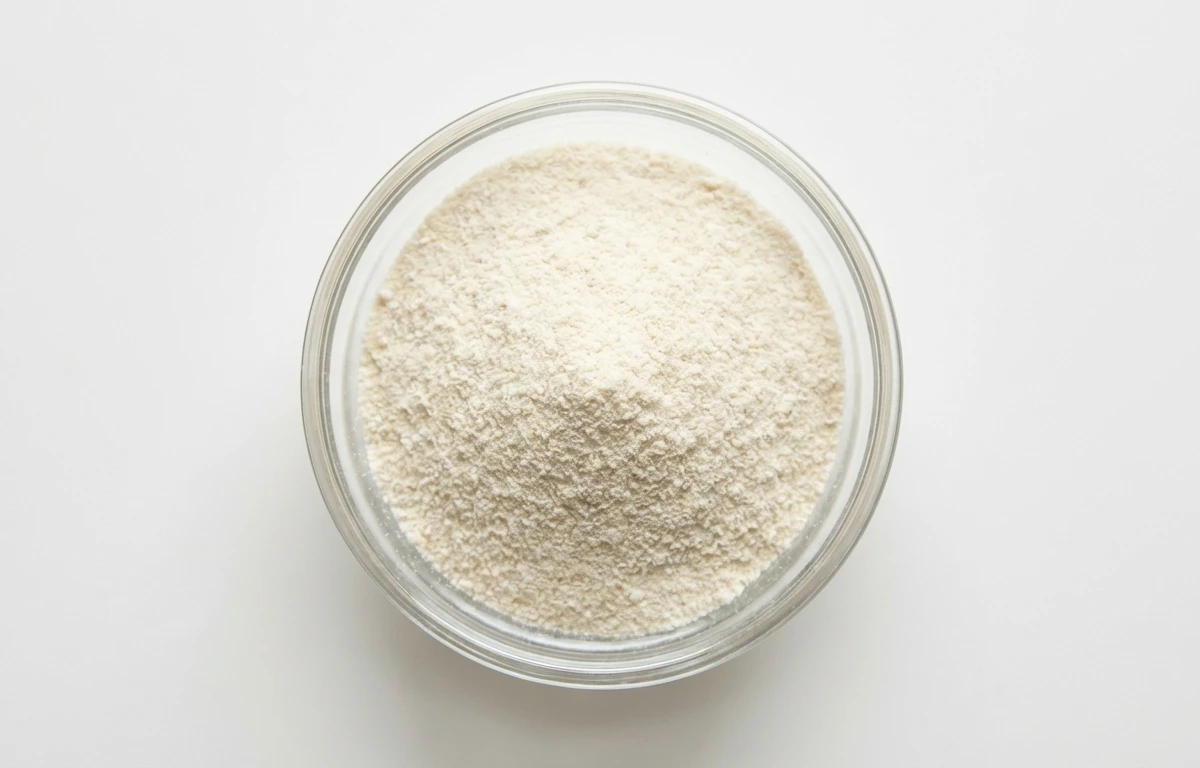
mesophilic direct-set culture.
VegetarianVeganGluten-freeDairy-freeNut-freePeanut-freeSoy-freeEgg-freeShellfish-freeHoney-freeAlcohol-freeFermented
ALSO KNOWN AS
mesophilic startermeso culturedirect set mesophilic starter
SERVING
CALORIES
360
PROTEIN
2.0g
CARBS
88g
FAT
0.10g
FIBER
0g
NUTRITION PROFILE · per 100 g
Everything in this ingredient.
MACRONUTRIENTS
Calories360kcal—
Protein2.0g4%
Carbohydrates88g32%
Fiber0g0%
Sugar85g170%
Total fat0.10g0%
Saturated fat0g0%
Trans fat0g—
Cholesterol2.0mg1%
Water3.0g—
MINERALS
Sodium50mg2%
Potassium150mg3%
Calcium120mg9%
Iron0.10mg1%
Magnesium10mg2%
Phosphorus90mg7%
Zinc0.10mg1%
Copper0.01mg1%
Manganese0.01mg0%
Selenium1.0µg2%
VITAMINS
Vitamin A0µg0%
Vitamin C0mg0%
Vitamin D0µg0%
Vitamin E0mg0%
Vitamin K0µg0%
Thiamin (B1)0.05mg4%
Riboflavin (B2)0.20mg15%
Niacin (B3)0.10mg1%
Pantothenic acid (B5)0.30mg6%
Vitamin B60.05mg3%
Folate (B9)5.0µg1%
Vitamin B120.50µg21%
%DV based on a 2,000 cal diet. Source: USDA FoodData Central. A dash in the %DV column means there’s no established Daily Value for that nutrient.
MEASUREMENT CONVERSIONS
How much is what.
1 cup150g
1 tablespoon9g
1 teaspoon3g
1 oz28.4g
1 lb453.6g
1 ml0.6g
HEALTH BENEFITS
Why eat it.
- ✓Contains beneficial probiotic bacteria
- ✓Essential for the fermentation of lactose
- ✓Helps in the preservation of dairy products
- ✓Contributes to the development of cheese flavor
- ✓Aids in the breakdown of milk proteins
COOKING TIPS
In the kitchen.
- 1Sprinkle on the surface of milk and let rehydrate for 2-5 minutes before stirring
- 2Do not heat above 102°F (39°C) as it may kill the mesophilic bacteria
- 3Use precise measurements as these cultures are highly concentrated
STORAGE
Keep it fresh.
- Store in the freezer for maximum shelf life (up to 2 years)
- Keep in an airtight container to prevent moisture absorption
- Avoid frequent temperature fluctuations
FAQ
Frequently asked questions.
What is mesophilic direct-set culture used for?
Mesophilic direct-set culture is primarily used to ferment dairy products such as cheese (e.g., cheddar, gouda), sour cream, and buttermilk. It contains specific bacterial strains that thrive at moderate temperatures, typically between 70-77°F (21-25°C), to convert lactose into lactic acid.
What are the health benefits associated with foods made using mesophilic direct-set culture?
Foods made with mesophilic direct-set culture are often rich in probiotics, which support gut health and digestion. The fermentation process also breaks down lactose, potentially making these dairy products easier to digest for individuals with lactose sensitivity. Additionally, it can enhance the bioavailability of certain nutrients like calcium and B vitamins.
How much protein or calories are in mesophilic direct-set culture?
The culture itself contains approximately 350 calories, 35g protein, 51g carbohydrates, and 1g fat per 100g. However, only a very small amount (typically less than 1 gram) is used per batch of food, so its nutritional contribution to the final fermented product is negligible.
Is mesophilic direct-set culture vegan or vegetarian?
Mesophilic direct-set cultures are generally vegetarian, as they are often propagated using dairy-based media. They are typically not considered vegan because they contain or are produced using milk solids. Always check the specific product label for detailed allergen and ingredient information.
Is mesophilic direct-set culture gluten-free?
Yes, most mesophilic direct-set cultures are naturally gluten-free. They are typically composed of bacterial strains and a carrier medium, such as dextrose or milk powder, which do not contain gluten. However, it's always recommended to verify the specific product's allergen statement for complete assurance.
How do you use mesophilic direct-set culture to make fermented foods?
To use, the culture is typically sprinkled directly onto milk (or another base) that has been heated and cooled to the appropriate moderate temperature (e.g., 70-77°F or 21-25°C). It's then allowed to ferment for several hours, during which the bacteria convert lactose into lactic acid, thickening the milk and developing flavor.
How should mesophilic direct-set culture be stored?
For optimal longevity and to maintain the viability of the bacterial strains, mesophilic direct-set cultures should be stored in the freezer. This cold environment helps preserve their activity and extends their shelf life significantly.
How long does mesophilic direct-set culture last?
When stored properly in the freezer, mesophilic direct-set cultures can remain viable and effective for 12-24 months, often even beyond the printed 'best by' date. Once opened, it's best to use the packet relatively quickly or reseal it tightly and return it to the freezer to prevent moisture exposure.
What is the difference between mesophilic and thermophilic cultures?
The primary difference lies in their preferred temperature range for activity. Mesophilic cultures thrive at moderate temperatures (around 70-77°F or 21-25°C) and are used for products like cheddar cheese and sour cream. Thermophilic cultures prefer higher temperatures (around 100-115°F or 38-46°C) and are used for yogurts and cheeses like mozzarella.
Can foods made with mesophilic direct-set culture be consumed by individuals with lactose intolerance?
Yes, the fermentation process performed by mesophilic cultures significantly reduces the lactose content in milk. This breakdown of lactose can make the resulting fermented dairy products, such as many types of cheese and sour cream, much easier to digest for individuals with lactose sensitivity.
RECIPES
Cook with mesophilic direct-set culture.
1 recipes · sorted by what’s quick