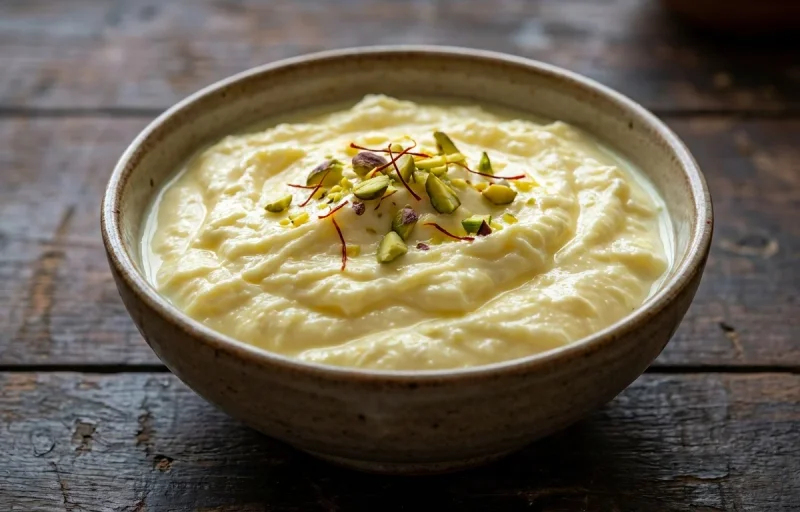
Dairy10 recipes
milk cream.
VegetarianVeganGluten-freeDairy-freeNut-freePeanut-freeSoy-freeEgg-freeShellfish-freeHoney-freeAlcohol-free
ALSO KNOWN AS
fresh creammalai
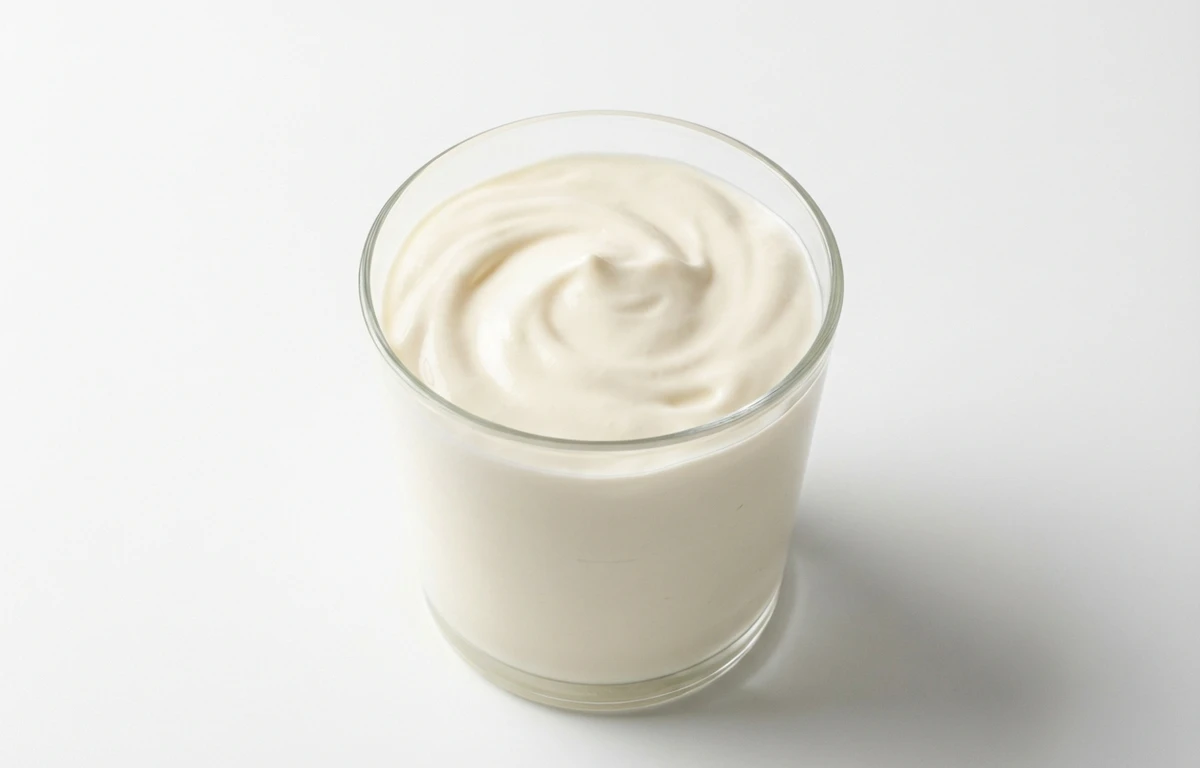
SERVING
CALORIES
345
PROTEIN
2.2g
CARBS
3.2g
FAT
36.1g
FIBER
0g
NUTRITION PROFILE · per 100 g
Everything in this ingredient.
MACRONUTRIENTS
Calories345kcal—
Protein2.2g4%
Carbohydrates3.2g1%
Fiber0g0%
Sugar3.2g6%
Total fat36.1g46%
Saturated fat23g115%
Trans fat0g—
Cholesterol120mg40%
Water58.5g—
MINERALS
Sodium36mg2%
Potassium104mg2%
Calcium79mg6%
Iron0.04mg0%
Magnesium7.0mg2%
Phosphorus65mg5%
Zinc0.20mg2%
VITAMINS
Vitamin A337µg37%
Vitamin C0.90mg1%
Vitamin D0.50µg3%
Vitamin K1.0µg1%
Thiamin (B1)2.0mg167%
Riboflavin (B2)0.10mg8%
Niacin (B3)0.04mg0%
Vitamin B60.01mg1%
%DV based on a 2,000 cal diet. Source: USDA FoodData Central. A dash in the %DV column means there’s no established Daily Value for that nutrient.
MEASUREMENT CONVERSIONS
How much is what.
1 cup245g
1 tablespoon15g
1 teaspoon5g
1 ml1g
1 liter1000g
HEALTH BENEFITS
Why eat it.
- ✓Rich source of fat-soluble vitamins like A, D, E, and K, which are crucial for vision, bone health, and immune function.
- ✓Provides a concentrated source of energy due to its high content of milk fat.
- ✓Contains calcium and phosphorus, essential minerals for building and maintaining strong bones and teeth.
- ✓The fat in cream aids in the absorption of fat-soluble vitamins from other foods consumed in the same meal.
COOKING TIPS
In the kitchen.
- 1For stable whipped cream, ensure the cream, bowl, and beaters are well-chilled before whipping.
- 2To prevent curdling when adding to hot dishes like soups or sauces, temper the cream by slowly whisking a small amount of the hot liquid into it before incorporating it back into the main pot.
- 3Use higher-fat creams (heavy or whipping cream) for sauces that require simmering or boiling, as they are more stable and less likely to break than lower-fat options like light cream or half-and-half.
- 4Cream adds richness, a velvety texture, and balances acidity in a wide range of savory and sweet dishes, from pasta sauces to custards.
STORAGE
Keep it fresh.
- Store cream in its original, tightly sealed container in the coldest part of the refrigerator (not the door), typically below 40°F (4°C).
- Use fresh cream within 5-7 days of opening. Ultra-pasteurized cream has a longer shelf life before opening but should be used promptly after.
- Heavy cream can be frozen for up to two months; however, its texture may separate upon thawing, making it better suited for cooking and baking rather than whipping.
FAQ
Frequently asked questions.
Is milk cream healthy?
Milk cream is a rich source of fat-soluble vitamins (A, D, E, K) and provides concentrated energy. It also contains calcium and phosphorus for bone health. However, due to its high fat and calorie content, it should be consumed in moderation as part of a balanced diet.
What are the main nutritional facts for milk cream?
Per 100g, milk cream typically contains around 345 calories, 2.2g of protein, 3.2g of carbohydrates, and a significant 36.1g of fat. It's primarily a source of dietary fat and energy.
Is milk cream good for weight loss?
Due to its high calorie and fat content, milk cream is generally not considered ideal for weight loss. While it can provide satiety, excessive consumption can easily lead to a calorie surplus, hindering weight loss efforts.
Is milk cream vegan?
No, milk cream is not vegan. It is a dairy product derived from animal milk, making it unsuitable for a vegan diet.
Is milk cream lactose-free?
No, milk cream is not lactose-free. As a dairy product, it contains lactose, the natural sugar found in milk. Individuals with lactose intolerance may experience digestive discomfort.
Is milk cream keto-friendly?
Yes, milk cream can be keto-friendly. It is high in fat and very low in carbohydrates, making it suitable for ketogenic diets where the goal is to consume high fat, moderate protein, and very low carbs.
What are common culinary uses for milk cream?
Milk cream is incredibly versatile in cooking. It's widely used to enrich sauces, soups, and stews, add richness to desserts like custards and ice cream, and is a key ingredient in whipped cream for toppings.
Can milk cream be whipped?
Yes, milk cream can be whipped, especially varieties with a higher fat content (like heavy cream or whipping cream). The fat globules in the cream trap air, creating a light, airy foam perfect for desserts and garnishes.
How should milk cream be stored?
Milk cream should always be stored in the refrigerator at or below 40°F (4°C). Keep it in its original, tightly sealed container to prevent absorption of odors and extend its shelf life, typically up to a week after opening.
Can you freeze milk cream?
Yes, you can freeze milk cream, but its texture may change upon thawing, becoming slightly grainy or separated. It's best used in cooked dishes like soups or sauces after freezing, rather than for whipping or fresh applications.
RECIPES
Cook with milk cream.
10 recipes · sorted by what’s quick