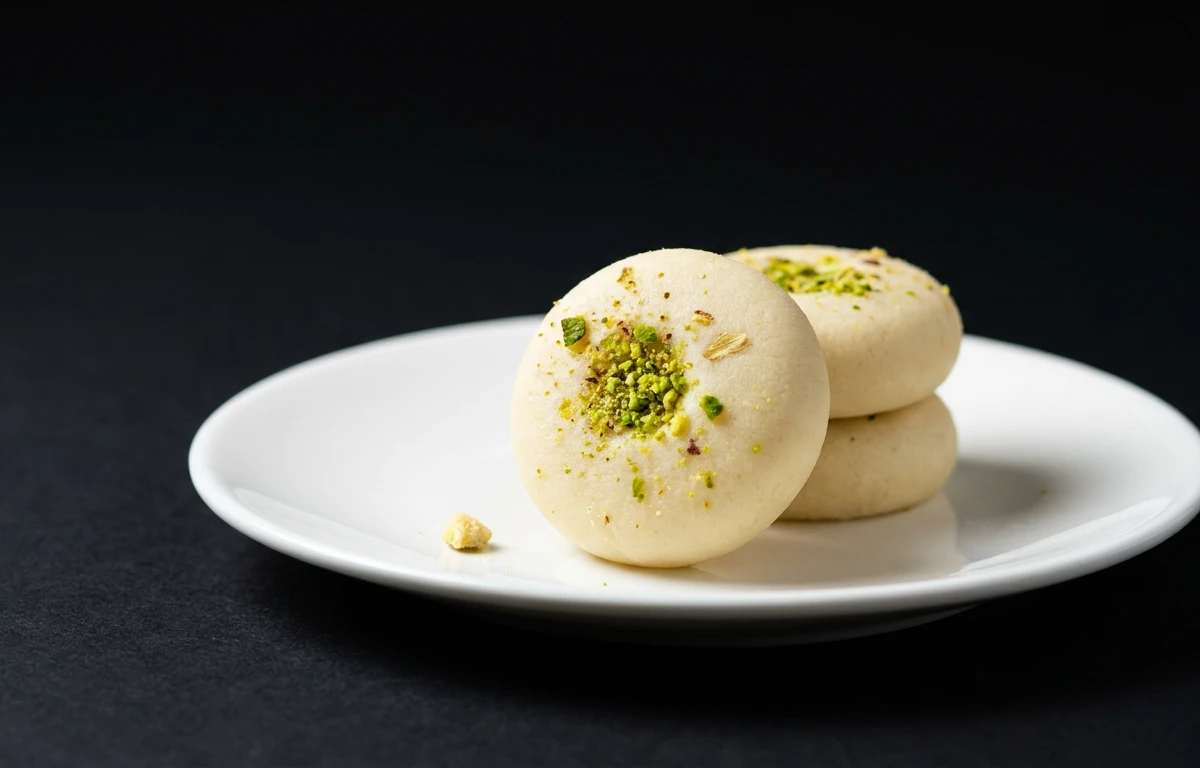
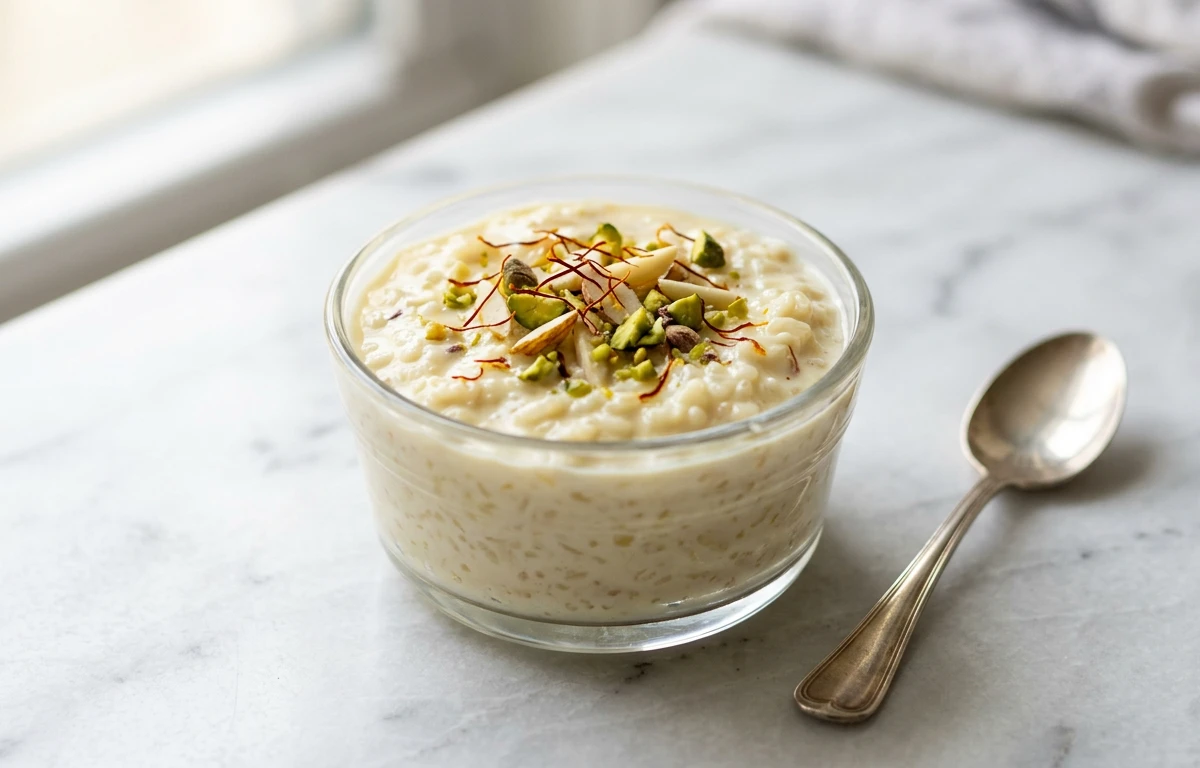
Dairy7 recipes
milk powder.
VegetarianVeganGluten-freeDairy-freeNut-freePeanut-freeSoy-freeEgg-freeShellfish-freeHoney-freeAlcohol-free
ALSO KNOWN AS
powdered milkdry milkdudh powder
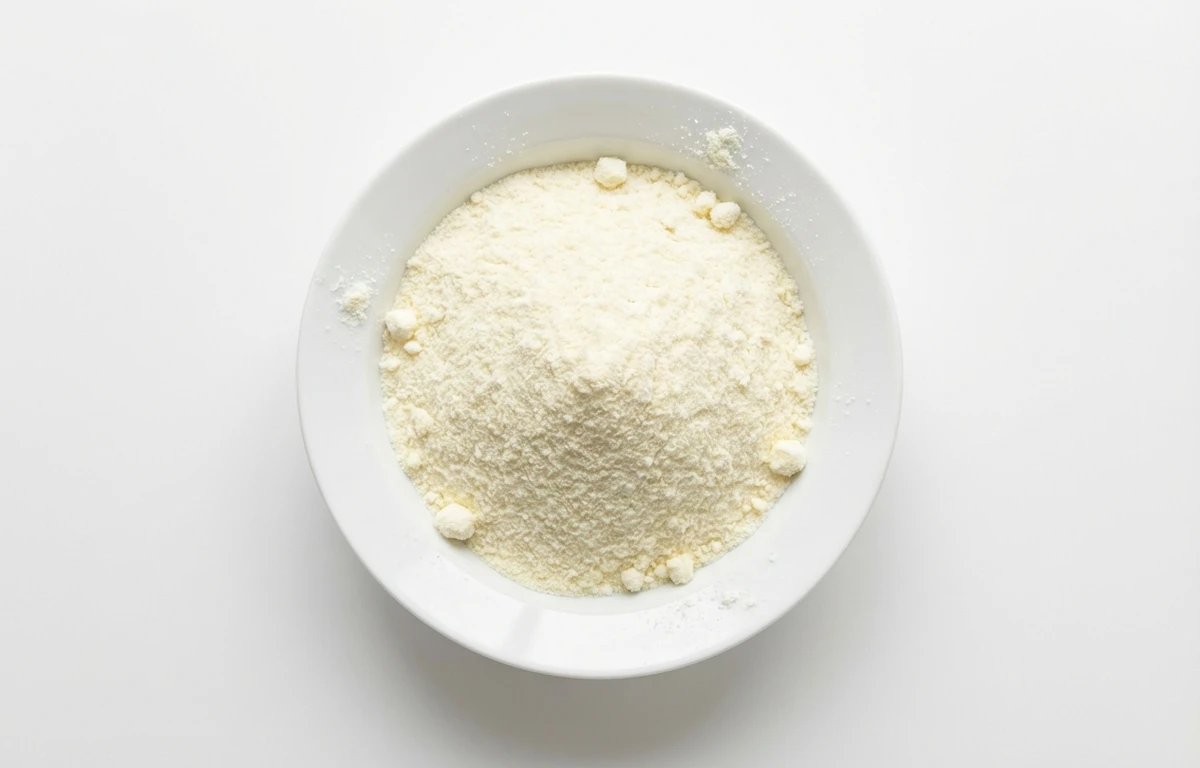
SERVING
CALORIES
496
PROTEIN
25.8g
CARBS
38g
FAT
26.7g
FIBER
0g
NUTRITION PROFILE · per 100 g
Everything in this ingredient.
MACRONUTRIENTS
Calories496kcal—
Protein25.8g52%
Carbohydrates38g14%
Fiber0g0%
Sugar38g76%
Total fat26.7g34%
Saturated fat16.5g83%
Cholesterol86mg29%
Water2.5g—
MINERALS
Sodium371mg16%
Potassium1150mg24%
Calcium909mg70%
Iron0.20mg1%
Magnesium103mg25%
Phosphorus825mg66%
Zinc3.5mg32%
Copper0.08mg9%
Manganese0.03mg1%
Selenium12µg22%
VITAMINS
Vitamin A260µg29%
Vitamin C4.2mg5%
Vitamin D1.3µg7%
Vitamin E0.15mg1%
Vitamin K0.80µg1%
Thiamin (B1)0.35mg29%
Riboflavin (B2)1.6mg123%
Niacin (B3)0.90mg6%
Pantothenic acid (B5)3.5mg70%
Vitamin B60.30mg18%
Folate (B9)40µg10%
Vitamin B122.5µg104%
%DV based on a 2,000 cal diet. Source: USDA FoodData Central. A dash in the %DV column means there’s no established Daily Value for that nutrient.
MEASUREMENT CONVERSIONS
How much is what.
1 cup128g
1 tablespoon8g
1 teaspoon2.7g
1 ml0.6g
1 liter533.3g
HEALTH BENEFITS
Why eat it.
- ✓Concentrated source of calcium and phosphorus, essential for building and maintaining strong bones and teeth.
- ✓Provides high-quality complete protein, containing all essential amino acids needed for muscle repair, growth, and overall body function.
- ✓Rich in B vitamins, particularly B12 and riboflavin, which are crucial for energy metabolism and red blood cell formation.
- ✓Fortified versions are an excellent source of Vitamin D, which aids in calcium absorption and supports immune function.
COOKING TIPS
In the kitchen.
- 1To reconstitute into liquid milk, gradually whisk the powder into cold water to prevent lumps. Using a blender creates the smoothest consistency.
- 2Add directly to baked goods like breads, cookies, and cakes to enrich flavor, enhance browning, and create a softer texture.
- 3Incorporate into smoothies, soups, or sauces as a thickener and to boost protein and creaminess without adding excess liquid.
- 4Use as a convenient, shelf-stable coffee or tea creamer, especially useful for travel, camping, or emergency food supplies.
STORAGE
Keep it fresh.
- Store in a cool, dark, and dry place in an airtight container to prevent moisture absorption and clumping.
- Once opened, it is best to use within 3 months for optimal flavor and nutritional quality, though it can remain safe for much longer if stored properly.
FAQ
Frequently asked questions.
Is milk powder healthy?
Yes, milk powder is a concentrated source of essential nutrients. It's rich in calcium and phosphorus for bone health, high-quality protein for muscle repair, and B vitamins for energy metabolism. Fortified versions also provide Vitamin D, aiding calcium absorption and immune function.
What are the nutritional values of milk powder?
Per 100g, milk powder contains approximately 496 calories, 25.8g of protein, 38g of carbohydrates, and 26.7g of fat. It also provides significant amounts of calcium, phosphorus, and B vitamins, making it a nutrient-dense ingredient.
Is milk powder good for weight loss?
Milk powder is calorie-dense due to its concentrated nature, so it should be consumed in moderation if you're aiming for weight loss. However, its high protein content can contribute to satiety, which may help manage appetite when incorporated into a balanced diet.
Is milk powder vegan?
No, milk powder is not vegan. It is a dairy product made from cow's milk, making it unsuitable for a vegan diet. Plant-based milk powders, such as soy or oat milk powder, are available as vegan alternatives.
Is milk powder lactose-free?
No, regular milk powder contains lactose, the natural sugar found in milk. Individuals with lactose intolerance should look for specialized lactose-free milk powders or dairy-free alternatives.
Can diabetics consume milk powder?
Diabetics can consume milk powder in moderation, but they should be mindful of its carbohydrate content (38g per 100g) as it contains lactose, a sugar. It's best to consult a healthcare professional or dietitian for personalized dietary advice to manage blood sugar levels.
How do I reconstitute milk powder for drinking or cooking?
To reconstitute, typically mix 1 part milk powder with 3-4 parts water, adjusting to desired consistency. For best results, add the powder to a small amount of warm water first to make a smooth paste, then gradually add the remaining cold water and whisk thoroughly.
What are common uses for milk powder in cooking and baking?
Milk powder is highly versatile and used to enrich flavor and texture in baked goods like bread, cakes, and cookies. It can also be added to smoothies, sauces, soups, homemade chocolates, or simply reconstituted as a beverage when fresh milk is unavailable.
How should milk powder be stored to maintain freshness?
Milk powder should be stored in an airtight container in a cool, dry, dark place, away from direct sunlight and moisture. Proper storage prevents clumping, oxidation, and helps preserve its quality and extend its shelf life.
How long does milk powder typically last?
Unopened, milk powder can last for 1-2 years beyond its best-by date if stored correctly. Once opened, it's best to use it within 3-6 months for optimal freshness and quality, though it may remain safe to consume longer if properly sealed.
RECIPES
Cook with milk powder.
7 recipes · sorted by what’s quick