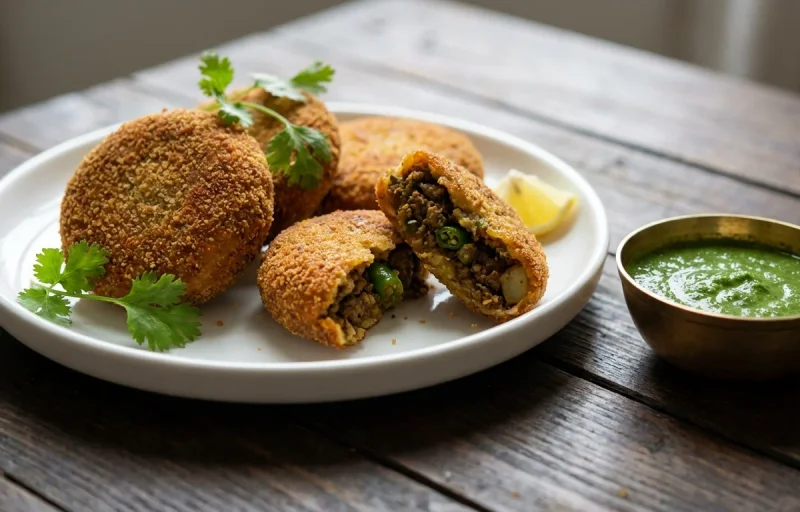
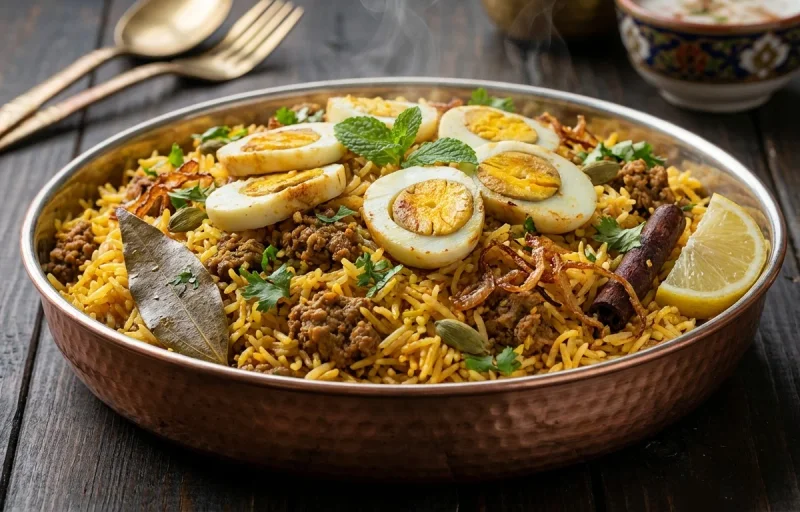
Other1 recipes
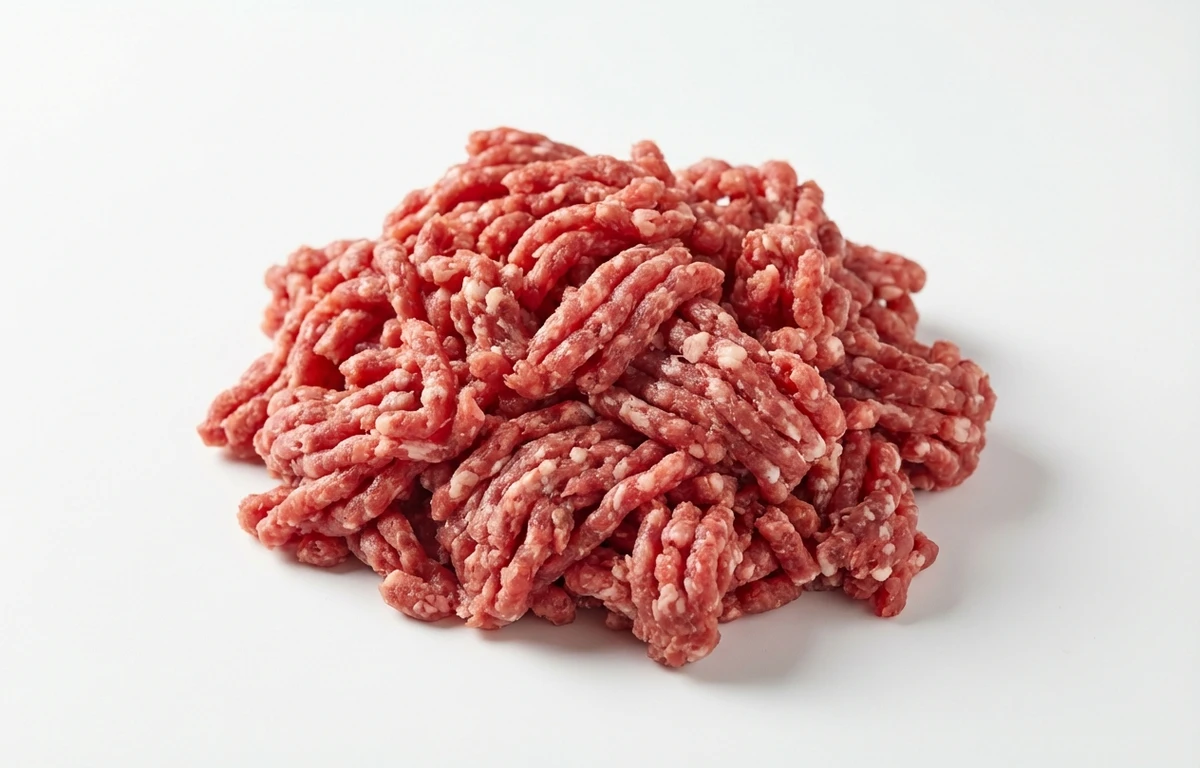
minced meat.
VegetarianVeganGluten-freeDairy-freeNut-freePeanut-freeSoy-freeEgg-freeShellfish-freeHoney-freeAlcohol-free
ALSO KNOWN AS
ground meatmince meatkeema
SERVING
CALORIES
254
PROTEIN
17.1g
CARBS
0g
FAT
20.3g
FIBER
0g
This ingredient is flagged as naturally gluten-free. Per 100 g, it provides 1.1 µg of vitamin K.
NUTRITION PROFILE · per 100 g
Everything in this ingredient.
MACRONUTRIENTS
Calories254kcal—
Protein17.1g34%
Carbohydrates0g0%
Fiber0g0%
Sugar0g0%
Total fat20.3g26%
Saturated fat7.9g40%
Cholesterol79mg26%
Water62.3g—
MINERALS
Sodium72mg3%
Potassium270mg6%
Calcium18mg1%
Iron2.2mg12%
Magnesium21mg5%
Phosphorus190mg15%
Zinc4.8mg44%
Copper0.08mg9%
Manganese0.01mg0%
Selenium21µg38%
VITAMINS
Vitamin A0µg0%
Vitamin C0mg0%
Vitamin D0.10µg1%
Vitamin E0.10mg1%
Vitamin K1.1µg1%
Thiamin (B1)0.05mg4%
Riboflavin (B2)0.18mg14%
Niacin (B3)4.5mg28%
Pantothenic acid (B5)0.40mg8%
Vitamin B60.25mg15%
Folate (B9)6.0µg2%
Vitamin B122.6µg108%
%DV based on a 2,000 cal diet. Source: USDA FoodData Central. A dash in the %DV column means there’s no established Daily Value for that nutrient.
MEASUREMENT CONVERSIONS
How much is what.
1 cup230g
1 tablespoon14g
1 teaspoon5g
1 ml1g
1 liter933.3g
HEALTH BENEFITS
Why eat it.
- ✓Excellent source of high-quality complete protein, essential for muscle building and repair.
- ✓Provides significant amounts of Vitamin B12, crucial for nerve function and the formation of red blood cells.
COOKING TIPS
In the kitchen.
- 1For best flavor, brown the meat in a hot pan until a dark crust forms (Maillard reaction) before adding liquids or other ingredients.
- 2Break up the meat with a spatula or wooden spoon as it cooks to ensure it browns evenly and doesn't form large clumps.
- 3After browning, drain off excess rendered fat for a leaner final dish, particularly if using a mince with a higher fat content.
- 4When making patties or meatballs, handle the meat as little as possible to avoid a tough and dense texture.
STORAGE
Keep it fresh.
- Refrigerate immediately at or below 40°F (4°C) in its original packaging and use within 1-2 days.
- For longer storage, freeze for up to 3-4 months. Wrap tightly in plastic wrap or a freezer bag to prevent freezer burn.
- Thaw frozen minced meat safely in the refrigerator, not on the counter, to minimize bacterial growth.
FAQ
Frequently asked questions.
How much protein and calories are in minced meat?
Per 100g, minced meat typically contains around 17.1g of protein and approximately 254 calories. The exact values can vary based on the type of meat (e.g., beef, pork, lamb) and its lean-to-fat ratio.
Is minced meat gluten-free?
Yes, plain minced meat is naturally gluten-free. However, always check the label if you're buying pre-seasoned or pre-prepared minced meat products, as some may contain gluten-containing additives or fillers.
Is minced meat keto-friendly?
Yes, minced meat is very keto-friendly. It contains 0g of carbohydrates per 100g and is a good source of fat (20.3g per 100g) and protein, making it an excellent staple for a ketogenic diet.
How do you cook minced meat safely?
To cook minced meat safely, brown it thoroughly in a pan over medium-high heat, breaking it up with a spoon, until no pink remains and it reaches an internal temperature of 160°F (71°C). Drain any excess fat if desired, then incorporate it into your dish.
What are common uses for minced meat?
Minced meat is incredibly versatile and used in a wide array of dishes. Popular uses include meatballs, meatloaf, tacos, chili, Bolognese sauce, shepherd's pie, burgers, and various stir-fries or casseroles.
How do you store minced meat?
Fresh minced meat should be stored in the coldest part of your refrigerator and cooked within 1-2 days of purchase. For longer storage, it can be frozen in airtight packaging for up to 3-4 months. Thaw frozen minced meat in the refrigerator before cooking.
How do you know if minced meat is spoiled?
Spoiled minced meat will typically have a sour or off odor, a slimy texture, and may appear dull brown or grayish-green in color. If you notice any of these signs, it's best to discard it to avoid foodborne illness.
Can I eat minced meat raw?
No, it is generally not safe to eat minced meat raw. Raw or undercooked minced meat can harbor harmful bacteria like E. coli or Salmonella, which can cause severe foodborne illness. Always cook minced meat thoroughly to the recommended internal temperature.
RECIPES
Cook with minced meat.
1 recipes · sorted by what’s quick