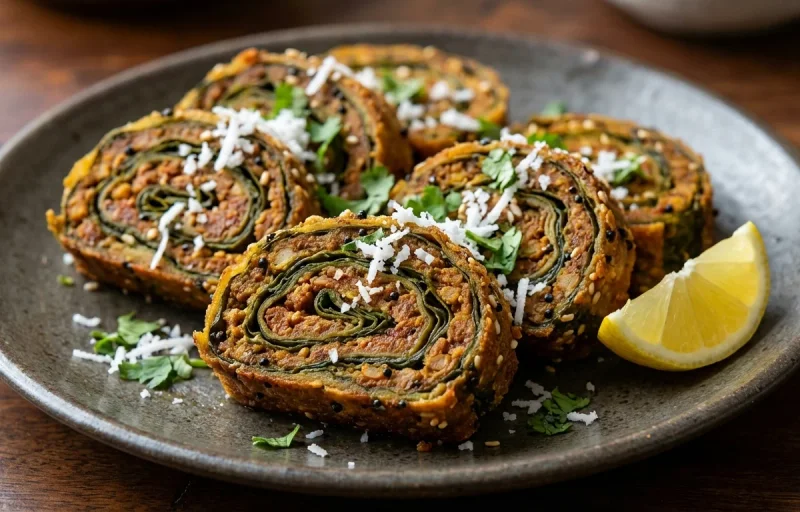
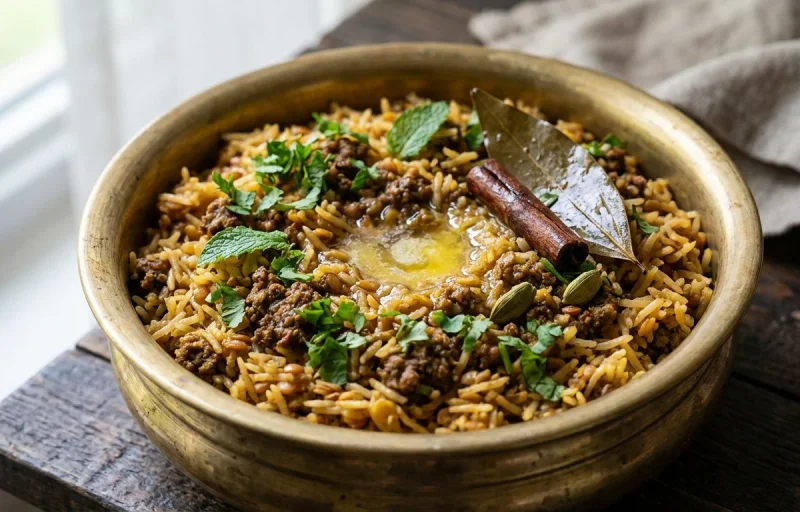
Protein10 recipes
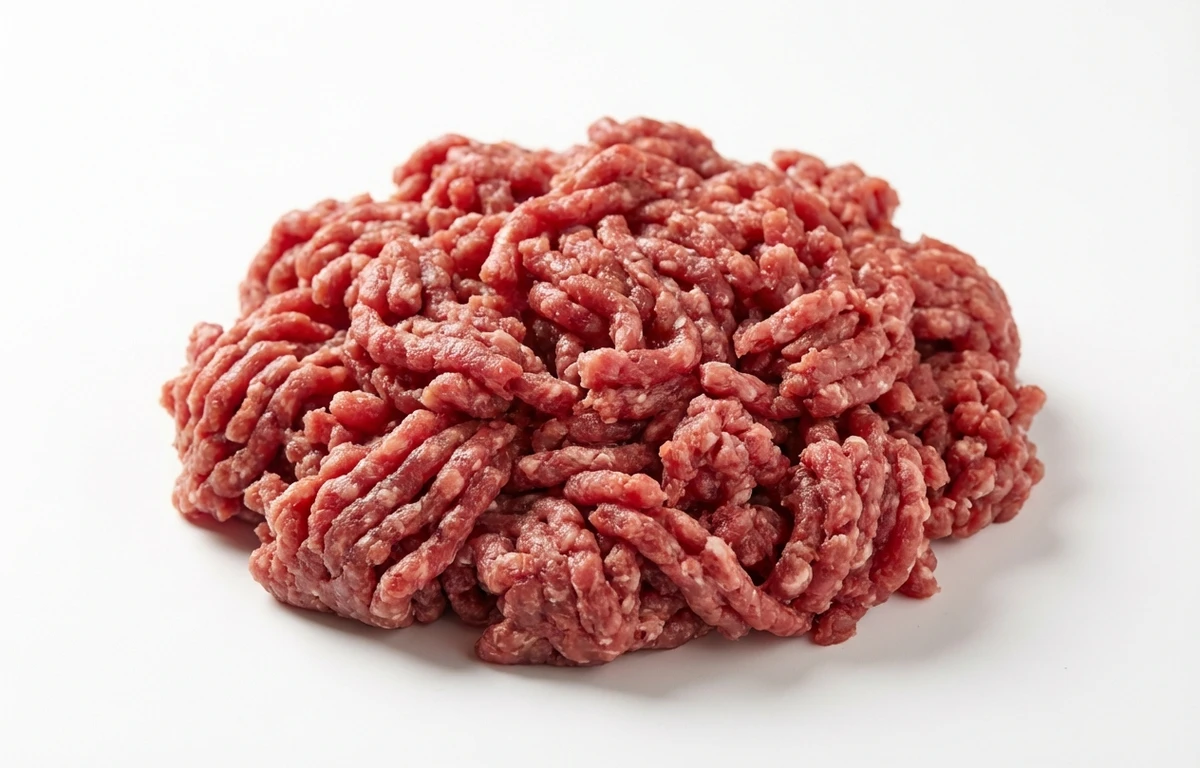
minced mutton.
VegetarianVeganGluten-freeDairy-freeNut-freePeanut-freeSoy-freeEgg-freeShellfish-freeHoney-freeAlcohol-free
ALSO KNOWN AS
mutton keemaground muttonmutton minceminced muttonground mutton meat
SERVING
CALORIES
294
PROTEIN
17.1g
CARBS
0g
FAT
24.8g
FIBER
0g
NUTRITION PROFILE · per 100 g
Everything in this ingredient.
MACRONUTRIENTS
Calories294kcal—
Protein17.1g34%
Carbohydrates0g0%
Fiber0g0%
Sugar0g0%
Total fat24.8g32%
Saturated fat10.9g55%
Cholesterol87mg29%
Water57.2g—
MINERALS
Sodium70mg3%
Potassium270mg6%
Calcium10mg1%
Iron2.3mg13%
Magnesium21mg5%
Phosphorus170mg14%
Zinc3.7mg34%
Copper0.10mg11%
Manganese0.02mg1%
Selenium10µg18%
VITAMINS
Vitamin A0µg0%
Vitamin C0mg0%
Vitamin D0µg0%
Vitamin E0.20mg1%
Vitamin K0µg0%
Thiamin (B1)0.10mg8%
Riboflavin (B2)0.20mg15%
Niacin (B3)4.5mg28%
Pantothenic acid (B5)0.40mg8%
Vitamin B60.20mg12%
Folate (B9)5.0µg1%
Vitamin B122.5µg104%
%DV based on a 2,000 cal diet. Source: USDA FoodData Central. A dash in the %DV column means there’s no established Daily Value for that nutrient.
MEASUREMENT CONVERSIONS
How much is what.
1 cup227g
1 tablespoon14.2g
1 teaspoon4.7g
1 ml0.9g
1 liter945.8g
HEALTH BENEFITS
Why eat it.
- ✓Rich source of high-quality protein, essential for muscle building, repair, and overall body function.
- ✓Excellent source of heme iron, which is more easily absorbed by the body than non-heme iron, helping to prevent anemia.
- ✓Provides significant amounts of Vitamin B12, crucial for nerve function and the formation of red blood cells.
- ✓Contains a good level of zinc, which supports a healthy immune system, wound healing, and cell growth.
COOKING TIPS
In the kitchen.
- 1Mutton has a distinct, strong flavor that pairs well with robust spices like cumin, coriander, cloves, and rosemary.
- 2Brown the minced mutton in a pan and drain off excess fat before adding other ingredients for a leaner result.
- 3Ideal for slow-cooked dishes like curries, stews, and shepherd's pie, as the longer cooking time tenderizes the meat and deepens the flavor.
- 4When making kebabs or meatballs, avoid overworking the mixture to ensure a tender, juicy texture.
STORAGE
Keep it fresh.
- Refrigerate fresh minced mutton immediately at 40°F (4°C) or below and use within 1-2 days.
- For longer storage, freeze in airtight freezer bags or containers for up to 3-4 months. Thaw safely in the refrigerator before use.
FAQ
Frequently asked questions.
Is minced mutton healthy?
Yes, minced mutton is a rich source of high-quality protein, essential for muscle health, and provides vital nutrients like heme iron, Vitamin B12, and zinc. However, it is high in calories and saturated fat, so it's best consumed in moderation as part of a balanced diet.
How much protein, calories, and fat are in minced mutton?
Per 100g, minced mutton contains approximately 294 calories, 17.1g of protein, and 24.8g of fat. It has virtually no carbohydrates. This makes it a calorie-dense protein source.
Is minced mutton good for weight loss?
While minced mutton is high in protein, which can aid satiety, its high calorie and fat content (294 calories, 24.8g fat per 100g) means it should be consumed mindfully for weight loss. Opt for leaner preparations or drain excess fat after cooking to reduce calorie intake.
Is minced mutton gluten-free?
Yes, plain minced mutton is naturally gluten-free. However, always check ingredient labels if purchasing pre-seasoned or processed minced mutton products, as some additives or marinades might contain gluten.
Is minced mutton keto-friendly?
Yes, minced mutton is highly keto-friendly due to its zero carbohydrate content and high fat and protein profile. It can be a staple in a ketogenic diet, providing essential nutrients without impacting carb limits.
Can diabetics eat minced mutton?
Minced mutton is low in carbohydrates, which is beneficial for blood sugar management in diabetics. However, its high saturated fat content should be considered, as excessive intake can impact heart health. Diabetics should consume it in moderation and focus on leaner preparations.
How do you cook minced mutton?
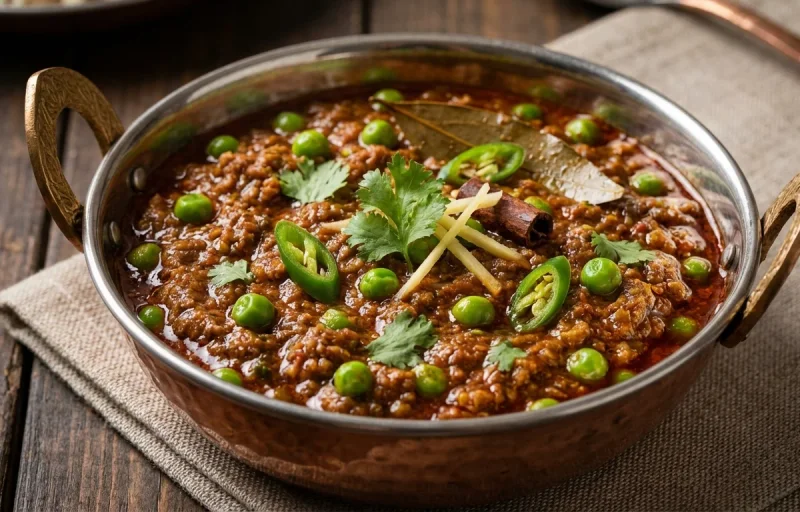
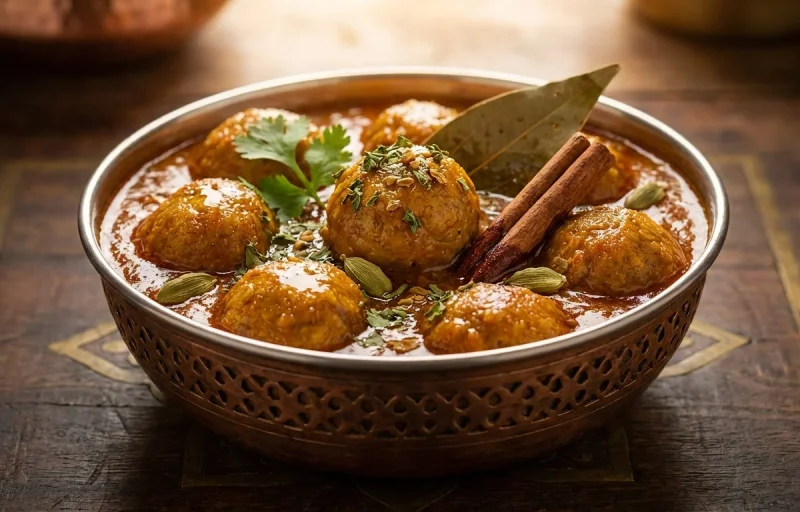
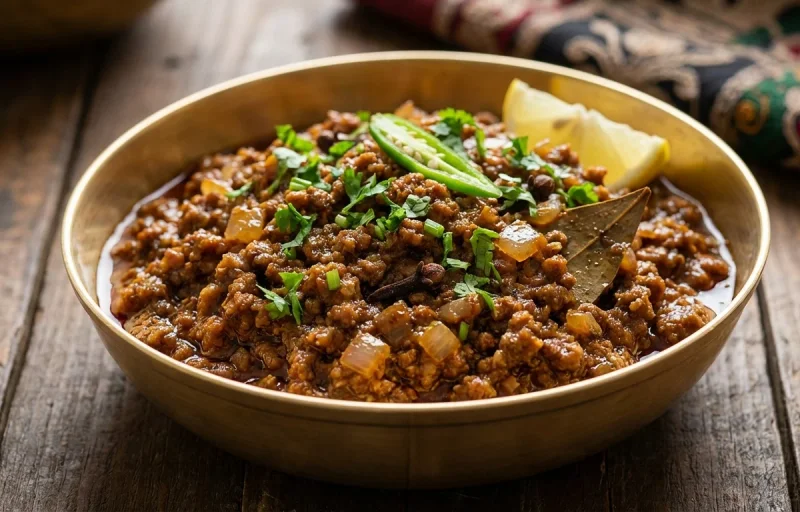
Minced mutton is versatile and can be browned in a pan for dishes like curries, keema, or shepherd's pie. It can also be shaped into patties for burgers, meatballs, or koftas, and baked or grilled. Ensure it's cooked thoroughly until no pink remains.
What does minced mutton taste like?
Minced mutton has a distinct, robust, and slightly gamey flavor compared to beef or lamb. Its taste is richer and more intense, which pairs well with strong spices and herbs in various cuisines, particularly South Asian and Middle Eastern dishes.
How do you store minced mutton?
Fresh minced mutton should be stored in the coldest part of your refrigerator, ideally at 40°F (4°C) or below, and used within 1-2 days. For longer storage, it can be frozen in airtight packaging for up to 3-4 months.
How do you know if minced mutton is fresh or spoiled?
Fresh minced mutton should have a reddish-pink color and a mild, slightly gamey smell. Signs of spoilage include a dull, grayish-brown color, a sour or strong off-odor, and a slimy texture. If any of these signs are present, discard it.
RECIPES
Cook with minced mutton.
10 recipes · sorted by what’s quick