
Other
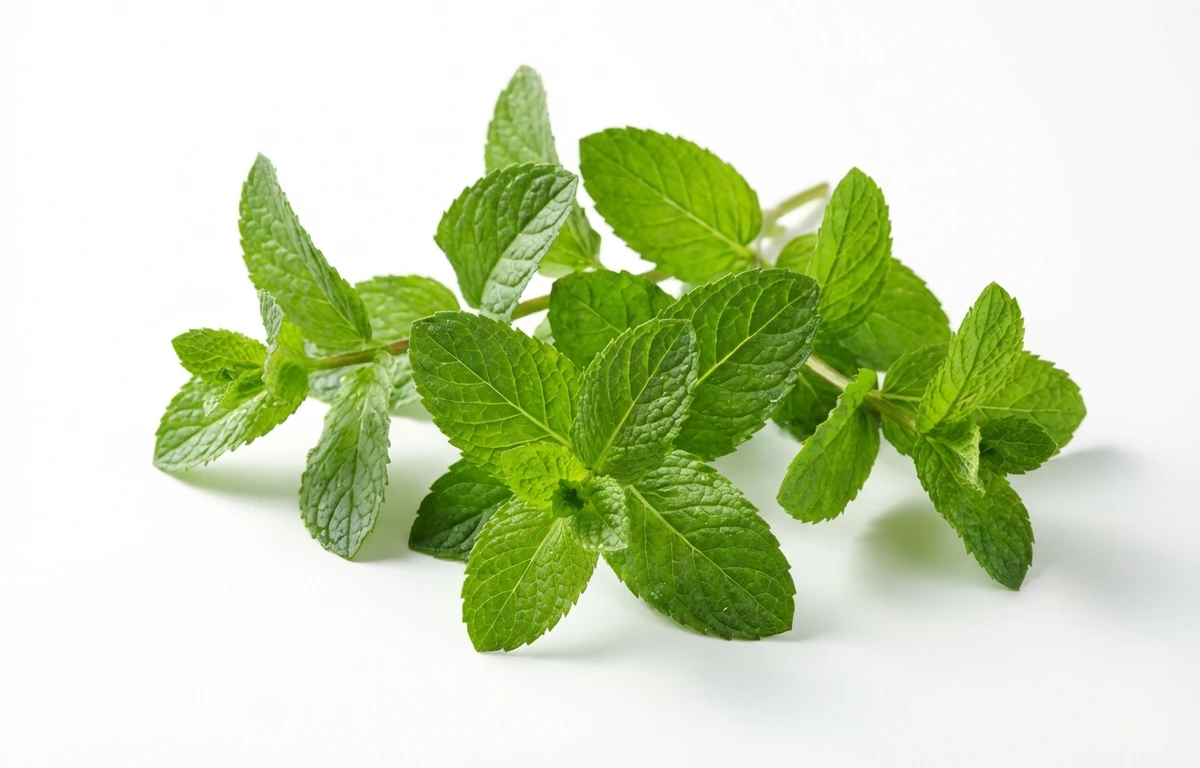
mint sprigs.
VegetarianVeganGluten-freeDairy-freeNut-freePeanut-freeSoy-freeEgg-freeShellfish-freeHoney-freeAlcohol-free
ALSO KNOWN AS
fresh mint sprigMint Sprigpudinamenthe
SERVING
CALORIES
44
PROTEIN
3.3g
CARBS
6.9g
FAT
0.40g
FIBER
6.8g
This ingredient is flagged as naturally gluten-free. Per 100 g, it provides 408 µg of vitamin K.
NUTRITION PROFILE · per 100 g
Everything in this ingredient.
MACRONUTRIENTS
Calories44kcal—
Protein3.3g7%
Carbohydrates6.9g3%
Fiber6.8g24%
Sugar0.90g2%
Total fat0.40g1%
Saturated fat0.10g1%
Trans fat0g—
Cholesterol0mg0%
Water85.6g—
MINERALS
Sodium31mg1%
Potassium458mg10%
Calcium199mg15%
Iron11.9mg66%
Magnesium63mg15%
Phosphorus60mg5%
Zinc1.1mg10%
Copper0.20mg22%
Manganese1.1mg48%
Selenium1.0µg2%
VITAMINS
Vitamin A203µg23%
Vitamin C13.3mg15%
Vitamin D0µg0%
Vitamin E0mg0%
Vitamin K408µg340%
Thiamin (B1)0.08mg7%
Riboflavin (B2)0.18mg14%
Niacin (B3)0.95mg6%
Pantothenic acid (B5)0.25mg5%
Vitamin B60.13mg8%
Folate (B9)105µg26%
Vitamin B120µg0%
%DV based on a 2,000 cal diet. Source: USDA FoodData Central. A dash in the %DV column means there’s no established Daily Value for that nutrient.
MEASUREMENT CONVERSIONS
How much is what.
1 cup25g
1 tablespoon1.6g
1 teaspoon0.5g
1 oz28.4g
1 lb453.6g
1 piece1.5g
HEALTH BENEFITS
Why eat it.
- ✓Aids digestion and may relieve symptoms of IBS
- ✓Natural breath freshener with antimicrobial properties
- ✓May help improve brain function and alertness
- ✓Contains menthol which can help relieve nasal congestion
COOKING TIPS
In the kitchen.
- 1Add fresh mint at the very end of cooking to maintain its vibrant flavor
- 2Slap the leaves between your palms before using to release essential oils
- 3Use the stems for infusing syrups or teas, but remove them before serving
STORAGE
Keep it fresh.
- Wrap sprigs in a damp paper towel and store in a plastic bag in the fridge
- Place stems in a glass of water like flowers and cover loosely with a bag
- Freeze chopped leaves in ice cube trays with water for long-term use
FAQ
Frequently asked questions.
How long do fresh mint sprigs last in the refrigerator?
When stored properly in a damp paper towel or a glass of water, fresh mint can last 7 to 10 days.
Can you freeze fresh mint?
Yes, you can freeze mint leaves in ice cube trays with water or oil, or freeze them flat in a freezer bag, though they will lose their crisp texture.
How do I pick the best mint at the store?
Look for bright green, perky leaves without any dark spots, yellowing, or signs of wilting.
What is a good substitute for fresh mint?
Depending on the recipe, you can use fresh basil, parsley, or cilantro, though the flavor profile will change significantly.
Do I need to remove the stems?
For salads and garnishes, use only the leaves. The stems can be bitter but are excellent for infusing flavor into hot teas or syrups.
Is mint high in calories?
No, mint is very low in calories, providing only about 44 calories per 100 grams, and much less in typical serving sizes.
How should I wash mint sprigs?
Submerge them in a bowl of cold water, swish gently to remove dirt, then pat dry thoroughly with a paper towel or use a salad spinner.
What are common culinary uses for mint?
Mint is widely used in chutneys, mojitos, tabbouleh, lamb dishes, teas, and as a garnish for desserts.



















