Other10 recipes
mirin.
VegetarianVeganGluten-freeDairy-freeNut-freePeanut-freeSoy-freeEgg-freeShellfish-freeHoney-freeAlcohol-freeHalalFermented
SERVING
CALORIES
232
PROTEIN
0.20g
CARBS
45g
FAT
0g
FIBER
0g
This ingredient is flagged as naturally gluten-free. Per 100 g, it provides 0 µg of vitamin K.
NUTRITION PROFILE · per 100 g
Everything in this ingredient.
MACRONUTRIENTS
Calories232kcal—
Protein0.20g0%
Carbohydrates45g16%
Fiber0g0%
Sugar45g90%
Total fat0g0%
Saturated fat0g0%
Trans fat0g—
Cholesterol0mg0%
Water40g—
MINERALS
Sodium10mg0%
Potassium2.0mg0%
Calcium0mg0%
Iron0.10mg1%
Magnesium1.0mg0%
Phosphorus4.0mg0%
Zinc0.02mg0%
Copper0.01mg1%
Manganese0.01mg0%
Selenium0.10µg0%
VITAMINS
Vitamin A0µg0%
Vitamin C0mg0%
Vitamin D0µg0%
Vitamin E0mg0%
Vitamin K0µg0%
Thiamin (B1)0.01mg1%
Riboflavin (B2)0.01mg1%
Niacin (B3)0.10mg1%
Pantothenic acid (B5)0.05mg1%
Vitamin B60.01mg1%
Folate (B9)1.0µg0%
Vitamin B120µg0%
%DV based on a 2,000 cal diet. Source: USDA FoodData Central. A dash in the %DV column means there’s no established Daily Value for that nutrient.
MEASUREMENT CONVERSIONS
How much is what.
1 cup276g
1 tablespoon17.3g
1 teaspoon5.8g
1 oz32.6g
1 lb453.6g
1 ml1.2g
1 liter1150g
HEALTH BENEFITS
Why eat it.
- ✓Provides quick energy through natural carbohydrates
- ✓Contains organic acids that can aid digestion
- ✓Helps mask strong odors in fish and meat
- ✓Low in sodium compared to other Asian condiments
- ✓Fat-free seasoning option
COOKING TIPS
In the kitchen.
- 1Use to add a glossy luster to teriyaki and glaze-based dishes
- 2Add early in the cooking process to allow the alcohol to evaporate
- 3Helps ingredients like fish stay firm and not break apart during simmering
STORAGE
Keep it fresh.
- Store in a cool, dark place away from direct sunlight
- Once opened, keep the cap tightly sealed to prevent evaporation
- Refrigeration is recommended after opening to maintain flavor profile
FAQ
Frequently asked questions.
What is mirin?
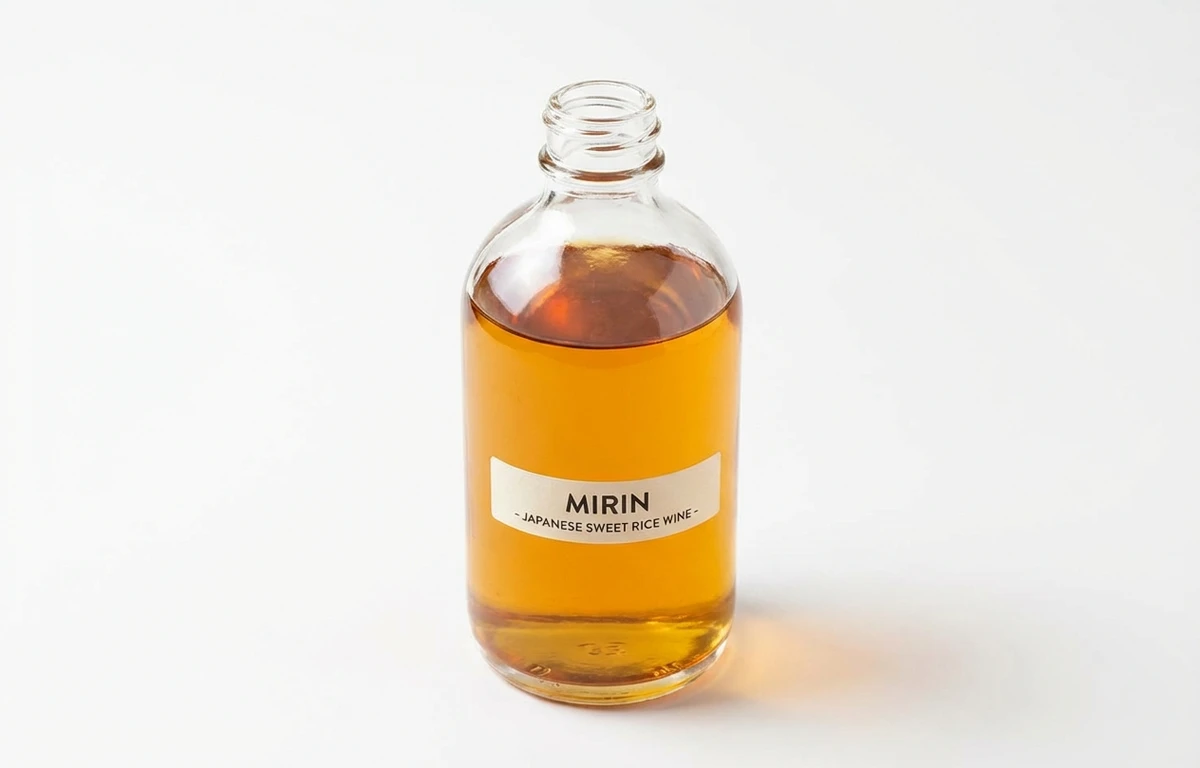
Mirin is a sweet Japanese rice wine used exclusively for cooking, characterized by its high sugar content and syrupy consistency.
Is mirin the same as rice vinegar?
No, mirin is sweet and contains alcohol, while rice vinegar is acidic and sour. They cannot be used interchangeably.
What is a good substitute for mirin?
A mixture of dry sherry or white wine with a pinch of sugar (about 1/2 teaspoon sugar per tablespoon of liquid) is the best substitute.
Does mirin contain alcohol?
Yes, true mirin (hon-mirin) contains about 14% alcohol, though much of it evaporates during the cooking process.
Is mirin gluten-free?
Pure mirin made from rice, koji, and alcohol is naturally gluten-free, but always check labels for additives in cheaper brands.
How long does mirin last after opening?
If stored in the refrigerator, it can last for up to 2-3 months before the flavor begins to degrade significantly.
Can I use mirin in non-Japanese dishes?
Yes, it is excellent for deglazing pans, adding sweetness to vinaigrettes, or glazing roasted vegetables.
Is mirin Halal?
No, because it is a fermented rice wine with a significant alcohol content, it is generally not considered Halal.
Why does mirin make food look shiny?
The high natural sugar content creates a glaze when heated, giving dishes like teriyaki their signature glossy appearance.
RECIPES
Cook with mirin.
10 recipes · sorted by what’s quick
.webp)