
Loading...
Also known as: Country mix vegetables, Mixed farm vegetables, Country style vegetable blend
Per 100g
Nutrition data source: USDA FoodData Central
Common measurement equivalents in grams
When kept at a constant 0°F (-18°C), they will maintain best quality for 8 to 12 months, though they remain safe to eat indefinitely.
No, for most methods like steaming, sautéing, or adding to soups, you can cook them directly from frozen to prevent them from becoming mushy.
A standard country mix usually includes carrots, sweet corn, green peas, and green beans.
Yes, they are often flash-frozen shortly after harvest, which locks in nutrients, making them nutritionally comparable to fresh vegetables.
Absolutely. They work well in stir-fries, though you should cook them on high heat quickly to maintain their snap.
You can use any combination of chopped fresh carrots, peas, and beans, or other frozen blends like 'California mix' (broccoli, cauliflower, carrots).
Naturally, they are free of common allergens like gluten, dairy, and nuts, but always check the packaging for cross-contamination warnings.
Look for heavy ice crystals (freezer burn), dull colors, or a shriveled appearance. If they have an off-smell after thawing, discard them.
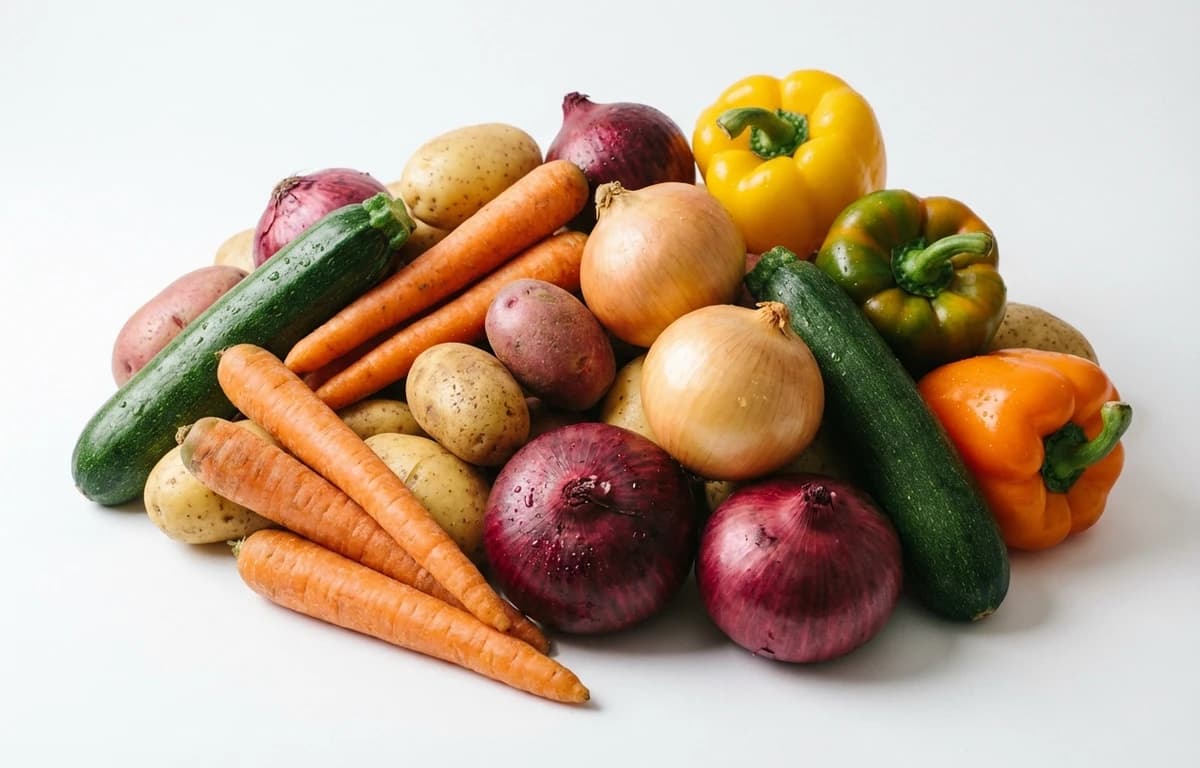
Mixed Country Vegetables is a versatile ingredient found in cuisines around the world. With 62 calories per 100g and 2.6 grams of protein, it's a nutritious addition to many dishes.
Explore more ingredients in the vegetable category with complete nutrition information.
View all vegetable →Discover 1 recipes featuring mixed country vegetables with step-by-step instructions.
Browse recipes →Explore more ingredients similar to Mixed Country Vegetables.
The most-searched ingredients on CraftMyMeals.