
Grain1 recipes
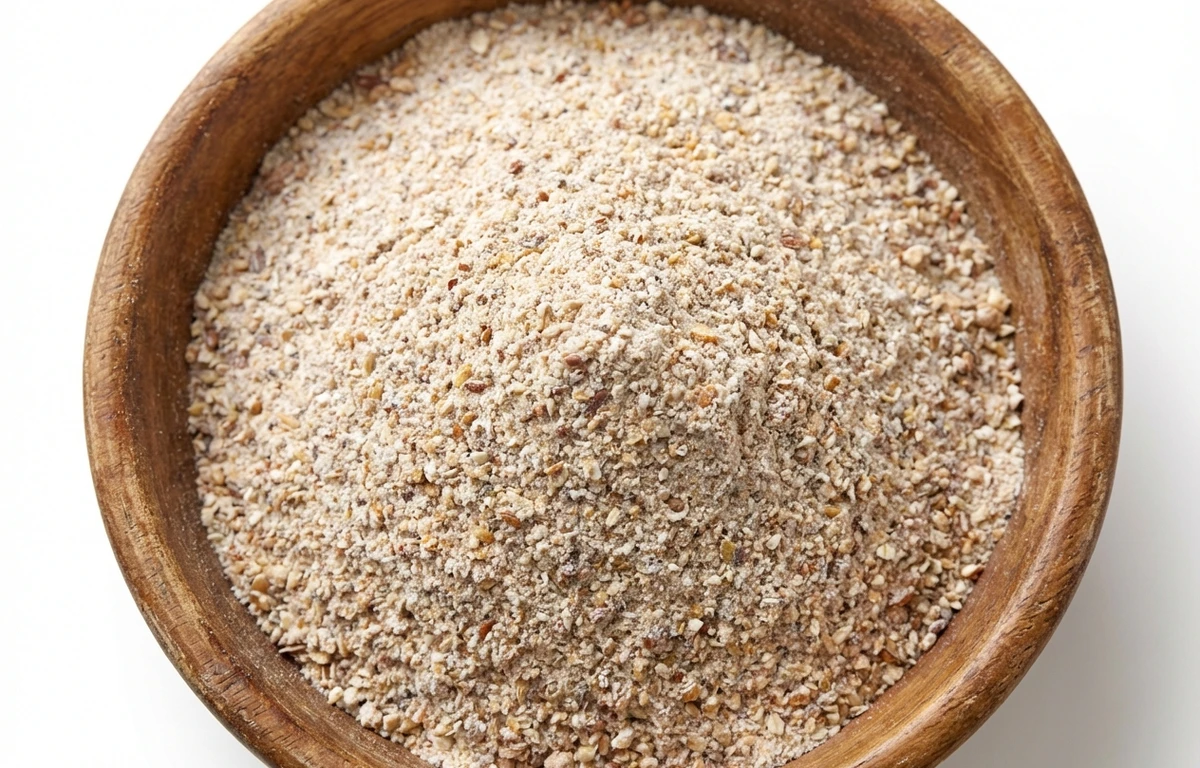
mixed grain flour.
VegetarianVeganGluten-freeDairy-freeNut-freePeanut-freeSoy-freeEgg-freeShellfish-freeHoney-freeAlcohol-free
ALSO KNOWN AS
thalipeeth bhajanimultigrain flourmulti grain flour
SERVING
CALORIES
362
PROTEIN
12.5g
CARBS
72.5g
FAT
2.5g
FIBER
5.0g
NUTRITION PROFILE · per 100 g
Everything in this ingredient.
MACRONUTRIENTS
Calories362kcal—
Protein12.5g25%
Carbohydrates72.5g26%
Fiber5.0g18%
Sugar0.40g1%
Total fat2.5g3%
Saturated fat0.50g3%
Cholesterol0mg0%
MINERALS
Sodium2.0mg0%
Potassium290mg6%
Calcium20mg2%
Iron2.5mg14%
Magnesium130mg31%
Phosphorus350mg28%
Zinc2.5mg23%
Copper0.40mg44%
Manganese2.5mg109%
Selenium30µg55%
VITAMINS
Vitamin A0µg0%
Vitamin C0mg0%
Vitamin D0µg0%
Vitamin E0.80mg5%
Vitamin K3.0µg3%
Thiamin (B1)0.40mg33%
Riboflavin (B2)0.15mg12%
Niacin (B3)5.0mg31%
Pantothenic acid (B5)0.70mg14%
Vitamin B60.35mg21%
Folate (B9)50µg13%
Vitamin B120µg0%
%DV based on a 2,000 cal diet. Source: USDA FoodData Central. A dash in the %DV column means there’s no established Daily Value for that nutrient.
MEASUREMENT CONVERSIONS
How much is what.
1 cup125g
1 tablespoon8g
1 teaspoon2.5g
1 ml0.6g
1 liter533.3g
HEALTH BENEFITS
Why eat it.
- ✓Provides a broader spectrum of nutrients, such as B vitamins, iron, and magnesium, compared to single-grain flours.
- ✓Often higher in dietary fiber, which supports digestive health, promotes satiety, and helps regulate bowel movements.
- ✓Can contribute to better blood sugar control due to the complex carbohydrates and fiber, especially in whole-grain blends.
- ✓The combination of grains can offer a more complex flavor profile and texture to baked goods.
COOKING TIPS
In the kitchen.
- 1When substituting for all-purpose flour, you may need to adjust the amount of liquid in the recipe as different grains absorb moisture differently.
- 2Ideal for adding a rustic texture and nutty flavor to breads, muffins, pancakes, and cookies.
- 3Let batters and doughs rest for 10-20 minutes before cooking or baking to allow the various flours to fully hydrate, improving the final texture.
- 4Because gluten content can vary, it may be beneficial to combine it with bread flour for recipes requiring a strong structure, like yeast breads.
STORAGE
Keep it fresh.
- Store in an airtight container in a cool, dark, and dry pantry for up to 3 months.
- For longer freshness, especially for whole-grain mixes, store in the refrigerator or freezer to prevent the natural oils from becoming rancid.
FAQ
Frequently asked questions.
Is mixed grain flour healthy?
Yes, mixed grain flour is generally considered healthy as it provides a broader spectrum of nutrients like B vitamins, iron, and magnesium compared to single-grain flours. It's often higher in dietary fiber, which supports digestive health, promotes satiety, and can contribute to better blood sugar control.
What are the nutritional values of mixed grain flour?
Per 100g, mixed grain flour typically contains around 362 calories, 12.5g of protein, 72.5g of carbohydrates, and 2.5g of fat. These values can vary slightly depending on the specific blend of grains used.
Is mixed grain flour good for weight management?
Mixed grain flour can be beneficial for weight management due to its higher fiber content. Fiber promotes satiety, helping you feel full longer and potentially reducing overall calorie intake. The complex carbohydrates also provide sustained energy, preventing sudden hunger pangs.
Is mixed grain flour gluten-free?
Mixed grain flour is not inherently gluten-free unless specifically labeled as such. Many blends include grains like wheat, barley, or rye, which contain gluten. If you require a gluten-free diet, look for blends made exclusively from naturally gluten-free grains like rice, corn, oats (certified GF), quinoa, or millet.
Can people with diabetes eat mixed grain flour?
Yes, people with diabetes can often incorporate mixed grain flour into their diet, especially blends rich in whole grains. The fiber and complex carbohydrates help slow down sugar absorption, leading to a more gradual rise in blood glucose compared to refined flours. Portion control remains important.
What are the best uses for mixed grain flour in cooking and baking?
Mixed grain flour is versatile and excellent for a variety of baked goods, including artisan breads, muffins, pancakes, waffles, and even cookies. It can also be used to thicken sauces or as a coating for fried foods, adding a unique flavor and nutritional boost.
How does mixed grain flour differ in taste and texture from single-grain flours?
Mixed grain flour typically offers a more complex, nutty, and earthy flavor profile compared to the milder taste of single-grain flours like all-purpose wheat flour. In terms of texture, it often results in denser, chewier baked goods due to the varying protein and fiber content of the different grains.
How should I store mixed grain flour to keep it fresh?
To maintain freshness, store mixed grain flour in an airtight container in a cool, dark, and dry place, such as a pantry. For longer storage, especially in warmer climates or if it contains whole grains, refrigeration or freezing can help prevent spoilage and rancidity.
How long does mixed grain flour typically last?
When stored properly, mixed grain flour can last for several months, typically 3-6 months at room temperature. If refrigerated or frozen, its shelf life can extend to 6-12 months. Always check for any off-smells or discoloration before use, as whole grains can go rancid faster due to their oil content.
Is mixed grain flour suitable for a low-carb or keto diet?
No, mixed grain flour is generally not suitable for low-carb or keto diets due to its high carbohydrate content. With approximately 72.5g of carbs per 100g, it far exceeds the typical daily carb limits for these dietary approaches. Individuals on these diets should opt for specialized low-carb flour alternatives.
RECIPES
Cook with mixed grain flour.
1 recipes · sorted by what’s quick



















