Other6 recipes
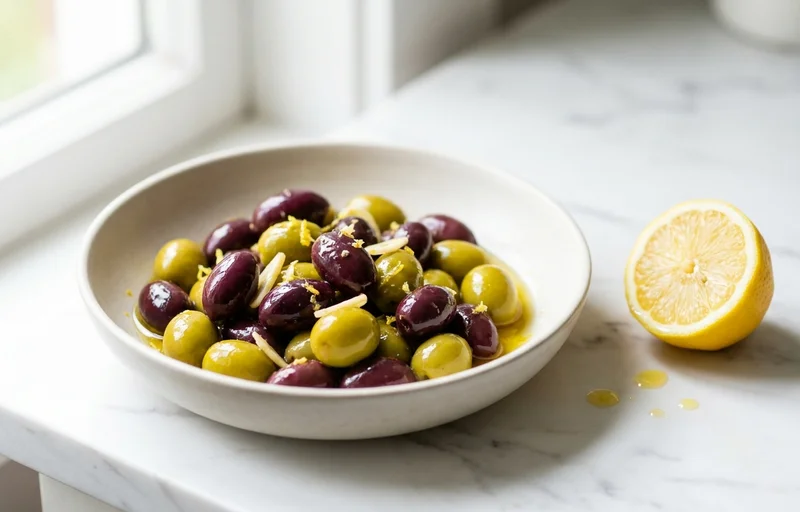
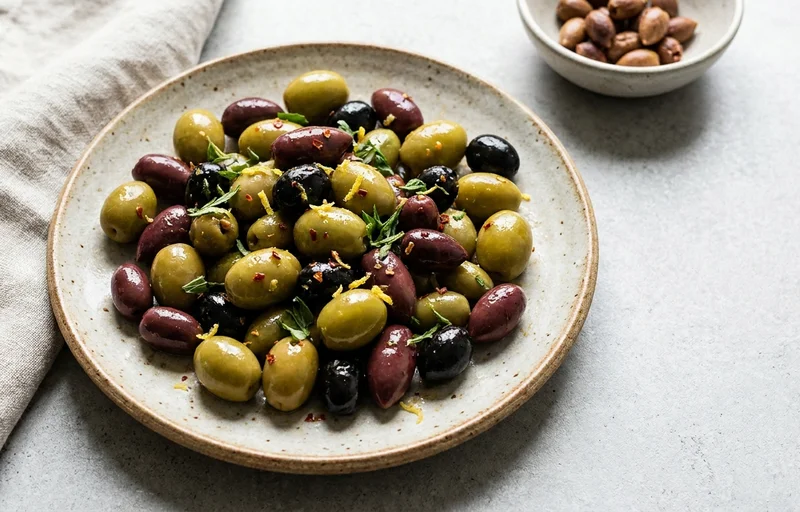
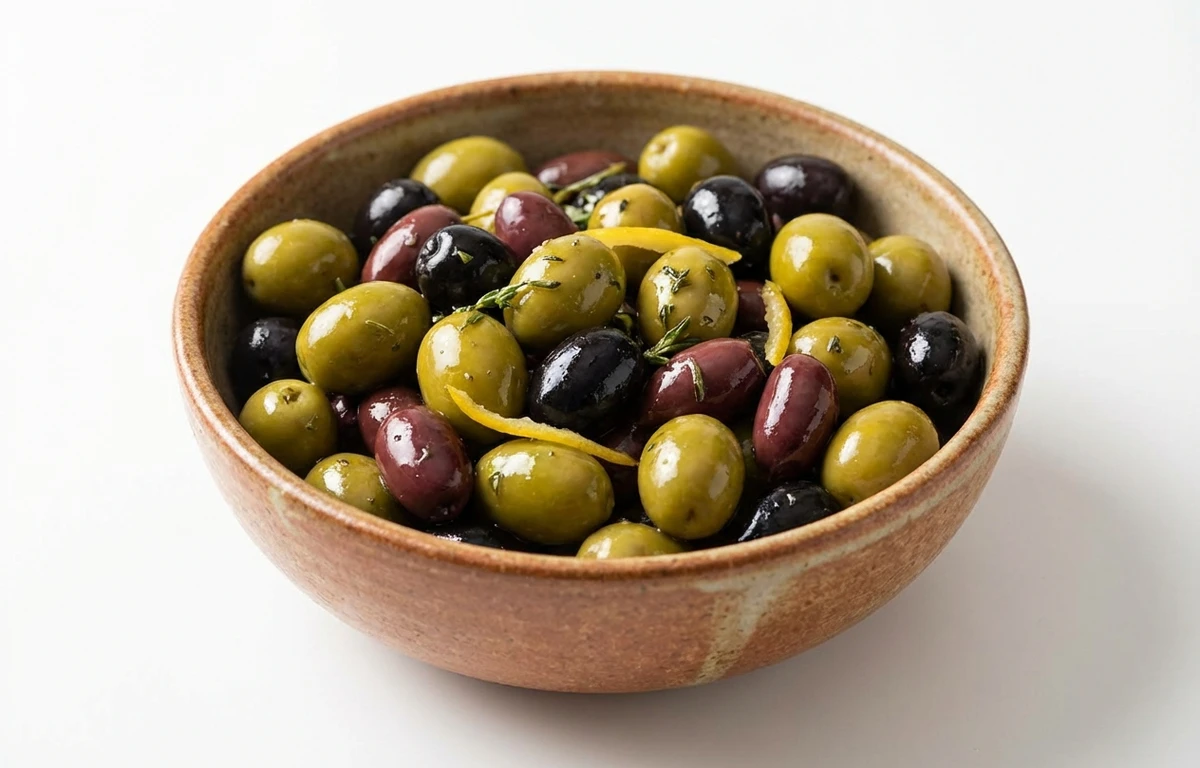
mixed olives.
VegetarianVeganGluten-freeDairy-freeNut-freePeanut-freeSoy-freeEgg-freeShellfish-freeHoney-freeAlcohol-freeFermented
ALSO KNOWN AS
assorted olivesolive mix
SERVING
CALORIES
145
PROTEIN
1.0g
CARBS
3.8g
FAT
15.3g
FIBER
3.3g
This ingredient is flagged as naturally gluten-free. Per 100 g, it provides 1.0 µg of vitamin K.
NUTRITION PROFILE · per 100 g
Everything in this ingredient.
MACRONUTRIENTS
Calories145kcal—
Protein1.0g2%
Carbohydrates3.8g1%
Fiber3.3g12%
Sugar0.50g1%
Total fat15.3g20%
Saturated fat2.0g10%
Trans fat0g—
Cholesterol0mg0%
Water72.5g—
MINERALS
Sodium735mg32%
Potassium42mg1%
Calcium64mg5%
Iron0.50mg3%
Magnesium4.0mg1%
Phosphorus3.0mg0%
Zinc0.22mg2%
VITAMINS
Vitamin A0µg0%
Vitamin C0mg0%
Vitamin D0µg0%
Vitamin K1.0µg1%
Thiamin (B1)2.0mg167%
Riboflavin (B2)0.01mg1%
Niacin (B3)0.04mg0%
Vitamin B60.01mg1%
%DV based on a 2,000 cal diet. Source: USDA FoodData Central. A dash in the %DV column means there’s no established Daily Value for that nutrient.
MEASUREMENT CONVERSIONS
How much is what.
1 cup140g
1 tablespoon8.8g
1 teaspoon2.9g
1 ml0.6g
1 liter583.3g
1 piece6g
COOKING TIPS
In the kitchen.
- 1For a quick, elegant appetizer, gently warm mixed olives in a pan with extra virgin olive oil, garlic cloves, citrus zest, and fresh rosemary.
- 2Before adding to dishes, pit the olives using a cherry pitter or by gently crushing them with the flat side of a chef's knife.
- 3Rinse heavily brined olives under cool water to reduce their saltiness before incorporating them into recipes.
- 4Finely chop a mix of olives with capers, garlic, and olive oil to create a classic tapenade, perfect as a spread or sauce.
STORAGE
Keep it fresh.
- Store unopened jars of olives in a cool, dark place like a pantry. They can last for up to two years.
- Once opened, keep olives submerged in their original brine in an airtight container in the refrigerator for up to 3 weeks.
- Olives purchased from a deli bar should be refrigerated and consumed within 7-10 days for optimal freshness and flavor.
FAQ
Frequently asked questions.
What are the nutritional values of mixed olives?
Per 100g, mixed olives typically contain around 145 calories, 1g of protein, 3.8g of carbohydrates, and 15.3g of fat. The fat content is predominantly monounsaturated, making them a good source of healthy fats, though they can be high in sodium.
Are mixed olives vegan and gluten-free?
Yes, mixed olives are naturally vegan as they are a fruit. They are also inherently gluten-free, making them suitable for individuals following plant-based or gluten-free diets.
Are mixed olives keto-friendly?
Yes, mixed olives are an excellent choice for a ketogenic diet. They are low in net carbohydrates (around 3.8g per 100g) and high in healthy fats, which aligns well with the macronutrient requirements of a keto lifestyle.
How are mixed olives typically used in cooking?
Mixed olives are incredibly versatile. They are commonly enjoyed as an appetizer or snack, added to salads, pasta dishes, pizzas, and stews. They can also be blended into tapenades, used in marinades, or served on charcuterie boards.
What do mixed olives taste like?
The taste of mixed olives varies widely depending on the varieties included. Generally, they offer a complex profile of salty, briny, sometimes bitter, fruity, or buttery notes. Textures can range from firm and meaty to soft and tender.
How long do mixed olives last?
Unopened, commercially packaged olives can last for several months to a year past their best-by date. Once opened and properly refrigerated in their liquid, they typically remain good for 2-3 weeks, though some varieties might last longer.
Do olives contain a lot of sodium?
Yes, olives are typically high in sodium due to the curing and brining process, which is essential for making them edible. If you are monitoring your sodium intake, you can rinse olives under cold water before eating them to reduce some of the surface salt.
RECIPES
Cook with mixed olives.
6 recipes · sorted by what’s quick