
Loading...
Per 100g
Nutrition data source: USDA FoodData Central
Common measurement equivalents in grams
Yes, mixed whole pulses are highly nutritious. They are an excellent source of plant-based protein, dietary fiber, and complex carbohydrates, promoting satiety and digestive health. They also provide essential micronutrients like folate, iron, magnesium, and potassium, contributing to overall well-being and heart health.
Per 100g, mixed whole pulses contain approximately 8.8g of protein and 163 calories. They are also low in fat (1.4g) and provide a significant amount of complex carbohydrates (31g), making them a nutrient-dense food.
Yes, mixed whole pulses can be beneficial for weight loss. Their high fiber and protein content promote satiety, helping you feel full longer and reducing overall calorie intake. They are also low in fat and provide sustained energy from complex carbohydrates.
Yes, mixed whole pulses are both vegan and vegetarian. As legumes, they are entirely plant-based and do not contain any animal products or by-products, making them an excellent protein source for plant-based diets.
Yes, naturally, mixed whole pulses are gluten-free. However, it's always advisable to check the packaging for certification if you have celiac disease or severe gluten sensitivity, as cross-contamination can occur during processing.
Yes, mixed whole pulses are an excellent food choice for diabetics. Their high fiber content and low glycemic index help regulate blood sugar levels, preventing sharp spikes. They also provide complex carbohydrates for sustained energy.
Mixed whole pulses typically require soaking overnight to reduce cooking time and improve digestibility. After soaking, drain and rinse them, then boil in fresh water until tender, which can take 30-60 minutes depending on the pulse variety. They can then be used in curries, stews, salads, or soups.
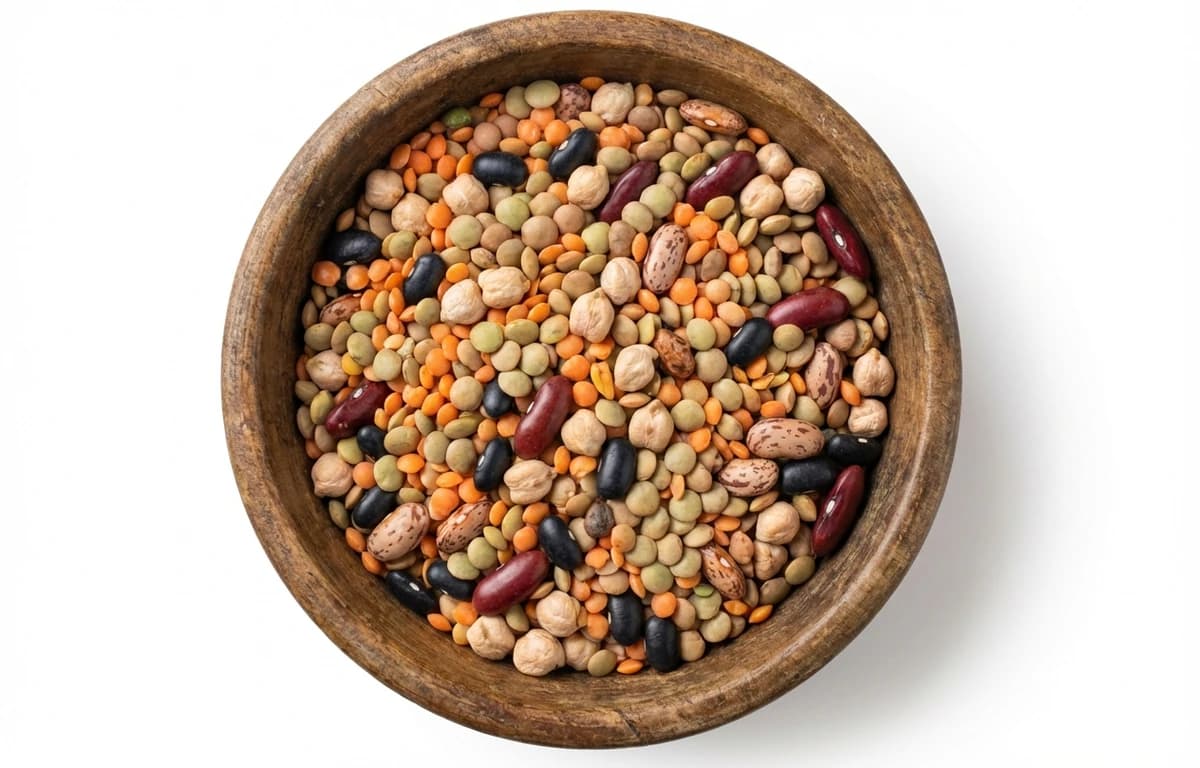
mixed whole pulses is a versatile ingredient found in cuisines around the world. With 163 calories per 100g and 8.8 grams of protein, it's a nutritious addition to many dishes.
Explore more ingredients in the other category with complete nutrition information.
View all other →Discover 0 recipes featuring mixed whole pulses with step-by-step instructions.
Browse recipes →While not strictly mandatory for all varieties, soaking mixed whole pulses is highly recommended. Soaking significantly reduces cooking time, improves their texture, and can help break down some of the compounds that cause digestive discomfort.
Uncooked mixed whole pulses should be stored in an airtight container in a cool, dry, dark place, away from direct sunlight and moisture. When stored properly, they can last for up to a year or even longer. Cooked pulses should be refrigerated in an airtight container for 3-4 days or frozen for several months.
The taste of mixed whole pulses can vary slightly depending on the specific varieties included, but generally, they have an earthy, nutty, and sometimes slightly starchy flavor. They readily absorb the flavors of spices and other ingredients they are cooked with, making them versatile in many cuisines.