vegetable
mogekayi.
VegetarianVeganGluten-freeDairy-freeNut-freePeanut-freeSoy-freeEgg-freeShellfish-freeHoney-freeAlcohol-freeHalalKosher
SERVING
CALORIES
15
PROTEIN
0.70g
CARBS
3.6g
FAT
0.10g
FIBER
0.80g
NUTRITION PROFILE · per 100 g
Everything in this ingredient.
MACRONUTRIENTS
Calories15kcal—
Protein0.70g1%
Carbohydrates3.6g1%
Fiber0.80g3%
Sugar1.7g3%
Total fat0.10g0%
Saturated fat0g0%
Trans fat0g—
Cholesterol0mg0%
Water95.2g—
MINERALS
Sodium3.0mg0%
Potassium147mg3%
Calcium16mg1%
Iron0.30mg2%
Magnesium13mg3%
Phosphorus24mg2%
Zinc0.20mg2%
Copper0.04mg4%
Manganese0.08mg3%
Selenium0.30µg1%
VITAMINS
Vitamin A5.0µg1%
Vitamin C3.2mg4%
Vitamin D0µg0%
Vitamin E0.03mg0%
Vitamin K16.4µg14%
Thiamin (B1)0.03mg3%
Riboflavin (B2)0.03mg2%
Niacin (B3)0.10mg1%
Pantothenic acid (B5)0.26mg5%
Vitamin B60.04mg2%
Folate (B9)7.0µg2%
Vitamin B120µg0%
%DV based on a 2,000 cal diet. Source: USDA FoodData Central. A dash in the %DV column means there’s no established Daily Value for that nutrient.
MEASUREMENT CONVERSIONS
How much is what.
1 cup130g
HEALTH BENEFITS
Why eat it.
- ✓High in water content, promoting hydration.
- ✓Low in calories and fat, making it suitable for weight management diets.
- ✓Provides dietary fiber, which aids in digestion and promotes gut health.
- ✓Contains essential nutrients like Vitamin C and potassium, which support immune function and heart health.
COOKING TIPS
In the kitchen.
- 1Unlike common cucumbers, mogekayi is typically cooked and rarely eaten raw. It holds its shape well in curries and stews.
- 2Before cooking, peel the skin, cut it in half, and scoop out the seeds and the soft inner pulp.
- 3It absorbs flavors well, making it an excellent addition to South Indian dishes like sambar, kootu, and palya.
- 4Its firm texture requires a slightly longer cooking time than zucchini; simmer until it becomes tender but not mushy.
STORAGE
Keep it fresh.
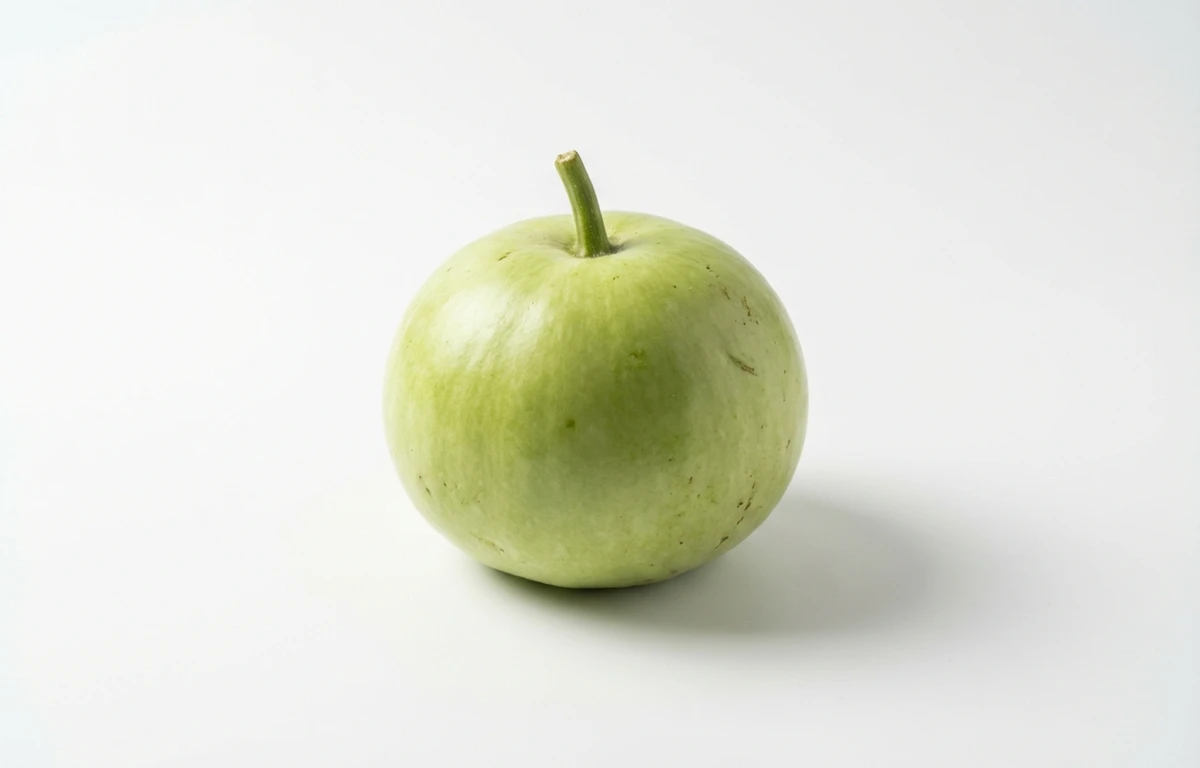
- Store whole, unwashed mogekayi (Mangalore cucumber) in the refrigerator's crisper drawer for up to two weeks.
- Once cut, wrap the exposed surface tightly with plastic wrap or place in an airtight container and refrigerate for up to 3-4 days.
FAQ
Frequently asked questions.
Is mogekayi healthy?
Yes, mogekayi is a very healthy vegetable. It is exceptionally low in calories and fat, high in water content for hydration, and provides dietary fiber for digestive health. It also contains essential nutrients like Vitamin C and potassium.
What are the nutritional values of mogekayi?
Per 100g, mogekayi contains approximately 15 calories, 0.7g protein, 3.6g carbohydrates, and 0.1g fat. It's also a good source of water, fiber, Vitamin C, and potassium, making it a nutrient-dense, low-calorie option.
Is mogekayi good for weight management?
Absolutely. Mogekayi is an excellent food for weight management due to its very low-calorie count and high water content. Its fiber content also helps promote satiety, making you feel fuller for longer without adding many calories.
Is mogekayi suitable for a vegan or vegetarian diet?
Yes, mogekayi is a vegetable and is naturally suitable for both vegan and vegetarian diets. It can be a versatile addition to plant-based meals.
Is mogekayi low-carb or keto-friendly?
With only 3.6g of carbohydrates per 100g, mogekayi is considered a low-carb vegetable. It can be included in moderation on a ketogenic diet, depending on individual carb limits, making it a good choice for those monitoring carb intake.
How should I cook mogekayi?
Mogekayi can be cooked in various ways. It's often used in curries, stir-fries, or stews, where it absorbs flavors well. It can also be steamed, boiled, or sautéed as a simple side dish.
What does mogekayi taste like?
Mogekayi has a mild, slightly bitter taste, often described as similar to a bitter gourd or small cucumber, but typically less intense. Its subtle flavor allows it to blend well with stronger spices and ingredients in dishes.
How do I store fresh mogekayi?
To store fresh mogekayi, keep it in a cool, dry place or in the crisper drawer of your refrigerator. It's best to use it within a few days of purchase for optimal freshness and flavor.
Can mogekayi be eaten raw?
While mogekayi is typically cooked, it can be eaten raw, especially when young and tender. However, its slightly bitter taste is often mellowed by cooking, which is why it's more commonly prepared in cooked dishes.
Is mogekayi gluten-free?
Yes, as a natural vegetable, mogekayi is inherently gluten-free. It is a safe and healthy option for individuals following a gluten-free diet.