dairy1 recipes
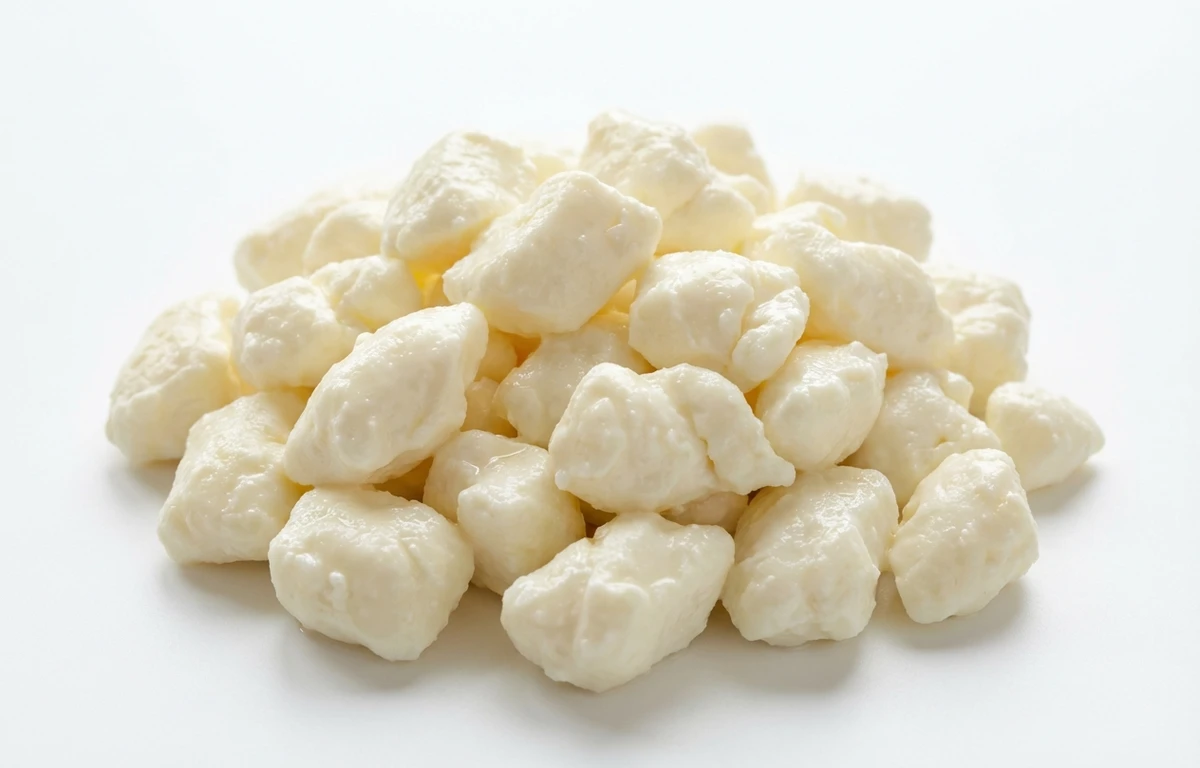
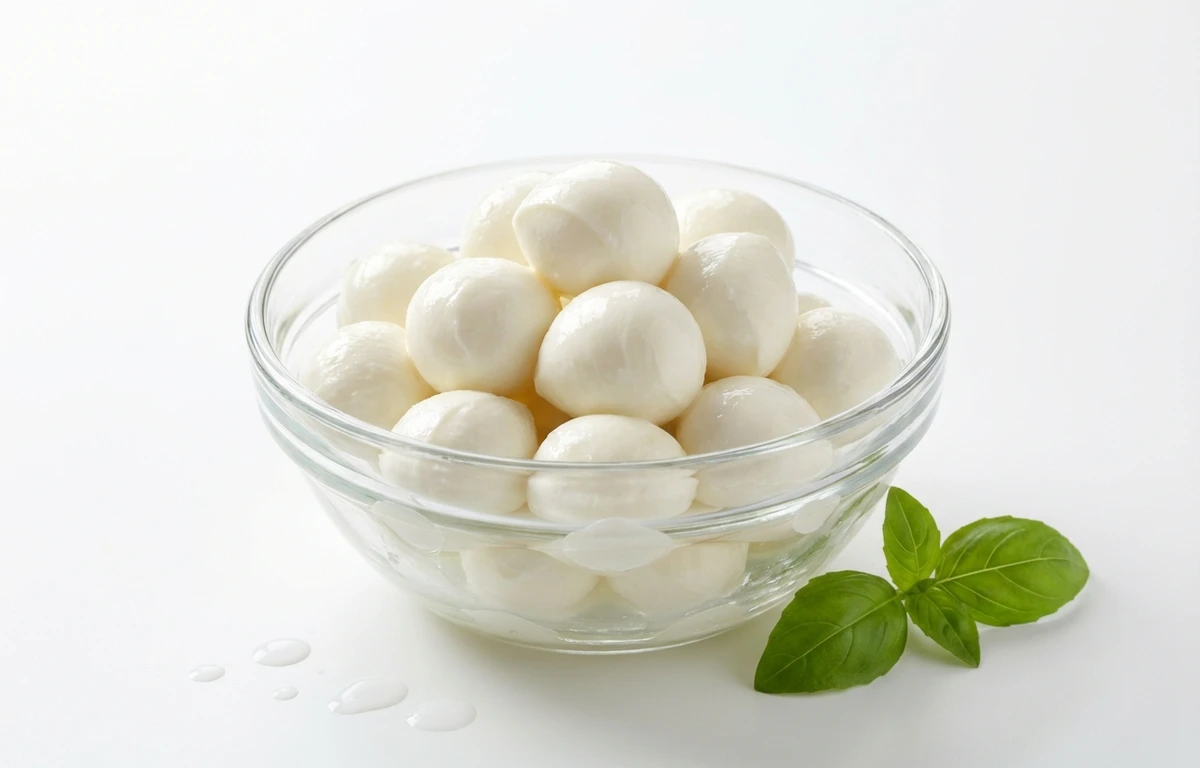
Mozzarella Pearls.
VegetarianVeganGluten-freeDairy-freeNut-freePeanut-freeSoy-freeEgg-freeShellfish-freeHoney-freeAlcohol-freeFermented
ALSO KNOWN AS
mini mozzarella ballsfresh mozzarella pearls
SERVING
CALORIES
280
PROTEIN
18g
CARBS
3.0g
FAT
22g
FIBER
0g
NUTRITION PROFILE · per 100 g
Everything in this ingredient.
MACRONUTRIENTS
Calories280kcal—
Protein18g36%
Carbohydrates3.0g1%
Fiber0g0%
Sugar1.0g2%
Total fat22g28%
Saturated fat14g70%
Trans fat0g—
Cholesterol70mg23%
Water54g—
MINERALS
Sodium480mg21%
Potassium95mg2%
Calcium500mg38%
Iron0.20mg1%
Magnesium20mg5%
Phosphorus350mg28%
Zinc2.5mg23%
Copper0.01mg1%
Manganese0.01mg0%
Selenium14.5µg26%
VITAMINS
Vitamin A180µg20%
Vitamin C0mg0%
Vitamin D0.20µg1%
Vitamin E0.20mg1%
Vitamin K2.3µg2%
Thiamin (B1)0.03mg3%
Riboflavin (B2)0.28mg22%
Niacin (B3)0.10mg1%
Pantothenic acid (B5)0.15mg3%
Vitamin B60.04mg2%
Folate (B9)7.0µg2%
Vitamin B120.90µg38%
%DV based on a 2,000 cal diet. Source: USDA FoodData Central. A dash in the %DV column means there’s no established Daily Value for that nutrient.
MEASUREMENT CONVERSIONS
How much is what.
1 cup160g
1 oz28.4g
1 lb453.6g
1 ml95g
1 piece8g
HEALTH BENEFITS
Why eat it.
- ✓Excellent source of high-quality protein for muscle maintenance
- ✓Rich in calcium for bone health and density
- ✓Contains phosphorus which works with calcium for skeletal strength
- ✓Provides vitamin B12 essential for nerve function
- ✓Contains probiotics that may support gut health
COOKING TIPS
In the kitchen.
- 1Drain and pat dry with a paper towel before adding to salads to prevent sogginess
- 2Add to hot dishes like pizza or pasta at the very end to maintain shape and texture
- 3Bring to room temperature for 15-20 minutes before serving raw to enhance flavor
STORAGE
Keep it fresh.
- Keep submerged in its original liquid (brine or water) to prevent drying
- Store in the coldest part of the refrigerator at or below 4°C (40°F)
- Once opened, consume within 3 to 5 days for optimal freshness
FAQ
Frequently asked questions.
How long do mozzarella pearls last after opening?
Once the container is opened, mozzarella pearls should be consumed within 3 to 5 days for the best quality and safety.
Can you freeze mozzarella pearls?
Freezing is not recommended for fresh mozzarella pearls as it significantly alters the delicate, creamy texture, making it crumbly and watery upon thawing.
What is the best substitute for mozzarella pearls?
The best substitute is a larger ball of fresh mozzarella (bocconcini or a standard ball) cut into small, bite-sized cubes.
Do mozzarella pearls need to be cooked?
No, they are most commonly eaten raw in salads like Caprese, but they can also be melted onto pizzas or into pasta dishes.
Are mozzarella pearls vegetarian?
Most commercial mozzarella pearls are vegetarian as they use microbial rennet, but traditional versions may use animal rennet, so check the label.
How should I select the best mozzarella pearls?
Look for pearls that are bright white in color and submerged in clear, not cloudy, liquid. The cheese should feel springy, not mushy.
Why are they stored in liquid?
Fresh mozzarella has a high moisture content; the liquid (usually water or a light brine) keeps the cheese hydrated and preserves its soft texture.
What are common ways to use mozzarella pearls?
They are perfect for Caprese skewers, tossed into grain bowls, topped on margherita pizzas, or mixed into cold pasta salads.
RECIPES
Cook with mozzarella pearls.
1 recipes · sorted by what’s quick