Other
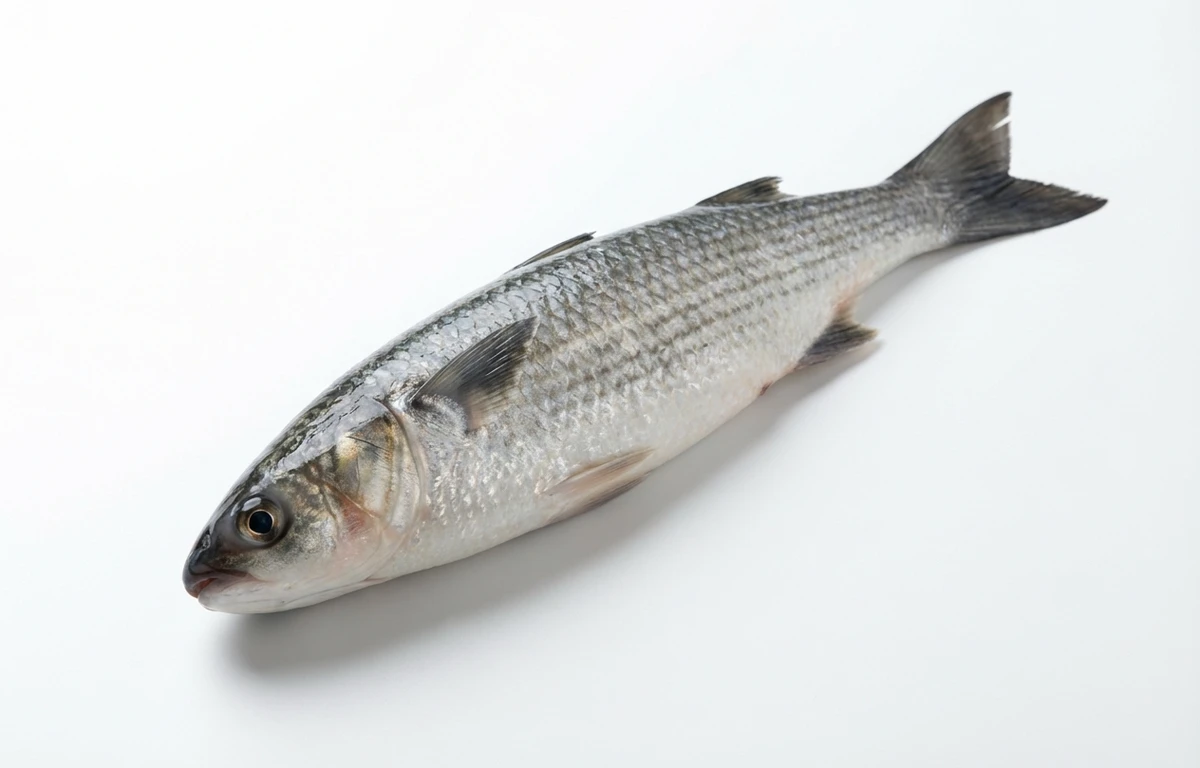
mullet.
VegetarianVeganGluten-freeDairy-freeNut-freePeanut-freeSoy-freeEgg-freeShellfish-freeHoney-freeAlcohol-free
SERVING
CALORIES
94
PROTEIN
20.2g
CARBS
0g
FAT
1.3g
FIBER
0g
This ingredient is flagged as naturally gluten-free. Per 100 g, it provides 0.83 µg of vitamin K.
NUTRITION PROFILE · per 100 g
Everything in this ingredient.
MACRONUTRIENTS
Calories93.9kcal—
Protein20.2g40%
Carbohydrates0g0%
Fiber0g0%
Sugar0g0%
Total fat1.3g2%
Saturated fat0.50g3%
Trans fat0g—
Cholesterol18.3mg6%
Water76.1g—
MINERALS
Sodium66.1mg3%
Potassium331mg7%
Calcium35.2mg3%
Iron1.3mg7%
Magnesium34.1mg8%
Phosphorus222mg18%
Zinc0.45mg4%
Copper0.06mg7%
Manganese0.04mg2%
Selenium40.5µg74%
VITAMINS
Vitamin A18.4µg2%
Vitamin C0mg0%
Vitamin D0.50µg3%
Vitamin E0.53mg4%
Vitamin K0.83µg1%
Thiamin (B1)0.05mg4%
Riboflavin (B2)0.09mg7%
Niacin (B3)2.5mg16%
Pantothenic acid (B5)1.1mg22%
Vitamin B6135mg7941%
Biotin (B7)1189µg3963%
Folate (B9)0µg0%
%DV based on a 2,000 cal diet. Source: USDA FoodData Central. A dash in the %DV column means there’s no established Daily Value for that nutrient.
MEASUREMENT CONVERSIONS
How much is what.
1 oz28.4g
1 lb453.6g
1 piece170g
HEALTH BENEFITS
Why eat it.
- ✓Excellent source of high-quality, complete protein, essential for muscle building and tissue repair.
- ✓Provides significant amounts of Vitamin B12, crucial for nerve function and the formation of red blood cells.
COOKING TIPS
In the kitchen.
- 1Mullet's firm, oily flesh holds up well to high-heat cooking methods like grilling, broiling, and baking.
- 2Due to its rich, sometimes strong flavor, it pairs well with acidic and robust ingredients like lemon, tomatoes, garlic, and fresh herbs like rosemary or thyme.
- 3The skin becomes wonderfully crisp when pan-seared. Ensure the fish is dry and the pan is hot before placing it skin-side down.
- 4Mullet is excellent for smoking, which complements its natural oiliness and nutty flavor.
STORAGE
Keep it fresh.
- Store fresh, raw mullet in the coldest part of the refrigerator (below 40°F or 4°C) and consume within 1-2 days.
- For freezing, wrap the fish tightly in plastic wrap and then aluminum foil or place in a freezer bag, and store at 0°F (-18°C) for up to 3 months for best quality.
FAQ
Frequently asked questions.
Is mullet healthy?
Yes, mullet is a very healthy choice. It's low in calories and fat, while being an excellent source of lean protein and beneficial omega-3 fatty acids. It also provides essential vitamins like B12 and minerals like selenium.
How much protein is in mullet?
A 100g serving of mullet contains approximately 20.23g of high-quality protein. This makes it a significant source of lean protein, comparable to other popular fish and poultry.
Is mullet suitable for a keto or low-carb diet?
Yes, mullet is an excellent choice for keto and low-carb diets. It contains 0g of carbohydrates per 100g serving, along with being high in protein and healthy fats, making it very compatible with these dietary approaches.
Is mullet safe for people with allergies?
Mullet is a type of fish, and like all fish, it is a common allergen. Individuals with fish allergies should avoid mullet. Always check for cross-contamination if preparing for someone with allergies.
What does mullet taste like and how is it best cooked?
Mullet has a distinct, rich, and somewhat nutty flavor, often described as earthy due to its diet. It's excellent grilled, baked, pan-fried, or smoked. Its firm, flaky flesh holds up well to various cooking methods.
Can mullet be eaten raw?
While some fish can be eaten raw (like sushi-grade tuna or salmon), it is generally not recommended to eat mullet raw due to potential parasites and bacteria. It should always be cooked thoroughly to an internal temperature of 145°F (63°C) to ensure safety.
How do I select fresh mullet and how should I store it?
Look for mullet with clear, bulging eyes, bright red gills, and firm, shiny skin. It should have a fresh, mild sea smell, not a strong "fishy" odor. Store fresh mullet on ice in the coldest part of your refrigerator and consume within 1-2 days.
Does mullet contain mercury?
Mullet is generally considered a low-mercury fish, especially compared to larger, longer-lived predatory fish. It's a good choice for regular consumption, even for pregnant women and young children, though moderation is always advised for any seafood.
Is mullet sustainable?
Sustainability of mullet can vary by region and fishing method. Look for mullet caught using responsible methods, such as those certified by organizations like the Marine Stewardship Council (MSC), to ensure it's a sustainable choice. Check local seafood guides for the most current information.
RECIPES
Cook with mullet.
0 recipes · sorted by what’s quick