Loading...
Per 100g
Nutrition data source: USDA FoodData Central
Common measurement equivalents in grams
Yes, Murungai Keerai (Moringa leaves) is considered a superfood because it is exceptionally nutrient-dense. It is rich in antioxidants, vitamin C, and iron, which help boost immunity and protect cells from damage. It also supports bone health due to its high calcium and vitamin K content.
Murungai Keerai is one of the highest-protein leafy greens available, containing approximately 9.4g of protein per 100g. This makes it an excellent plant-based protein source for vegetarians and vegans looking to supplement their intake.
Yes, it is very beneficial for weight management as it contains only 64 calories per 100g while being high in protein and fiber. These nutrients promote satiety, helping you feel full for longer periods and reducing the urge to snack.
Yes, Murungai Keerai is highly recommended for diabetics. It contains compounds that may help lower blood sugar levels and improve insulin sensitivity, making it a functional food for managing glucose levels.
With 13.4g of total carbohydrates per 100g, it can be included in a keto diet in moderation. Because a significant portion of these carbs is dietary fiber, the net carb count is low enough to fit within most low-carb lifestyles.
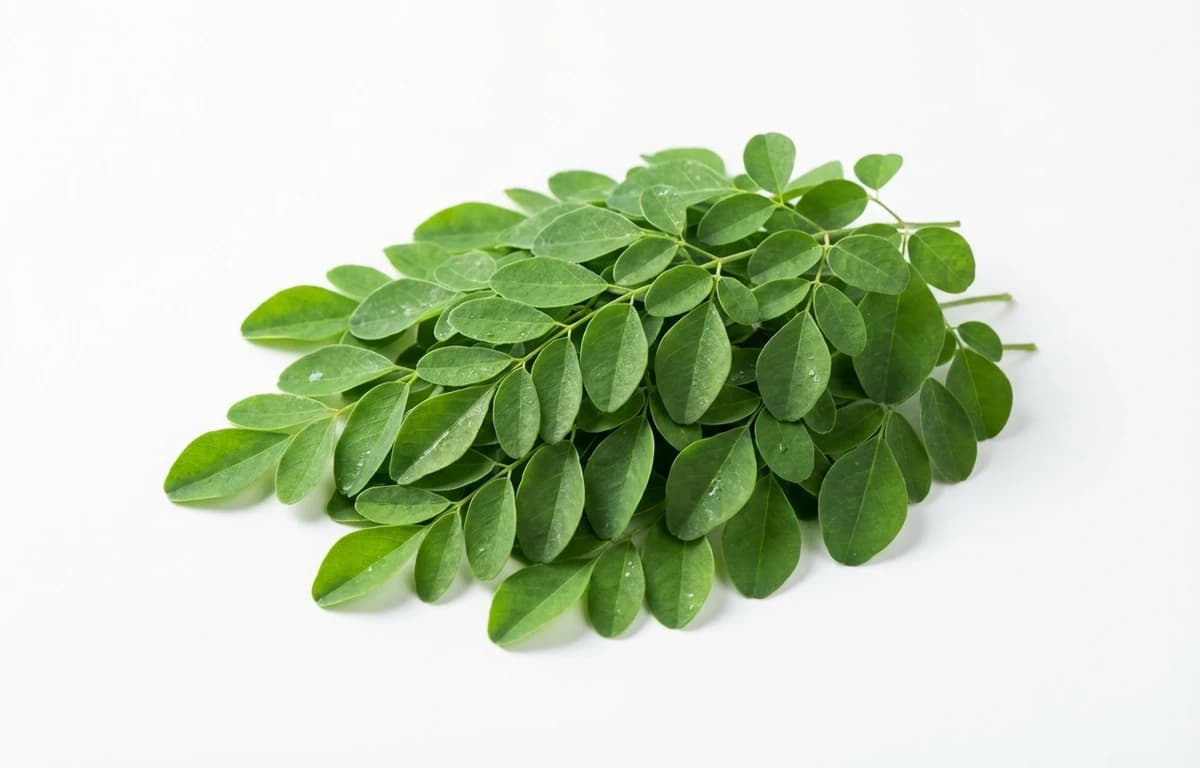
To prepare, you must strip the small leaves from the tough, woody stems, as the stems are indigestible. The leaves are best sautéed with onions and coconut, or stirred into dals and soups at the end of the cooking process to preserve their nutrients.
It has a unique earthy and slightly nutty flavor with a mild peppery bite, similar to a cross between spinach and arugula. When cooked, the texture is tender and the flavor becomes more subtle and savory.
Murungai Keerai is a versatile ingredient found in cuisines around the world. With 64 calories per 100g and 9.4 grams of protein, it's a nutritious addition to many dishes.
Explore more ingredients in the vegetable category with complete nutrition information.
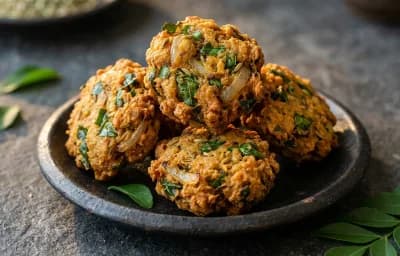
View all vegetable →Discover 1 recipes featuring murungai keerai with step-by-step instructions.
Browse recipes →While young leaves can be consumed raw in smoothies or salads, it is generally recommended to cook them. Cooking helps break down the fibrous cell walls and reduces anti-nutrients, which increases the bioavailability of its iron and calcium.
Store unwashed leaves in a breathable bag or wrapped in a dry paper towel in the refrigerator. They are highly perishable and should be used within 2 to 3 days, as the leaves will begin to yellow and fall off the stems quickly.
Yes, it is an excellent dietary addition for those with anemia. It is naturally high in iron and also contains vitamin C, which is essential for the body to effectively absorb plant-based iron into the bloodstream.