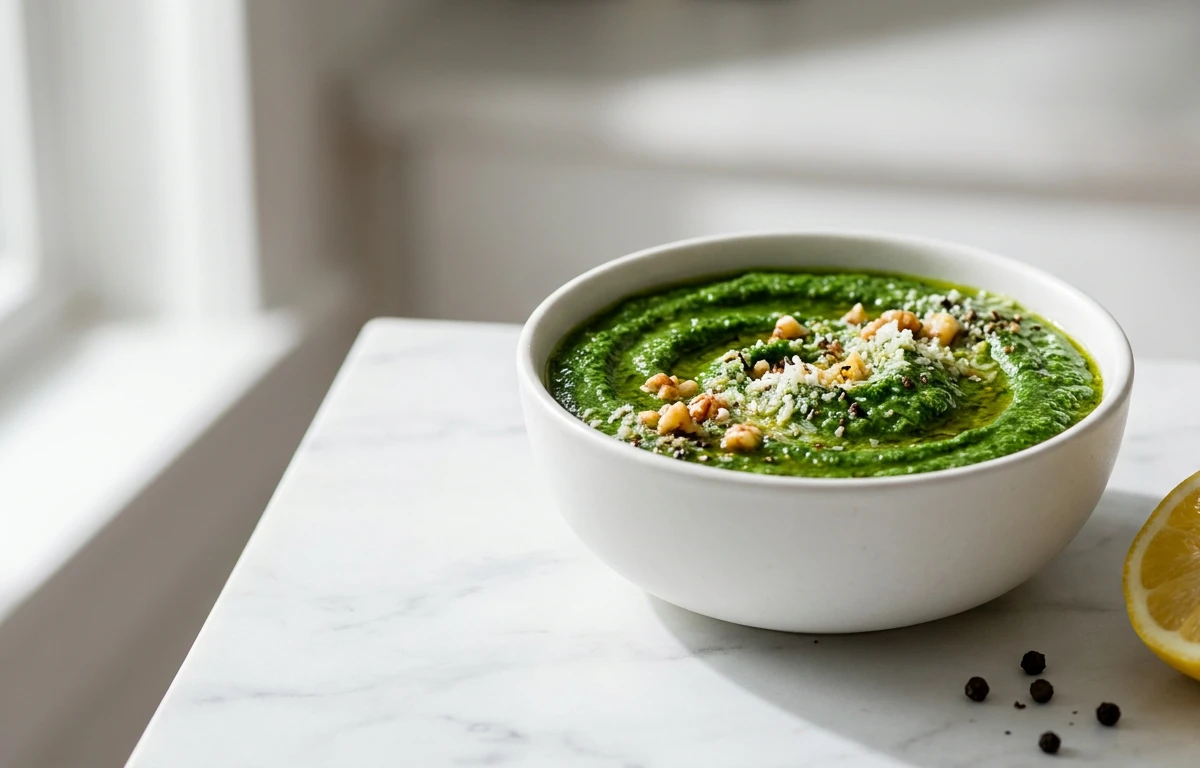
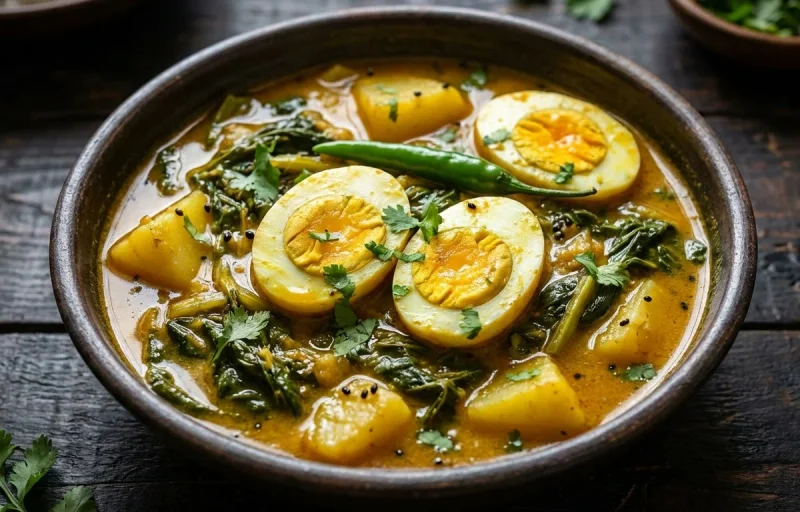
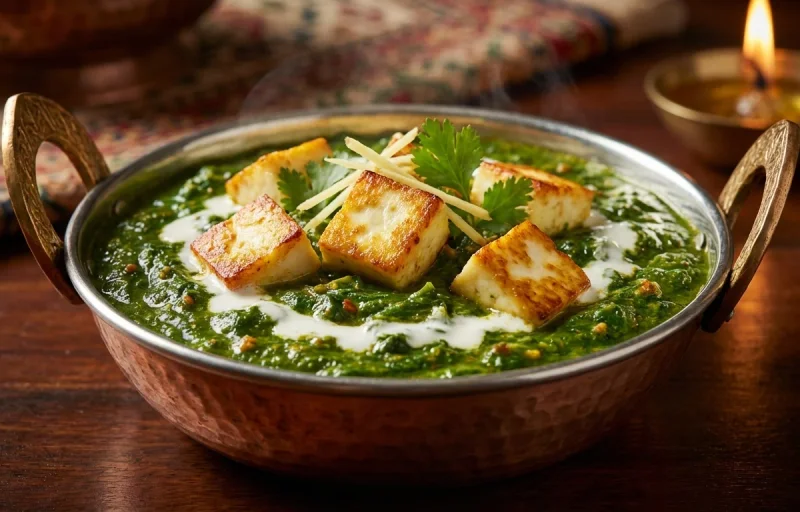
Vegetable2 recipes
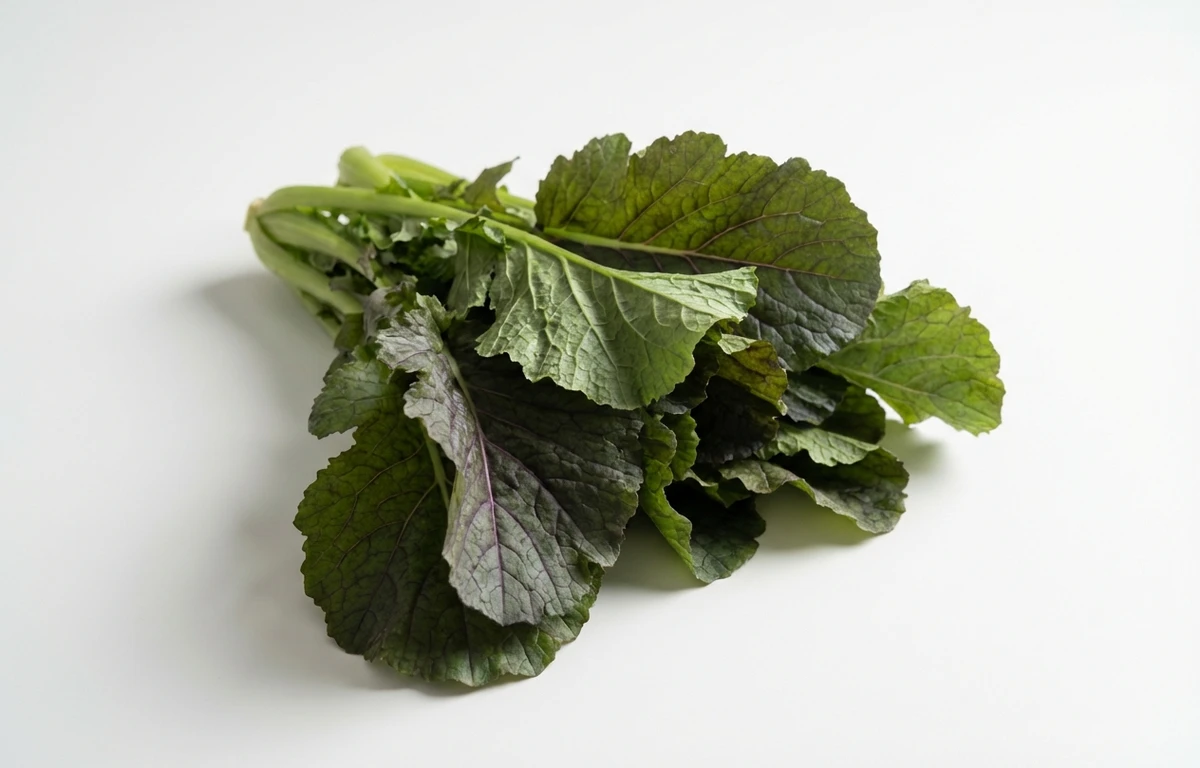
mustard leaves.
VegetarianVeganGluten-freeDairy-freeNut-freePeanut-freeSoy-freeEgg-freeShellfish-freeHoney-freeAlcohol-free
SERVING
CALORIES
30
PROTEIN
3.5g
CARBS
2.4g
FAT
0.51g
FIBER
3.9g
This ingredient is flagged as naturally gluten-free. Per 100 g, it provides 192 µg of vitamin K.
NUTRITION PROFILE · per 100 g
Everything in this ingredient.
MACRONUTRIENTS
Calories30.4kcal—
Protein3.5g7%
Carbohydrates2.4g1%
Fiber3.9g14%
Sugar0.04g0%
Total fat0.51g1%
Saturated fat0.14g1%
Trans fat0g—
Cholesterol0mg0%
Water88.2g—
MINERALS
Sodium19.1mg1%
Potassium403mg9%
Calcium191mg15%
Iron2.8mg16%
Magnesium51.6mg12%
Phosphorus71.6mg6%
Zinc0.68mg6%
Copper0.24mg27%
Manganese0.41mg18%
Selenium8.0µg15%
VITAMINS
Vitamin A2619µg291%
Vitamin C60.3mg67%
Vitamin D5.4µg27%
Vitamin E0.57mg4%
Vitamin K192µg160%
Thiamin (B1)0.08mg7%
Riboflavin (B2)0.18mg14%
Niacin (B3)0.58mg4%
Pantothenic acid (B5)0.26mg5%
Vitamin B60.16mg9%
Biotin (B7)1.7µg6%
Folate (B9)110µg28%
%DV based on a 2,000 cal diet. Source: USDA FoodData Central. A dash in the %DV column means there’s no established Daily Value for that nutrient.
MEASUREMENT CONVERSIONS
How much is what.
1 cup30g
1 tablespoon1.9g
1 teaspoon0.6g
1 oz28.4g
1 lb453.6g
1 ml0.1g
1 liter127g
COOKING TIPS
In the kitchen.
- 1To reduce their natural peppery bitterness, blanch the leaves in boiling salted water for a minute before using them in your main recipe.
- 2Mustard leaves pair well with rich, savory, and smoky flavors like bacon, ham hocks, garlic, and onions. A splash of vinegar or lemon juice at the end of cooking can brighten the flavor.
- 3They cook down significantly, much like spinach. A large bunch will yield a much smaller cooked volume, so plan accordingly.
- 4Young, tender leaves can be used raw in salads for a spicy kick, but mature leaves are best cooked via sautéing, braising, or steaming.
STORAGE
Keep it fresh.
- Wrap unwashed leaves loosely in a damp paper towel and place them in a perforated plastic bag in the refrigerator's crisper drawer for up to 5 days.
- For long-term storage, blanch the leaves for 2-3 minutes, shock them in an ice bath, drain thoroughly, and freeze in an airtight container or freezer bag for up to 10-12 months.
FAQ
Frequently asked questions.
How do you cook mustard leaves?
Mustard leaves are often blanched or sautéed to reduce their slightly bitter and pungent flavor. They can be added to stir-fries, curries, soups, or simply cooked down with garlic and spices as a side dish. They are a staple in many regional cuisines, especially in South Asia.
What do mustard leaves taste like?
Fresh mustard leaves have a distinct pungent, peppery, and slightly bitter taste, similar to a milder version of mustard greens or arugula. Cooking them mellows the bitterness and brings out a more earthy, savory flavor.
Can you eat mustard leaves raw?
Yes, you can eat young, tender mustard leaves raw, often added to salads for a peppery kick. However, mature leaves can be quite pungent and fibrous, so they are typically preferred cooked to soften their texture and mellow their strong flavor.
How do you store fresh mustard leaves?
To store fresh mustard leaves, wash them thoroughly, pat them dry, and wrap them loosely in a damp paper towel. Place them in a perforated plastic bag or an airtight container in the crisper drawer of your refrigerator. They typically stay fresh for 3-5 days.
How do you know if mustard leaves are fresh?
Look for mustard leaves that are vibrant green, crisp, and free from yellowing, wilting, or brown spots. The stems should be firm, not slimy or soft. Avoid bunches with any signs of decay or excessive moisture.
RECIPES
Cook with mustard leaves.
2 recipes · sorted by what’s quick