Mutton Shanks
Also known as: sheep shanks
Loading...
Also known as: sheep shanks
Per 100g
Nutrition data source: USDA FoodData Central
Common measurement equivalents in grams
Mutton shanks come from adult sheep (over 1 year old), while lamb shanks come from young sheep. Mutton has a stronger, more 'gamey' flavor and a tougher texture that requires longer cooking.
Because they are high in connective tissue, mutton shanks typically require 3 to 4 hours of slow braising or about 45-60 minutes in a pressure cooker to become tender.
Yes, beef shanks are a good substitute, though they are larger and may have a slightly different flavor profile. Lamb shanks are the closest substitute in terms of size.
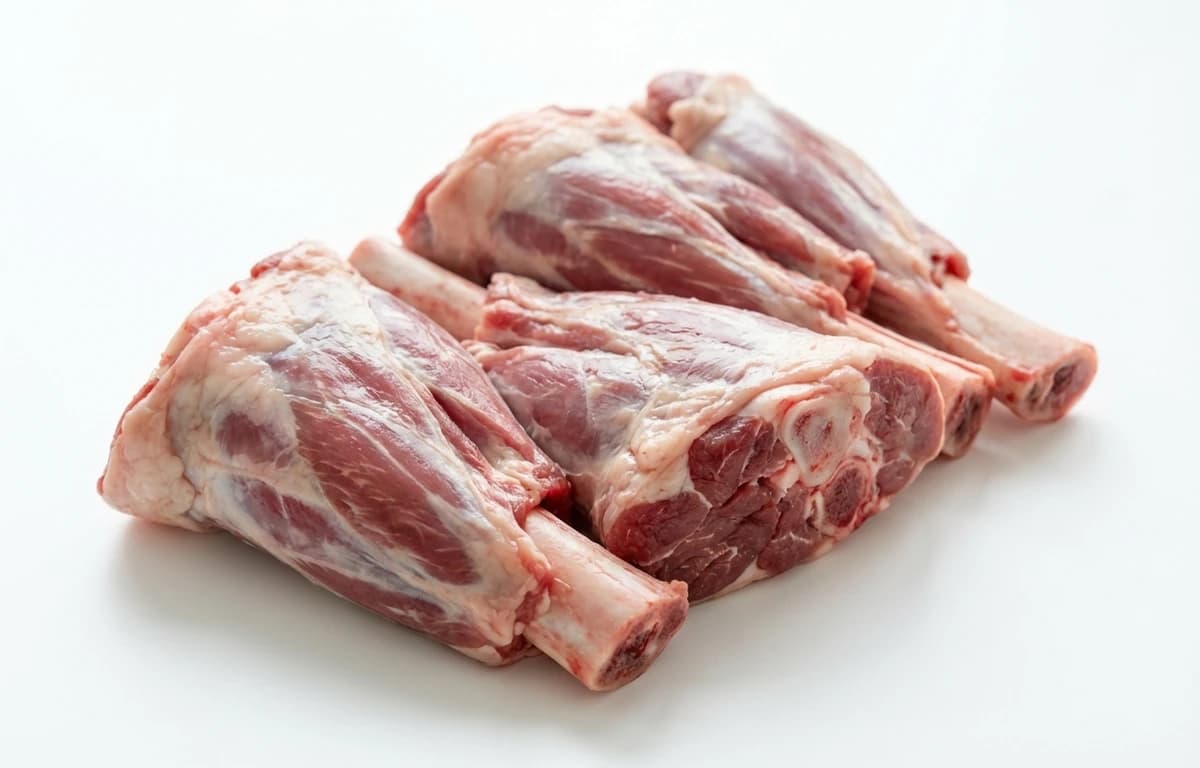
Look for meat that is deep red in color with firm, white fat. Avoid meat that looks grey, feels slimy, or has a sour odor.
While not strictly necessary for tenderness (which comes from slow cooking), marinating in acidic ingredients like yogurt or vinegar can help enhance flavor and slightly soften the fibers.
They are very nutritious, providing essential minerals and vitamins, though they are higher in saturated fat than poultry or fish.
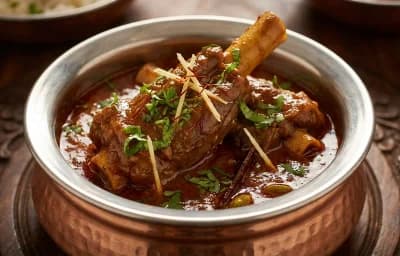
Popular dishes include Indian Nihari, Rogan Josh, Irish Stew, and various Mediterranean braised preparations.
No, it is best to cook them on the bone. The marrow and bone contribute significant flavor and body to the cooking liquid.
Mutton Shanks is a versatile ingredient found in cuisines around the world. With 202 calories per 100g and 18.5 grams of protein, it's a nutritious addition to many dishes.
Explore more ingredients in the meat category with complete nutrition information.
View all meat →Discover 4 recipes featuring mutton shanks with step-by-step instructions.
Browse recipes →