
Protein
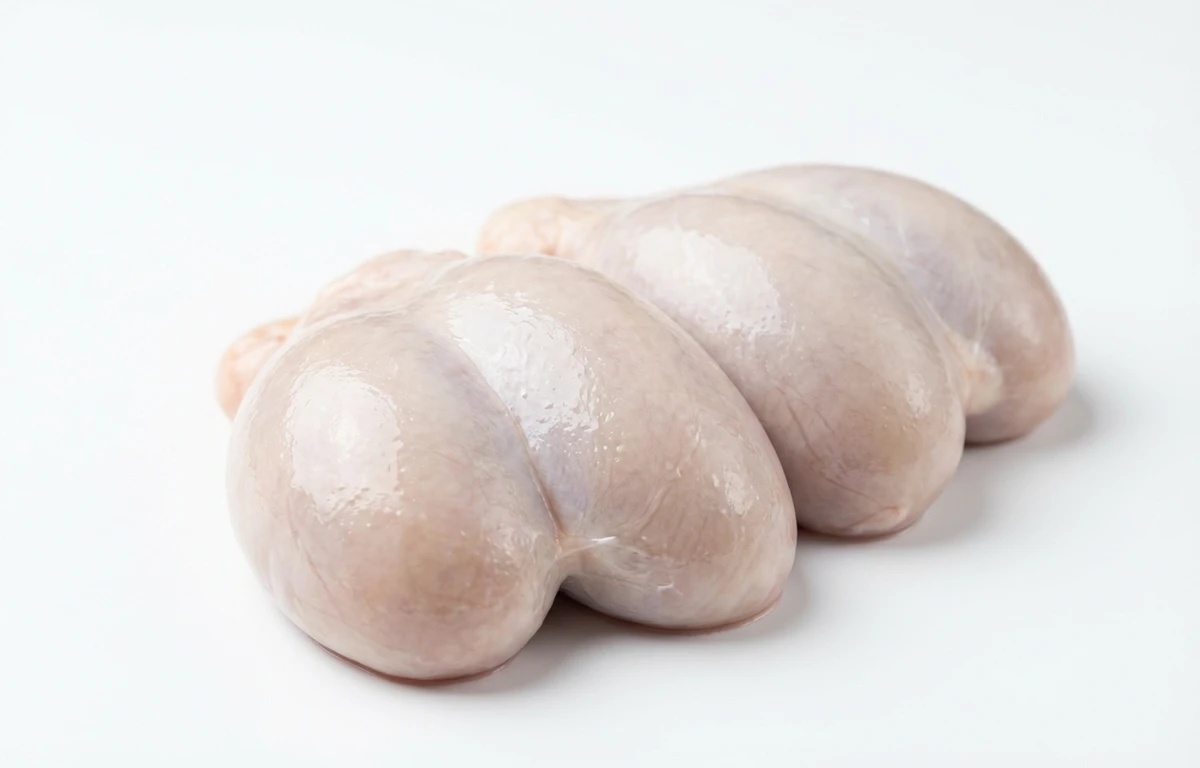
mutton testicles.
VegetarianVeganGluten-freeDairy-freeNut-freePeanut-freeSoy-freeEgg-freeShellfish-freeHoney-freeAlcohol-freeKosher
ALSO KNOWN AS
lamb testicleslamb friesmutton kapoora
SERVING
CALORIES
135
PROTEIN
14.8g
CARBS
0g
FAT
8.5g
FIBER
0g
NUTRITION PROFILE · per 100 g
Everything in this ingredient.
MACRONUTRIENTS
Calories135kcal—
Protein14.8g30%
Carbohydrates0g0%
Fiber0g0%
Sugar0g0%
Total fat8.5g11%
Saturated fat3.0g15%
Cholesterol375mg125%
MINERALS
Sodium110mg5%
Potassium240mg5%
Calcium10mg1%
Iron2.7mg15%
Magnesium14mg3%
Phosphorus220mg18%
Zinc1.8mg16%
VITAMINS
Vitamin C2.0mg2%
Thiamin (B1)0.11mg9%
Riboflavin (B2)0.35mg27%
Niacin (B3)3.8mg24%
Vitamin B60.15mg9%
%DV based on a 2,000 cal diet. Source: USDA FoodData Central. A dash in the %DV column means there’s no established Daily Value for that nutrient.
MEASUREMENT CONVERSIONS
How much is what.
1 oz28.4g
1 lb453.6g
1 piece85g
HEALTH BENEFITS
Why eat it.
- ✓Excellent source of high-quality protein, essential for muscle building and repair.
- ✓Rich in zinc, which supports immune function, wound healing, and reproductive health.
- ✓Provides a good source of B vitamins, particularly Vitamin B12, crucial for nerve function and red blood cell formation.
- ✓Contains iron, which is vital for oxygen transport in the blood and preventing anemia.
COOKING TIPS
In the kitchen.
- 1Before cooking, it is essential to remove the tough outer membrane for a more palatable and tender texture.
- 2Blanching them in boiling salted water for a few minutes can make them firmer and easier to peel and slice.
- 3They are often sliced, battered or breaded, and then pan-fried or deep-fried until golden brown.
- 4Marinating in acidic ingredients like lemon juice or vinegar with herbs can help tenderize the meat and add flavor before grilling or sautéing.
STORAGE
Keep it fresh.
- Store fresh mutton testicles in the coldest part of the refrigerator (at or below 40°F / 4°C) and cook within 1-2 days.
- For longer storage, freeze them in an airtight, freezer-safe bag or container at 0°F (-18°C) for up to 3 months.
FAQ
Frequently asked questions.
Are mutton testicles healthy?
Yes, mutton testicles are a nutrient-dense food. They are an excellent source of high-quality protein, essential for muscle building and repair. They also provide significant amounts of zinc, B vitamins (especially B12), and iron, which support immune function, nerve health, and oxygen transport.
What are the key nutritional benefits of mutton testicles?
Mutton testicles are rich in several vital nutrients. They are an excellent source of zinc, crucial for immune health and reproductive function, and provide a good amount of Vitamin B12, essential for nerve function and red blood cell formation. They also contain iron, which helps prevent anemia, and are packed with high-quality protein.
How much protein and calories are in mutton testicles?
Per 100g, mutton testicles contain approximately 135 calories and 14.8g of protein. They also have 8.5g of fat and 0g of carbohydrates, making them a good option for those seeking high-protein, low-carb foods.
Are mutton testicles keto-friendly or low-carb?
Yes, mutton testicles are very keto-friendly and low-carb. They contain 0g of carbohydrates per 100g, making them an excellent protein and fat source for ketogenic or low-carb diets.
Are mutton testicles gluten-free?
Yes, mutton testicles are naturally gluten-free. As a whole, unprocessed meat product, they do not contain any gluten, making them suitable for individuals with celiac disease or gluten sensitivity.
How do you typically prepare and cook mutton testicles?
Mutton testicles are often prepared by first blanching or peeling them to remove the outer membrane. They can then be sliced and pan-fried, grilled, stewed, or added to curries. Common preparations include breading and frying, or sautéing with onions and spices.
What do mutton testicles taste and feel like?
Mutton testicles have a mild, slightly gamey flavor, often described as similar to kidney or liver but less intense. Their texture is typically very tender and creamy, almost custard-like when cooked properly, which makes them unique among offal.
How should fresh mutton testicles be stored?
Fresh mutton testicles should be stored in the coldest part of your refrigerator, ideally in an airtight container or wrapped tightly, and consumed within 1-2 days. For longer storage, they can be frozen for up to 3-4 months.
How can you tell if mutton testicles are fresh?
Fresh mutton testicles should have a smooth, firm texture and a uniform, light pinkish-grey color. Avoid any that appear discolored, slimy, or have a strong, off-putting odor, as these are signs of spoilage.
Are mutton testicles considered halal or kosher?
For mutton testicles to be considered halal, the animal must be slaughtered according to Islamic dietary laws. Similarly, for kosher, the animal must be slaughtered according to Jewish dietary laws, and the testicles themselves are generally considered kosher if from a kosher animal and properly prepared, though some traditions may have specific interpretations regarding offal.



















