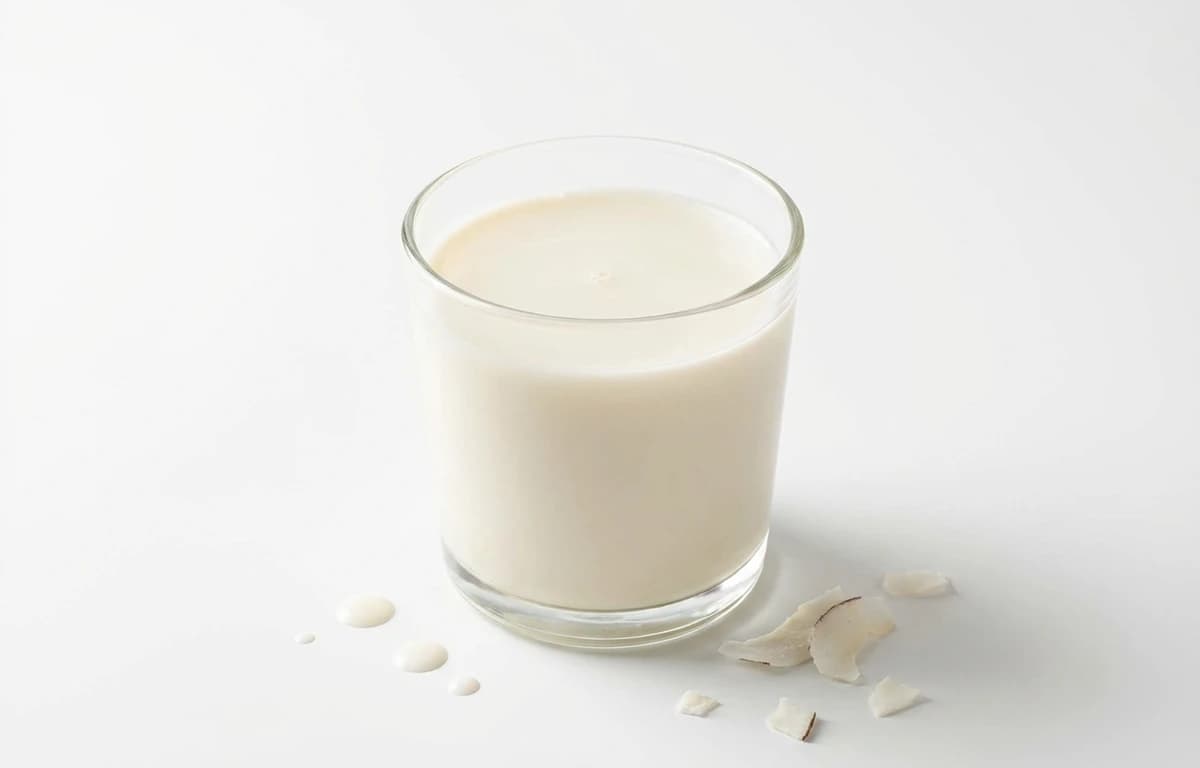
neerpanas
Also known as:
Loading...
Also known as:
Per 100g
Nutrition data source: USDA FoodData Central
Yes, neerpanas is very healthy. It's rich in complex carbohydrates and dietary fiber, promoting digestive health and providing sustained energy. It's also an excellent source of potassium, Vitamin C, and B-vitamins, offering antioxidant benefits and supporting heart health.
Per 100g, neerpanas contains approximately 103 calories, 1.07g protein, 27.12g carbohydrates, and 0.23g fat. It is primarily a source of energy from complex carbohydrates and provides good dietary fiber.
While neerpanas is relatively high in carbohydrates and calories, its significant fiber content can help promote satiety, which may assist in weight management by reducing overall food intake. However, portion control is important due to its caloric density.
Neerpanas is high in carbohydrates, so individuals with diabetes should consume it in moderation and monitor their blood sugar levels. Its fiber content can help slow sugar absorption, but consulting a healthcare professional for personalized advice is recommended.
Yes, as a natural fruit, neerpanas is inherently vegan and gluten-free. It is suitable for individuals following plant-based diets or those with gluten sensitivities and allergies.
Ripe neerpanas can be eaten raw, often peeled and sliced. Unripe neerpanas is typically cooked and can be used in various savory dishes like curries, stews, or roasted preparations, similar to a vegetable.
The taste of neerpanas varies with ripeness. When ripe, it is generally sweet and slightly starchy with a unique tropical aroma. Unripe neerpanas is firmer, more starchy, and less sweet, making it suitable for savory cooking.
neerpanas is a versatile ingredient found in cuisines around the world. With 103 calories per 100g and 1.07 grams of protein, it's a nutritious addition to many dishes.
Explore more ingredients in the fruit category with complete nutrition information.
View all fruit →Unripe neerpanas can be stored at room temperature to allow it to ripen. Once ripe, it should be refrigerated to extend its freshness for several days. For longer storage, it can be peeled, cut, and frozen.
A ripe neerpanas will typically have a softer texture when gently squeezed, a distinct sweet and fragrant aroma, and its skin might show some yellowing or slight browning. Unripe neerpanas is firm and green.
Yes, ripe neerpanas can be eaten raw. It is often enjoyed fresh, peeled and sliced, as a sweet and nutritious fruit. Unripe neerpanas, however, is typically cooked due to its firm and starchy texture.