
Oil4 recipes
neutral oil.
VegetarianVeganGluten-freeDairy-freeNut-freePeanut-freeSoy-freeEgg-freeShellfish-freeHoney-freeAlcohol-free
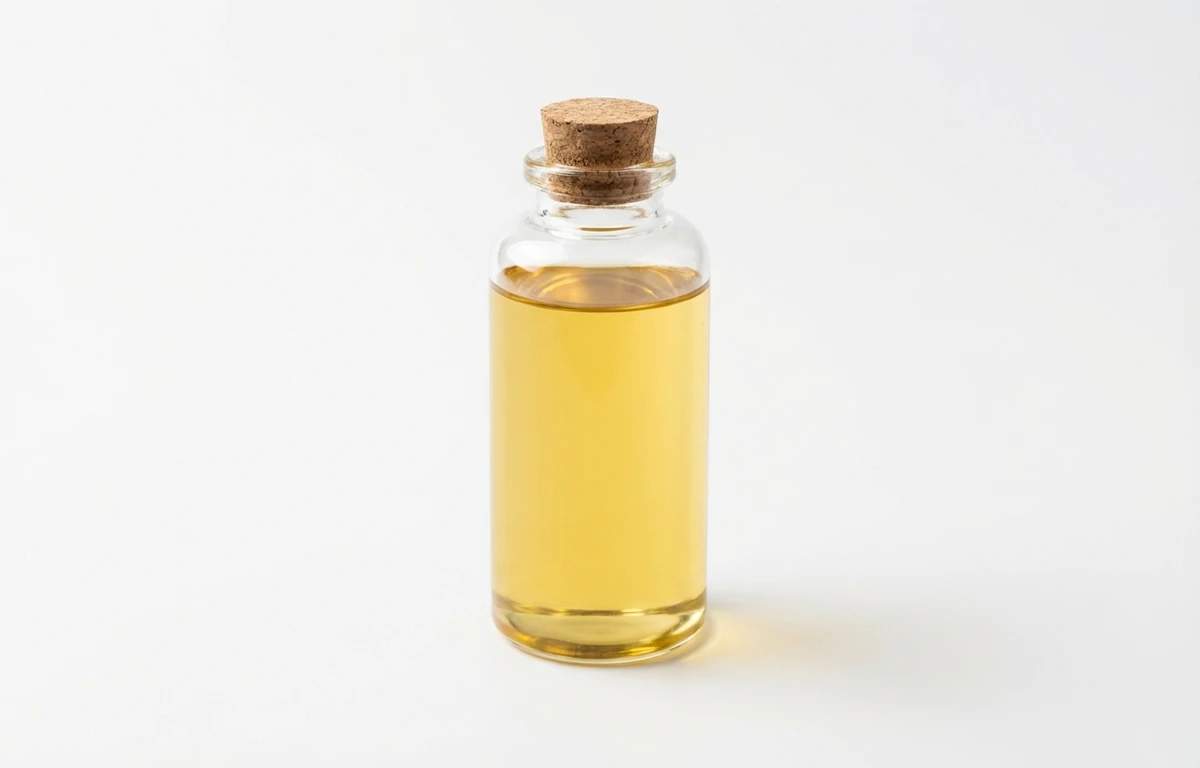
SERVING
CALORIES
900
PROTEIN
0g
CARBS
0g
FAT
100g
FIBER
0g
NUTRITION PROFILE · per 100 g
Everything in this ingredient.
MACRONUTRIENTS
Calories900kcal—
Protein0g0%
Carbohydrates0g0%
Fiber0g0%
Sugar0g0%
Total fat100g128%
Saturated fat7.4g37%
Cholesterol0mg0%
Water0g—
MINERALS
Sodium0mg0%
Potassium0mg0%
Calcium0mg0%
Iron0mg0%
VITAMINS
Vitamin A0µg0%
Vitamin C0mg0%
Vitamin D0µg0%
Vitamin E17.3mg115%
%DV based on a 2,000 cal diet. Source: USDA FoodData Central. A dash in the %DV column means there’s no established Daily Value for that nutrient.
MEASUREMENT CONVERSIONS
How much is what.
1 cup220.8g
1 tablespoon14g
1 teaspoon4.6g
1 ml0.9g
1 liter920g
HEALTH BENEFITS
Why eat it.
- ✓Many neutral oils (e.g., canola, sunflower) are high in unsaturated fats, which can help lower LDL (bad) cholesterol and support heart health.
- ✓Certain types, like sunflower and safflower oil, are excellent sources of Vitamin E, an antioxidant that protects cells from oxidative damage.
- ✓Their high smoke points make them stable for high-heat cooking, reducing the formation of harmful compounds compared to less stable oils.
- ✓Can be a source of essential fatty acids like omega-6 and, in the case of canola oil, omega-3 (ALA), which are vital for brain function and overall health.
COOKING TIPS
In the kitchen.
- 1Ideal for high-heat cooking methods such as deep-frying, searing, and stir-frying due to high smoke points (often 400-450°F / 204-232°C).
- 2Use in baking for recipes like cakes and muffins where you need moisture without adding a distinct flavor.
- 3Perfect as a base for homemade mayonnaise, aioli, or light vinaigrettes where you want other flavors like herbs, garlic, or vinegar to be prominent.
STORAGE
Keep it fresh.
- Store in a cool, dark place like a pantry, away from the stove and direct sunlight, to prevent the oil from becoming rancid.
- Keep the cap tightly sealed to minimize exposure to air (oxygen), which accelerates degradation.
- For best quality, use an opened bottle within 3 to 6 months.
FAQ
Frequently asked questions.
Is neutral oil healthy?
Neutral oils like canola and sunflower are high in unsaturated fats, which can support heart health by lowering LDL (bad) cholesterol. Some also provide Vitamin E, an antioxidant. However, they are calorie-dense, so moderation is key for a balanced diet.
What are the nutritional facts for neutral oil?
Per 100g, neutral oils contain approximately 900 calories and 100g of fat. They contain no protein or carbohydrates. The fat content is primarily unsaturated, with varying ratios of monounsaturated and polyunsaturated fats depending on the specific oil.
What does 'neutral oil' mean in cooking?
A 'neutral oil' refers to an oil that has a very mild flavor and a high smoke point. This makes it versatile for cooking methods where you don't want the oil to impart a strong taste, such as frying, sautéing, baking, or making dressings.
Are neutral oils good for heart health?
Many neutral oils, such as canola, sunflower, and safflower oil, are rich in unsaturated fats (monounsaturated and polyunsaturated). These fats can help reduce LDL (bad) cholesterol levels, contributing to better cardiovascular health when consumed as part of a balanced diet.
Is neutral oil vegan and gluten-free?
Yes, neutral oils are inherently vegan as they are derived from plants (seeds, fruits). They are also naturally gluten-free, making them suitable for individuals following vegan or gluten-free diets.
Is neutral oil keto-friendly?
Yes, neutral oils are highly keto-friendly. They consist entirely of fat with zero carbohydrates and protein, making them an excellent source of dietary fat for those following a ketogenic diet.
What are the best uses for neutral oil in cooking?
Neutral oils are ideal for high-heat cooking methods like deep-frying, stir-frying, and searing due to their high smoke points. They are also excellent for baking, making salad dressings, or any application where a subtle flavor is desired.
How should I store neutral oil to keep it fresh?
To maintain freshness and prevent rancidity, store neutral oil in a cool, dark place away from direct sunlight and heat. Ensure the cap is tightly sealed after each use to minimize exposure to air. Refrigeration is generally not necessary unless specified by the manufacturer.
How long does neutral oil typically last?
Unopened neutral oils can last for up to two years, but once opened, they are best used within 3-6 months. Over time, exposure to air, light, and heat can cause them to go rancid, developing an an off-flavor and smell.
Do neutral oils provide any essential vitamins?
Yes, certain neutral oils are good sources of Vitamin E. For example, sunflower and safflower oils are particularly rich in this antioxidant, which plays a crucial role in protecting cells from oxidative damage. Canola oil also provides some Omega-3 (ALA).
RECIPES
Cook with neutral oil.
4 recipes · sorted by what’s quick



















