
Dairy
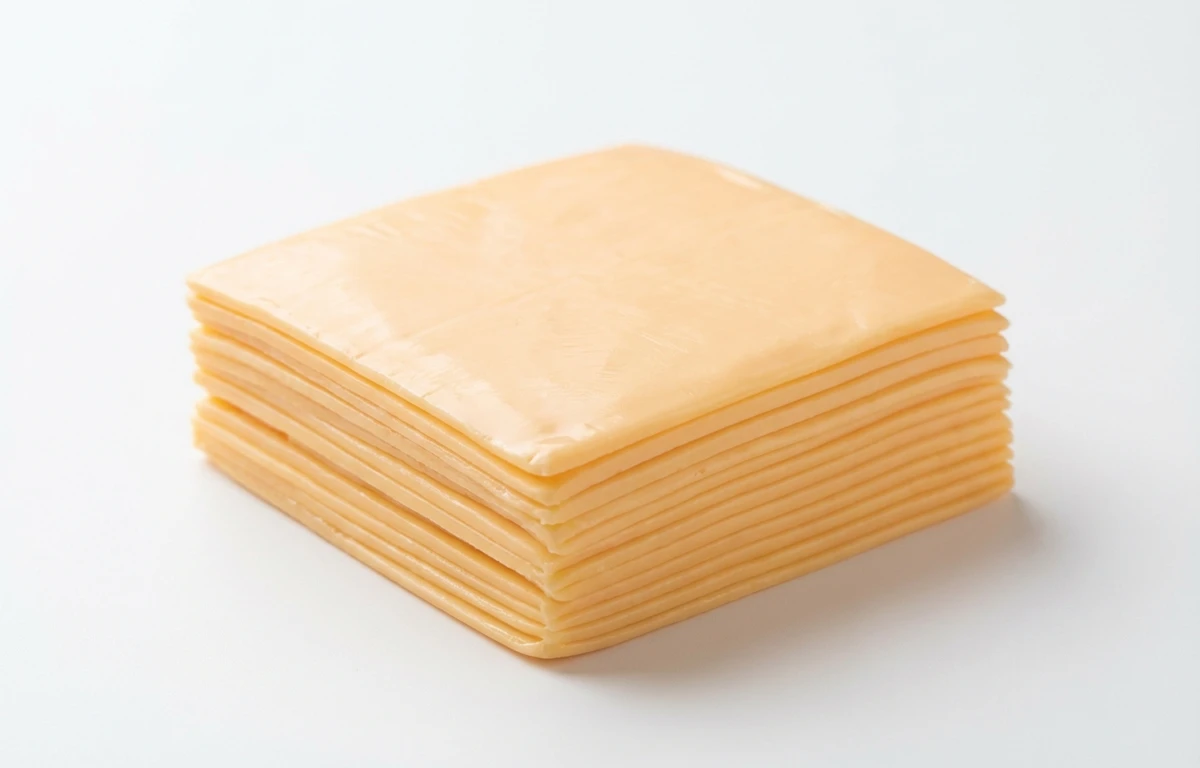
nonfat american cheese.
VegetarianVeganGluten-freeDairy-freeNut-freePeanut-freeEgg-freeShellfish-freeHoney-freeAlcohol-freeFermented
ALSO KNOWN AS
fat free american cheese
SERVING
CALORIES
126
PROTEIN
21.1g
CARBS
10.5g
FAT
0g
FIBER
0g
NUTRITION PROFILE · per 100 g
Everything in this ingredient.
MACRONUTRIENTS
Calories126kcal—
Protein21.1g42%
Carbohydrates10.5g4%
Fiber0g0%
Sugar5.3g11%
Total fat0g0%
Saturated fat0g0%
Trans fat0g—
Cholesterol26mg9%
Water65.5g—
MINERALS
Sodium1316mg57%
Potassium393mg8%
Calcium789mg61%
Iron0mg0%
Magnesium115mg27%
Phosphorus316mg25%
Zinc4.1mg37%
Copper0.56mg62%
Selenium14.6µg27%
VITAMINS
Vitamin A56µg6%
Vitamin C0mg0%
Vitamin D0.10µg1%
Vitamin E0.27mg2%
Vitamin K0.20µg0%
Thiamin (B1)0.41mg34%
Riboflavin (B2)0.55mg42%
Niacin (B3)5.6mg35%
Vitamin B60.57mg34%
Folate (B9)9.0µg2%
Vitamin B121.9µg77%
%DV based on a 2,000 cal diet. Source: USDA FoodData Central. A dash in the %DV column means there’s no established Daily Value for that nutrient.
MEASUREMENT CONVERSIONS
How much is what.
1 cup227g
1 tablespoon14.2g
1 teaspoon4.7g
1 oz28.4g
1 lb453.6g
1 ml1g
1 liter960g
1 piece20g
HEALTH BENEFITS
Why eat it.
- ✓Lower in fat and calories compared to full-fat cheese, which can support weight management goals.
- ✓A good source of calcium and phosphorus, essential minerals for building and maintaining strong bones and teeth.
- ✓Provides high-quality, complete protein necessary for muscle repair, growth, and overall body function.
- ✓Contains Vitamin D (if fortified), which aids in calcium absorption and supports immune function.
COOKING TIPS
In the kitchen.
- 1Melts exceptionally well due to emulsifying salts, making it ideal for smooth cheese sauces, grilled cheese sandwiches, and burgers.
- 2Use low to medium heat when melting to prevent it from becoming oily or rubbery, especially given its low fat content.
- 3Incorporate slices into casseroles or layered dishes for a creamy, binding effect.
- 4Easily tear or chop slices to add to scrambled eggs or omelets during the last minute of cooking.
STORAGE
Keep it fresh.
- Keep refrigerated at or below 40°F (4°C) in its original packaging or an airtight container.
- For best quality and to prevent drying out, consume within 5-7 days after opening.
- Freezing is not recommended as it will negatively affect the texture, making it crumbly and watery upon thawing.
FAQ
Frequently asked questions.
Is nonfat American cheese healthy?
Nonfat American cheese can be a healthier alternative to full-fat cheeses, offering a good source of protein and calcium with significantly fewer calories and no fat. It supports bone health and muscle maintenance. However, like most processed cheeses, it can be high in sodium, so moderation is key.
How much protein and calories are in nonfat American cheese?
Per 100 grams, nonfat American cheese contains approximately 126 calories and a substantial 21.05 grams of protein. It also has 10.53 grams of carbohydrates and, as the name suggests, 0 grams of fat, making it a lean protein source.
Is nonfat American cheese good for weight loss?
Yes, nonfat American cheese can be beneficial for weight loss due to its low calorie and zero fat content, while still providing a good amount of protein to help with satiety. Substituting it for higher-fat cheeses can significantly reduce calorie intake, supporting a calorie-controlled diet.
Is nonfat American cheese lactose-free?
While some processed cheeses may have lower lactose levels than natural cheeses due to processing, nonfat American cheese is still a dairy product and typically contains lactose. Individuals with severe lactose intolerance should check specific product labels or avoid it.
Is nonfat American cheese gluten-free?
Most nonfat American cheese products are naturally gluten-free, as they are primarily made from dairy ingredients. However, it's always best to check the ingredient list and product labeling for a certified gluten-free claim, especially if you have a severe gluten allergy or sensitivity, to ensure no cross-contamination or gluten-containing additives.
Is nonfat American cheese keto-friendly or low-carb?
With approximately 10.53 grams of carbohydrates per 100 grams, nonfat American cheese is not considered strictly keto-friendly, as most keto diets aim for very low carb intake. It is also not particularly low-carb compared to natural cheeses, which often have less than 1 gram of carbs per serving.
What does nonfat American cheese taste and feel like?
Nonfat American cheese typically has a mild, slightly tangy, and creamy flavor, similar to its full-fat counterpart but often less rich. Its texture is smooth and melts very easily, making it ideal for achieving a gooey consistency in dishes.
What are the best ways to use nonfat American cheese in cooking?
Nonfat American cheese is excellent for melting applications due to its smooth texture. It's commonly used in sandwiches, grilled cheese, cheeseburgers, and as a topping for casseroles or baked potatoes. It can also be incorporated into low-fat cheese sauces or dips.
How should I store nonfat American cheese?
Nonfat American cheese should be stored in the refrigerator at temperatures below 40°F (4°C). Keep it tightly wrapped in its original packaging or an airtight container to prevent it from drying out and absorbing odors. Proper storage helps maintain its freshness and quality.
Can nonfat American cheese be frozen?
While you can technically freeze nonfat American cheese, it's generally not recommended for optimal texture. Freezing can alter its smooth consistency, making it crumbly or mealy upon thawing, which might affect its melting properties. If you do freeze it, use it in cooked dishes where texture changes are less noticeable.



















