
Loading...
Per 100g
Nutrition data source: USDA FoodData Central
Common measurement equivalents in grams
Yes, nonfat dry milk is very healthy. It's an excellent source of high-quality protein (casein and whey), calcium, and phosphorus, which are crucial for bone health and muscle repair. It also provides essential vitamins like B12 and riboflavin, and is often fortified with vitamins A and D.
Per 100g, nonfat dry milk contains approximately 362 calories, 36.16g of protein, 51.98g of carbohydrates, and only 0.77g of fat. This makes it a highly concentrated source of protein and essential nutrients with minimal fat.
Nonfat dry milk can be beneficial for weight loss due to its high protein content and low fat. The protein helps increase satiety and preserve muscle mass during calorie restriction. Its nutrient density allows you to get essential vitamins and minerals without excess calories.
No, nonfat dry milk is neither vegan nor lactose-free. It is a dairy product made from cow's milk, meaning it contains lactose and is not suitable for vegans or individuals with severe lactose intolerance.
Diabetics can consume nonfat dry milk in moderation, but should be mindful of its carbohydrate content (51.98g per 100g). It contains lactose, a natural sugar, which can affect blood glucose levels. It's best to factor it into their daily carbohydrate count and consult with a healthcare professional.
To reconstitute, typically mix 1/4 cup of nonfat dry milk powder with 1 cup of water to make 1 cup of liquid nonfat milk. Stir well until dissolved. It can also be added directly to recipes in its powdered form to boost protein and calcium without adding extra liquid.
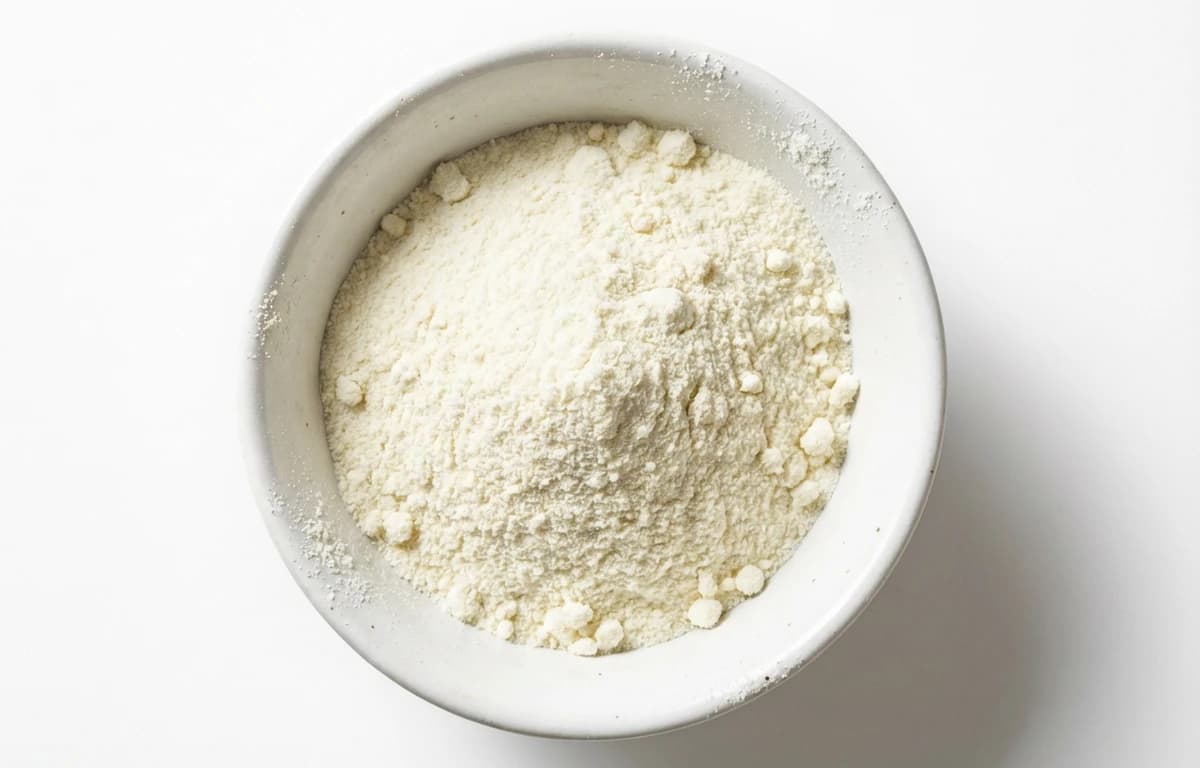
nonfat dry milk is a versatile ingredient found in cuisines around the world. With 362 calories per 100g and 36.16 grams of protein, it's a nutritious addition to many dishes.
Explore more ingredients in the dairy category with complete nutrition information.
View all dairy →Discover 0 recipes featuring nonfat dry milk with step-by-step instructions.
Browse recipes →When reconstituted, it tastes similar to regular nonfat milk, though some may detect a slightly sweeter or 'cooked' flavor. It's excellent for baking, making hot beverages, smoothies, sauces, and gravies, or as a protein booster in various dishes.
Nonfat dry milk should be stored in a cool, dry place, away from direct sunlight and moisture. An airtight container is ideal to prevent clumping and maintain freshness. Refrigeration is not necessary for the powdered form.
Unopened, nonfat dry milk can last for 1-2 years when stored properly. Once opened, it's best to use it within 3-6 months for optimal quality, though it may remain safe to consume for longer if kept in an airtight container. Reconstituted milk should be refrigerated and consumed within a few days, like fresh milk.
Yes, nonfat dry milk can often be used as a substitute for fresh milk, especially in baking and cooking. Reconstitute it according to package directions for liquid milk, or add the powder directly to dry ingredients in recipes where extra liquid is also added. It works well in recipes where the fat content of whole milk isn't critical.