
Loading...
Also known as:
Per 100g
Nutrition data source: USDA FoodData Central
Common measurement equivalents in grams
Yes, oat flour is highly nutritious, providing 13.1g of protein and 6.5g of healthy fats per 100g. It is rich in beta-glucan, a soluble fiber that supports heart health, and contains unique antioxidants called avenanthramides that have anti-inflammatory properties.
While oats are naturally gluten-free, they are often processed in facilities that handle wheat, barley, and rye. If you have celiac disease or a gluten sensitivity, you must look for oat flour specifically labeled as 'certified gluten-free' to avoid cross-contamination.
You can generally replace up to 25% of all-purpose flour with oat flour in most recipes for a nutritional boost. For a 100% substitution, you may need to add a binder like xanthan gum or extra eggs, as oat flour lacks the gluten necessary for structural rise.
Oat flour can be a helpful tool for weight loss because its high fiber content increases satiety, helping you feel full for longer. Its complex carbohydrates provide sustained energy, which can help prevent the blood sugar crashes that often lead to overeating.
Yes, oat flour is often recommended for diabetes management because its soluble fiber helps regulate blood sugar levels. It has a lower glycemic index than refined white flour, meaning it causes a slower, more gradual rise in blood glucose.
No, oat flour is not considered keto-friendly. With approximately 67.7g of carbohydrates per 100g, it is too high in carbs for a strict ketogenic diet, which typically limits daily carb intake to under 50g.
Oat flour should be stored in an airtight container in a cool, dry place, where it will last for about 3 months. Because it contains natural healthy fats that can spoil, storing it in the refrigerator or freezer can extend its shelf life to 6 months or more.
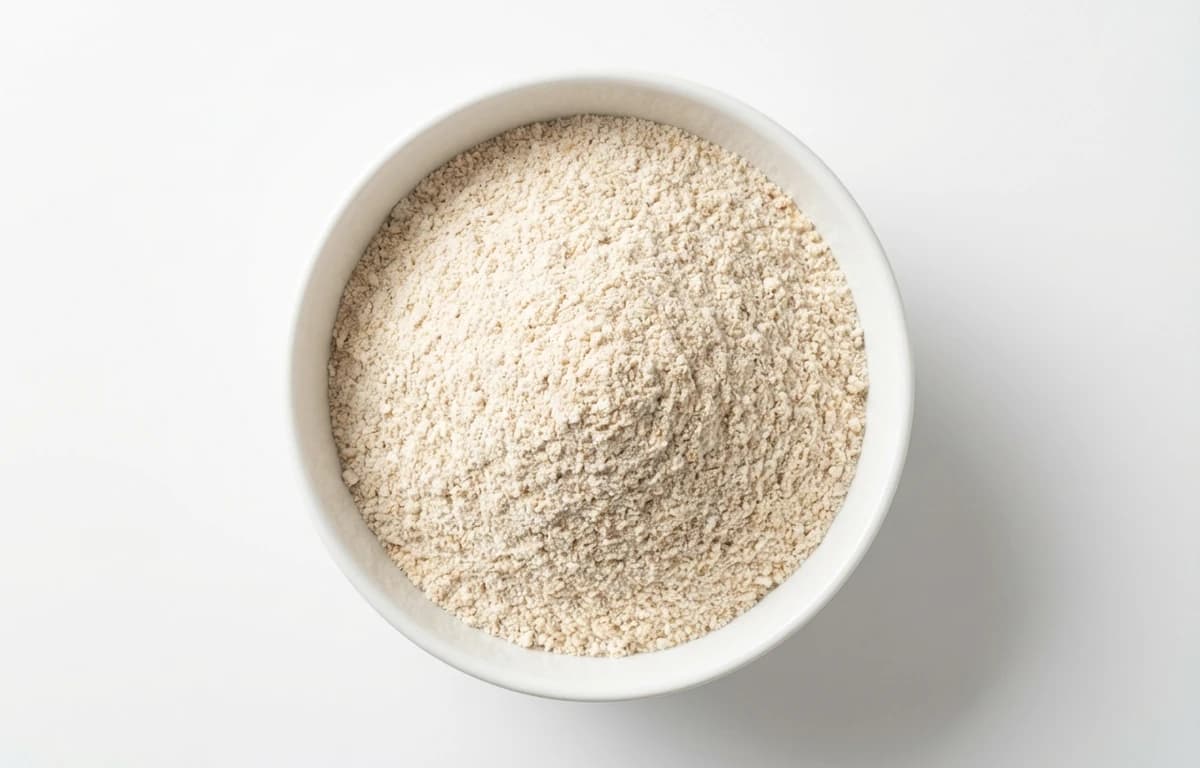
Oats Flour is a versatile ingredient found in cuisines around the world. With 389 calories per 100g and 13.1 grams of protein, it's a nutritious addition to many dishes.
Explore more ingredients in the grain category with complete nutrition information.
View all grain →Explore more ingredients similar to Oats Flour.
The most-searched ingredients on CraftMyMeals.
Oat flour has a mild, slightly sweet, and nutty flavor that is much more distinct than neutral all-purpose flour. It adds a pleasant richness and a slightly denser, chewier texture to baked goods like cookies and muffins.
Yes, you can easily make oat flour by placing rolled or quick oats into a high-speed blender or food processor. Pulse until the oats reach a fine, flour-like consistency; one cup of rolled oats typically yields about 3/4 cup of flour.
Yes, oat flour is a relatively high-protein grain flour, containing about 13.1g of protein per 100g. This makes it an excellent choice for those looking to increase their plant-based protein intake through baked goods or breakfast dishes.