Other1 recipes
octopus.
VegetarianVeganGluten-freeDairy-freeNut-freePeanut-freeSoy-freeEgg-freeShellfish-freeHoney-freeAlcohol-freeKosher
SERVING
CALORIES
80
PROTEIN
14.7g
CARBS
0g
FAT
1.1g
FIBER
0g
This ingredient is flagged as naturally gluten-free. Per 100 g, it provides 0.84 µg of vitamin K.
NUTRITION PROFILE · per 100 g
Everything in this ingredient.
MACRONUTRIENTS
Calories79.8kcal—
Protein14.7g29%
Carbohydrates0g0%
Fiber0g0%
Sugar0g0%
Total fat1.1g1%
Saturated fat0.33g2%
Trans fat0g—
Cholesterol118mg39%
Water80.5g—
MINERALS
Sodium230mg10%
Potassium181mg4%
Calcium22.1mg2%
Iron1.1mg6%
Magnesium50.9mg12%
Phosphorus131mg10%
Zinc4.1mg37%
Copper6.7mg747%
Manganese0.04mg2%
Selenium40.2µg73%
VITAMINS
Vitamin A28µg3%
Vitamin C0mg0%
Vitamin D0.67µg3%
Vitamin E0.66mg4%
Vitamin K0.84µg1%
Thiamin (B1)0.05mg4%
Riboflavin (B2)0.05mg4%
Niacin (B3)1.2mg7%
Pantothenic acid (B5)0.94mg19%
Vitamin B687.7mg5159%
Biotin (B7)2087µg6957%
Folate (B9)0µg0%
%DV based on a 2,000 cal diet. Source: USDA FoodData Central. A dash in the %DV column means there’s no established Daily Value for that nutrient.
MEASUREMENT CONVERSIONS
How much is what.
1 oz28.4g
1 lb453.6g
1 piece1000g
HEALTH BENEFITS
Why eat it.
- ✓Excellent source of lean protein, crucial for muscle repair and growth.
- ✓Rich in vitamin B12, which is essential for nerve function and the formation of red blood cells.
- ✓Contains taurine, an amino acid that may support cardiovascular health by helping to regulate blood pressure and cholesterol levels.
COOKING TIPS
In the kitchen.
- 1To achieve a tender texture, use either a very fast, high-heat cooking method (like grilling) or a long, slow, low-heat method (like braising or simmering).
- 2Blanching octopus in boiling water for 30-60 seconds before cooking helps to firm the skin and makes it easier to handle.
- 3Simmering with a wine cork is a traditional, though debated, method believed to help tenderize the meat.
- 4Marinating octopus in acidic ingredients like lemon juice or vinegar before cooking can help to break down tough connective tissues.
STORAGE
Keep it fresh.
- Store fresh, raw octopus in the coldest part of your refrigerator (below 40°F or 4°C) and cook within 1-2 days.
- For long-term storage, freeze octopus by wrapping it tightly in plastic wrap and placing it in a freezer-safe bag. It can be kept frozen for up to 3 months.
FAQ
Frequently asked questions.
How much protein and calories are in octopus?
100g of cooked octopus contains approximately 14.71g of protein and only 79.83 calories. This makes it a highly nutritious and low-energy-density food, ideal for those looking to increase protein intake without excessive calories.
Is octopus gluten-free?
Yes, plain octopus is naturally gluten-free. As a pure seafood product, it does not contain wheat, barley, or rye. However, always check ingredients if consuming prepared octopus dishes, as sauces or breading might contain gluten.
Is octopus keto-friendly?
Yes, octopus is highly keto-friendly. It contains 0g of carbohydrates per 100g, making it an excellent protein source for a ketogenic diet. Its low-fat content means you might need to add healthy fats when preparing it for a keto meal.
How do you cook octopus?
Octopus requires specific cooking methods to become tender. It's often simmered slowly in liquid for an extended period (1-2 hours) or pressure cooked to break down its tough connective tissues. It can then be grilled, pan-fried, or added to salads.
What does octopus taste like?
Octopus has a mild, slightly sweet, and briny flavor, often compared to calamari but with a firmer, chewier texture when properly cooked. It readily absorbs the flavors of marinades and cooking liquids, making it versatile in various cuisines.
How do you store octopus?
Fresh octopus should be stored in the coldest part of your refrigerator, ideally on ice, and consumed within 1-2 days. For longer storage, raw or cooked octopus can be frozen in an airtight container or vacuum-sealed for up to 3-6 months.
How do you know if octopus is fresh?
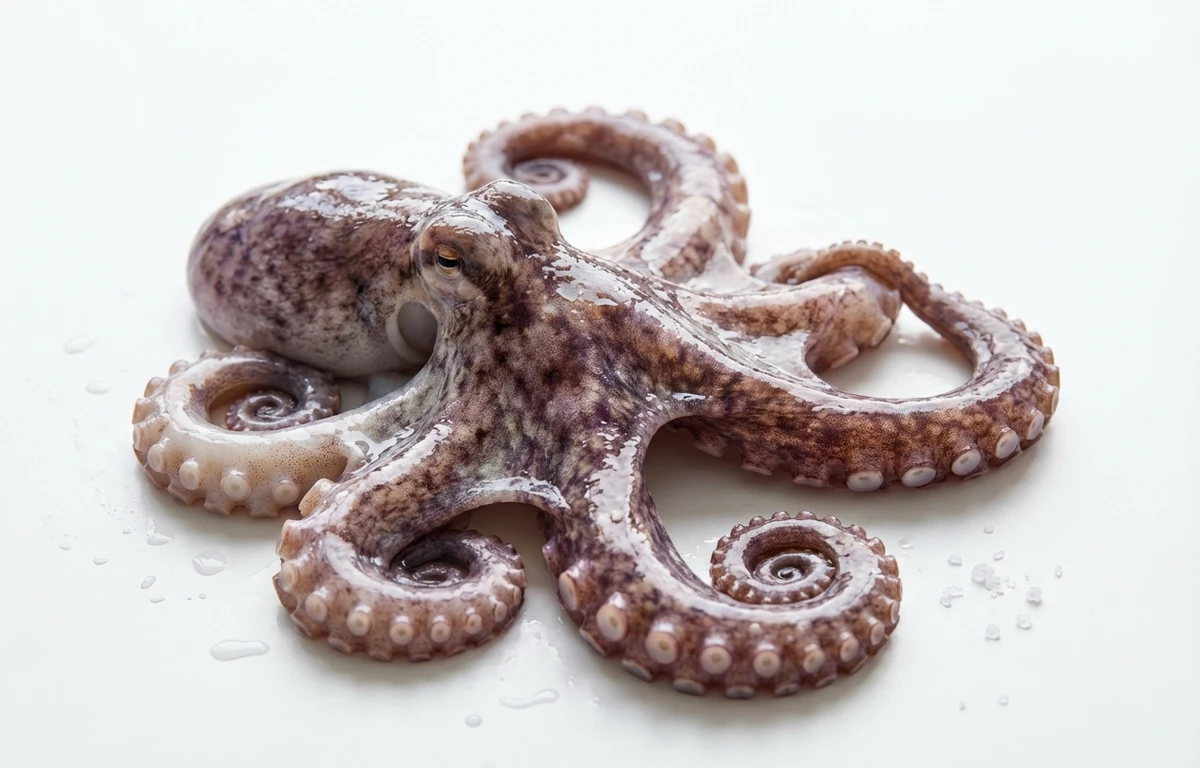
Fresh octopus should have a mild, clean, ocean-like smell, not a strong 'fishy' odor. Its skin should be moist and shiny, and the eyes should be clear and bright. Avoid octopus that looks slimy, discolored, or has a strong ammonia smell.
Can you eat octopus raw?
While some cuisines, like Japanese (sashimi), consume octopus raw, it's generally recommended to cook it to ensure tenderness and food safety. Raw octopus can be very chewy and may carry a higher risk of parasites or bacteria if not handled and sourced properly.
RECIPES
Cook with octopus.
1 recipes · sorted by what’s quick