
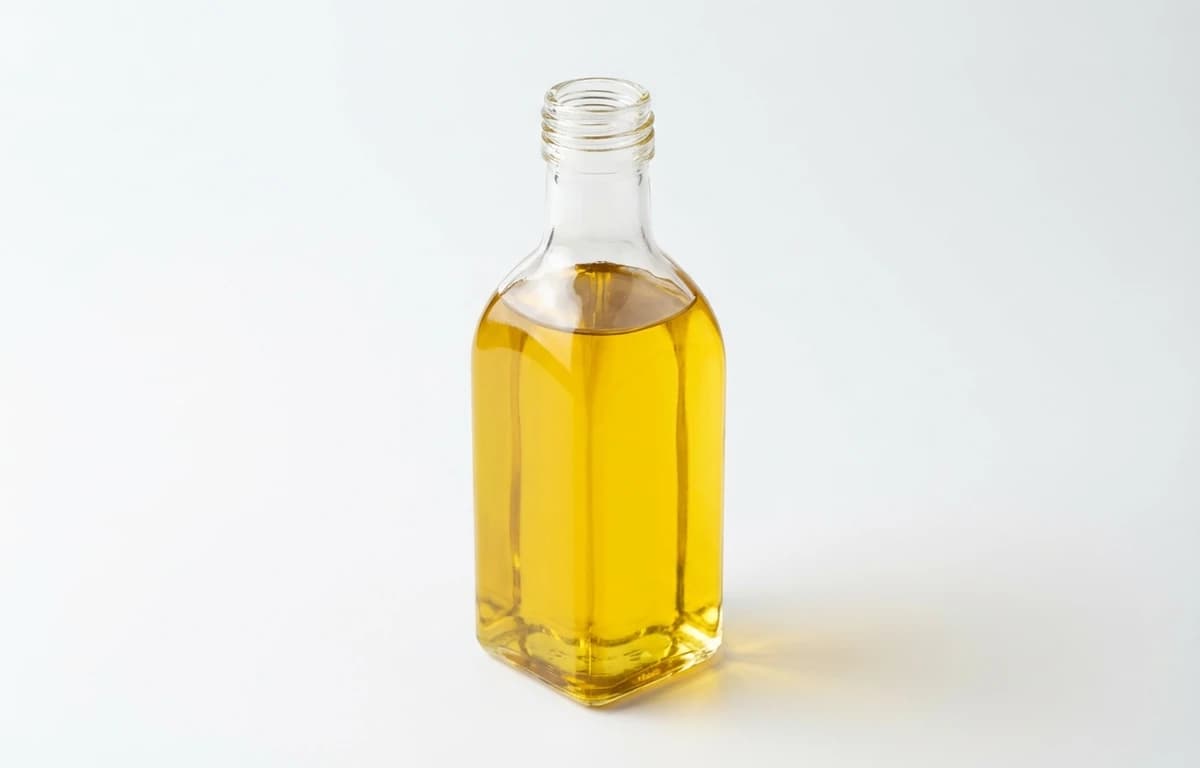
oil for frying
Also known as: frying oil, vegetable oil, cooking oil, deep frying oil
Loading...
Also known as: frying oil, vegetable oil, cooking oil, deep frying oil
Per 100g
Nutrition data source: USDA FoodData Central
Common measurement equivalents in grams
While oils provide essential fatty acids and aid in the absorption of fat-soluble vitamins, they are very calorie-dense. Excessive consumption, especially of oils high in saturated or trans fats, can contribute to weight gain and increase the risk of heart disease. Choosing oils high in monounsaturated fats, like canola or avocado oil, can be a healthier option.
Frying oil is pure fat, so 100g contains approximately 884 calories. A single tablespoon (about 14g) typically has around 120 calories. It's a concentrated energy source, so portion control is important when incorporating fried foods into your diet.
Oils provide a concentrated source of energy and essential fatty acids, such as omega-6 and sometimes omega-3, which are crucial for brain health and inflammation control. They also act as carriers for fat-soluble vitamins A, D, E, and K, aiding in their absorption. Oils high in monounsaturated fats can help lower bad LDL cholesterol.
Most common frying oils, such as vegetable, canola, sunflower, or olive oil, are plant-based and therefore vegan. However, some specialty oils or those used in commercial settings might be processed with animal products or used to fry non-vegan items, so always check labels or inquire if unsure.
Yes, pure oils are naturally gluten-free as they are derived from plants and do not contain wheat, barley, or rye. However, cross-contamination can occur in shared fryers where gluten-containing foods are also cooked, which is a concern for individuals with celiac disease or gluten sensitivity.
The best oils for frying have a high smoke point (above 375°F or 190°C) and a neutral flavor. Good options include canola oil, sunflower oil, peanut oil, grapeseed oil, and avocado oil. These oils can withstand high temperatures without breaking down and imparting off-flavors.
oil for frying is a versatile ingredient found in cuisines around the world. With 884 calories per 100g and valuable grams of protein, it's a nutritious addition to many dishes.
Explore more ingredients in the oil category with complete nutrition information.
View all oil →Discover 10 recipes featuring oil for frying with step-by-step instructions.
Browse recipes →Yes, frying oil can often be reused 2-3 times, sometimes more, depending on what was fried and the oil type. To reuse, strain the cooled oil through a fine-mesh sieve or cheesecloth to remove food particles, then store it in an airtight container in a cool, dark place. Discard if it smells rancid, darkens significantly, or foams excessively.
Store unused or cooled, strained frying oil in a cool, dark place away from direct sunlight and heat, such as a pantry or cupboard. Ensure the container is airtight to prevent oxidation and absorption of odors. Proper storage helps extend its shelf life and maintain quality.
Spoiled frying oil will develop a rancid, metallic, or sour smell. It may also appear darker, thicker, or cloudy, and produce excessive smoke or foam when heated. If you notice any of these signs, it's best to discard the oil to avoid off-flavors and potential health risks.
The smoke point is the temperature at which an oil begins to break down and produce visible smoke. It's crucial for frying because heating oil beyond its smoke point can create harmful compounds and impart an unpleasant flavor to food. Always choose oils with a high smoke point for deep frying to ensure food safety and quality.