
Other
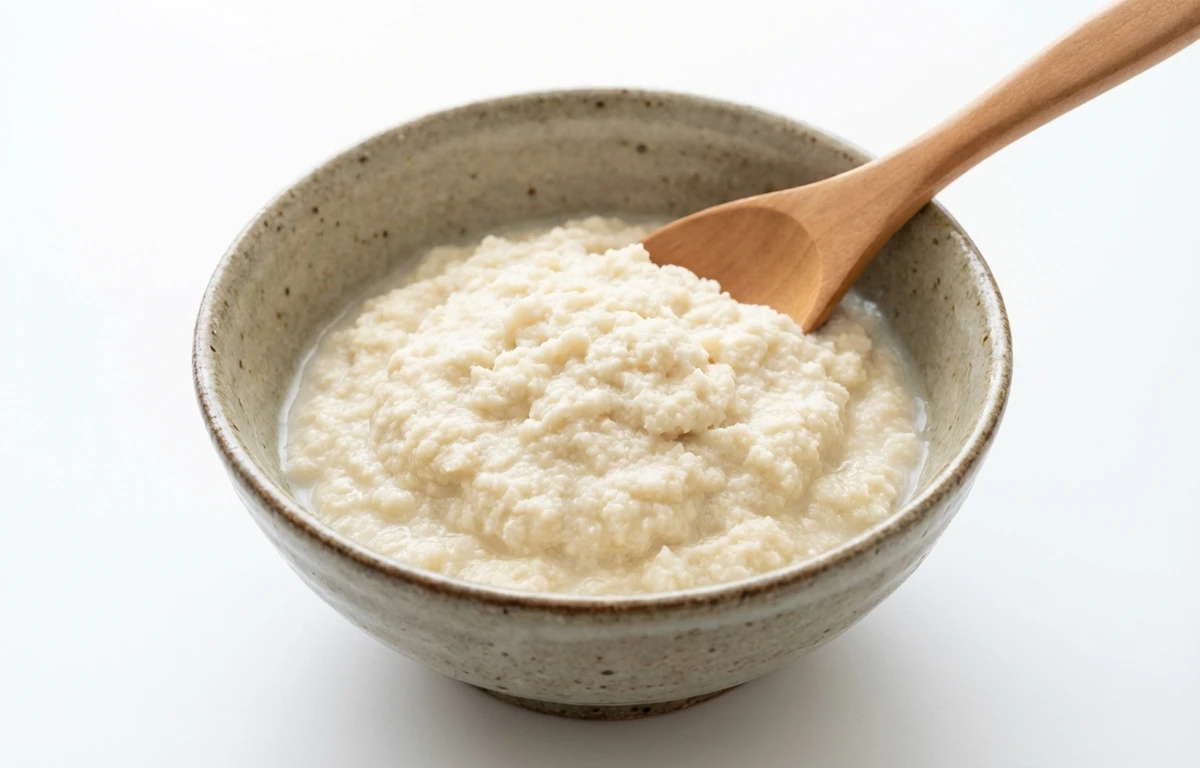
okara.
VegetarianVeganGluten-freeDairy-freeNut-freePeanut-freeSoy-freeEgg-freeShellfish-freeHoney-freeAlcohol-free
ALSO KNOWN AS
soy pulpsoybean pulp
SERVING
CALORIES
77
PROTEIN
3.2g
CARBS
12.5g
FAT
1.7g
FIBER
11.5g
This ingredient is flagged as naturally gluten-free. Per 100 g, it provides 0 µg of vitamin K.
NUTRITION PROFILE · per 100 g
Everything in this ingredient.
MACRONUTRIENTS
Calories77kcal—
Protein3.2g6%
Carbohydrates12.5g5%
Fiber11.5g41%
Sugar0.40g1%
Total fat1.7g2%
Saturated fat0.30g2%
Trans fat0g—
Cholesterol0mg0%
Water80g—
MINERALS
Sodium9.0mg0%
Potassium213mg5%
Calcium80mg6%
Iron1.3mg7%
Magnesium40mg10%
Phosphorus50mg4%
Zinc0.60mg5%
Copper0.10mg11%
Manganese0.50mg22%
Selenium0.50µg1%
VITAMINS
Vitamin A0µg0%
Vitamin C0mg0%
Vitamin D0µg0%
Vitamin E0.10mg1%
Vitamin K0µg0%
Thiamin (B1)0.02mg2%
Riboflavin (B2)0.02mg2%
Niacin (B3)0.10mg1%
Pantothenic acid (B5)0.10mg2%
Vitamin B60.05mg3%
Folate (B9)15µg4%
Vitamin B120µg0%
%DV based on a 2,000 cal diet. Source: USDA FoodData Central. A dash in the %DV column means there’s no established Daily Value for that nutrient.
MEASUREMENT CONVERSIONS
How much is what.
1 cup122g
1 tablespoon7.6g
1 teaspoon2.5g
1 ml0.5g
1 liter508.3g
HEALTH BENEFITS
Why eat it.
- ✓A good source of plant-based protein, containing all essential amino acids.
- ✓Provides essential minerals such as calcium, iron, and potassium.
COOKING TIPS
In the kitchen.
- 1Incorporate into baked goods like muffins, breads, and cookies to add moisture and boost fiber content, typically replacing up to 1/4 of the flour.
- 2Use as a binder and filler in vegan or vegetarian patties, meatballs, or croquettes for a tender texture.
- 3Sauté with finely chopped vegetables, dashi, soy sauce, and mirin to make a traditional Japanese side dish called 'Unohana'.
- 4Add to smoothies, soups, or stews as a thickener and to increase protein and fiber content.
STORAGE
Keep it fresh.
- Fresh okara is highly perishable. Store it in an airtight container in the refrigerator and use within 24-48 hours.
- For longer storage, freeze okara in portions in freezer-safe bags or containers for up to 6 months.
- Okara can be dehydrated in a low-temperature oven or a food dehydrator to create a shelf-stable flour. Store the dried okara powder in an airtight container in a cool, dark place.
FAQ
Frequently asked questions.
What is okara?
Okara is the pulp leftover from the production of soy milk and tofu. It's a fibrous, moist byproduct of soybeans, often considered a superfood due to its rich nutritional profile, particularly its high fiber content.
How much protein and fiber are in okara?
Per 100g, okara contains approximately 3.2g of protein. Its most notable feature is its extremely high fiber content, though the exact amount can vary, it's primarily insoluble fiber which is excellent for digestive health.
How can I use okara in cooking?
Okara has a neutral flavor and can be incorporated into many dishes. It's often used as a binder or filler in veggie burgers, meatballs, and baked goods like muffins and breads. It can also be added to soups, stews, or used to make savory crumbles and 'meat' substitutes.
What does okara taste like?
Okara has a very mild, slightly nutty, and neutral flavor. Its texture is somewhat crumbly and moist. This neutral profile makes it highly versatile, as it readily absorbs the flavors of other ingredients in a dish without overpowering them.
How should I store okara?
Fresh okara is highly perishable and should be stored in an airtight container in the refrigerator for no more than 2-3 days. For longer storage, okara can be frozen for several months. You can also dry it in an oven or dehydrator to create a shelf-stable flour.
Is okara keto-friendly or low-carb?
While okara is relatively low in fat and calories, it contains about 12.5g of carbohydrates per 100g. A significant portion of these carbs is fiber, which doesn't impact net carbs. Depending on your specific keto or low-carb goals, it can be used in moderation, especially if focusing on net carbs.



















