
Vegetable10 recipes
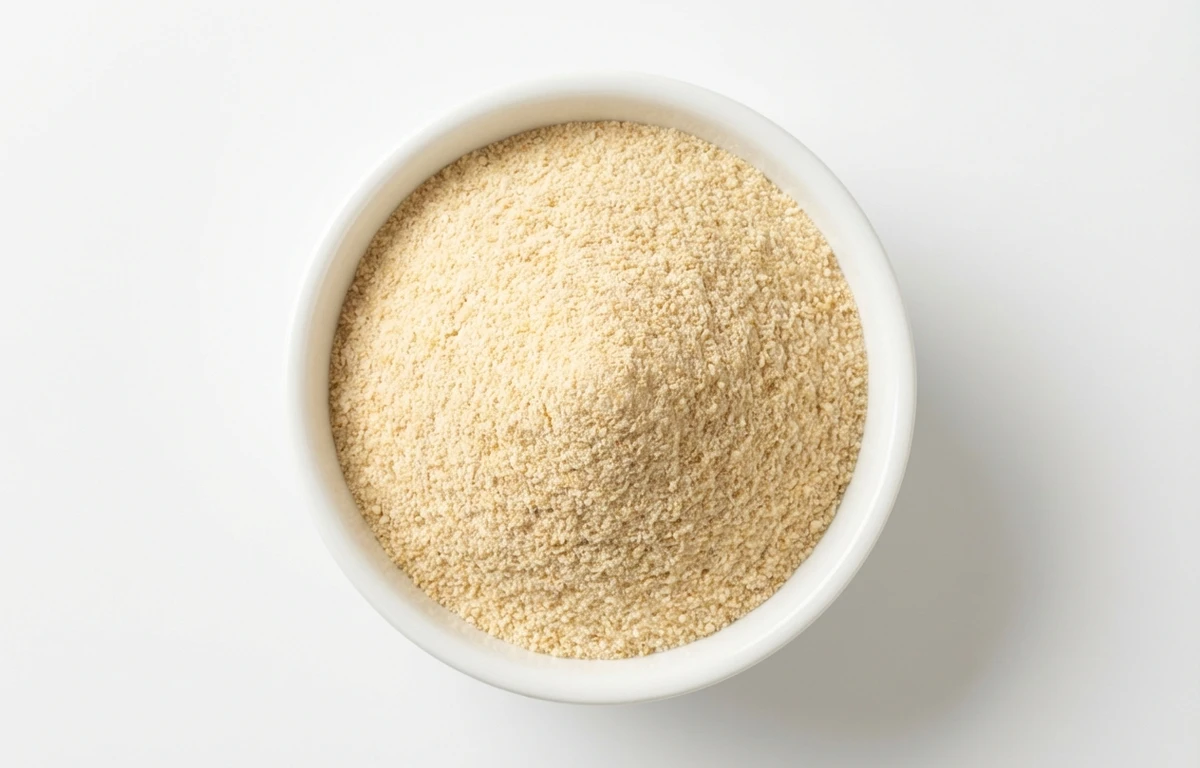
onion powder.
VegetarianVeganGluten-freeDairy-freeNut-freePeanut-freeSoy-freeEgg-freeShellfish-freeHoney-freeAlcohol-free
ALSO KNOWN AS
dried onion powderground onionpyaj powdervengaya podidehydrated onion powder
SERVING
CALORIES
341
PROTEIN
10.1g
CARBS
79.1g
FAT
1.0g
FIBER
15.2g
This ingredient is flagged as naturally gluten-free. Per 100 g, it provides 0.40 µg of vitamin K.
NUTRITION PROFILE · per 100 g
Everything in this ingredient.
MACRONUTRIENTS
Calories341kcal—
Protein10.1g20%
Carbohydrates79.1g29%
Fiber15.2g54%
Sugar35.4g71%
Total fat1.0g1%
Saturated fat0.20g1%
Trans fat0g—
Cholesterol0mg0%
Water5.2g—
MINERALS
Sodium73mg3%
Potassium985mg21%
Calcium384mg30%
Iron3.9mg22%
Magnesium82mg20%
Phosphorus322mg26%
Zinc2.0mg18%
Copper0.40mg44%
Manganese0.60mg26%
Selenium15.5µg28%
VITAMINS
Vitamin A0µg0%
Vitamin C21mg23%
Vitamin D0µg0%
Vitamin E0.20mg1%
Vitamin K0.40µg0%
Thiamin (B1)0.40mg33%
Riboflavin (B2)0.10mg8%
Niacin (B3)1.2mg8%
Pantothenic acid (B5)0.60mg12%
Vitamin B61.6mg94%
Folate (B9)109µg27%
Vitamin B120µg0%
%DV based on a 2,000 cal diet. Source: USDA FoodData Central. A dash in the %DV column means there’s no established Daily Value for that nutrient.
MEASUREMENT CONVERSIONS
How much is what.
1 cup115g
1 tablespoon7.2g
1 teaspoon2.4g
1 oz28.4g
1 lb453.6g
1 ml0.6g
1 liter550g
HEALTH BENEFITS
Why eat it.
- ✓Contains potassium which supports heart health
- ✓Provides a concentrated source of dietary fiber
- ✓Low in calories compared to many flavor enhancers
COOKING TIPS
In the kitchen.
- 1Use 1 tablespoon of onion powder to replace one medium fresh onion
- 2Mix into dry rubs for meats or vegetables for even flavor distribution
- 3Add to soups or sauces at the end of cooking for a quick flavor boost
STORAGE
Keep it fresh.
- Store in a cool, dark, and dry place to prevent clumping
- Keep in an airtight container to maintain flavor potency
- Avoid measuring directly over a steaming pot to prevent moisture entry
FAQ
Frequently asked questions.
How long does onion powder last?
When stored in a cool, dry place, onion powder typically maintains its best quality for 1 to 2 years.
How do I know if onion powder has gone bad?
If the powder has lost its aroma, changed color significantly, or developed a hard, brick-like texture that won't break apart, it should be replaced.
What is the best substitute for onion powder?
The best substitute is onion salt (reduce other salt in the recipe) or finely minced fresh onions (1 medium onion = 1 tablespoon powder).
Can I use onion powder instead of fresh onions?
Yes, it is a great substitute for flavor, though it won't provide the same texture or bulk as fresh onions.
Why does my onion powder keep clumping?
Onion powder is highly hygroscopic, meaning it absorbs moisture from the air. Ensure the lid is tight and store it away from the stove.
Is onion powder gluten-free?
Pure onion powder is naturally gluten-free, but always check the label for anti-caking agents or cross-contamination warnings.
How much onion powder should I use for one onion?
A general rule is 1 tablespoon of onion powder for every one medium-sized fresh onion.
Is onion powder considered a root vegetable product?
Yes, since it is made from dehydrated onions, which are bulb/root vegetables, it is classified as such.
RECIPES
Cook with onion powder.
10 recipes · sorted by what’s quick



















